










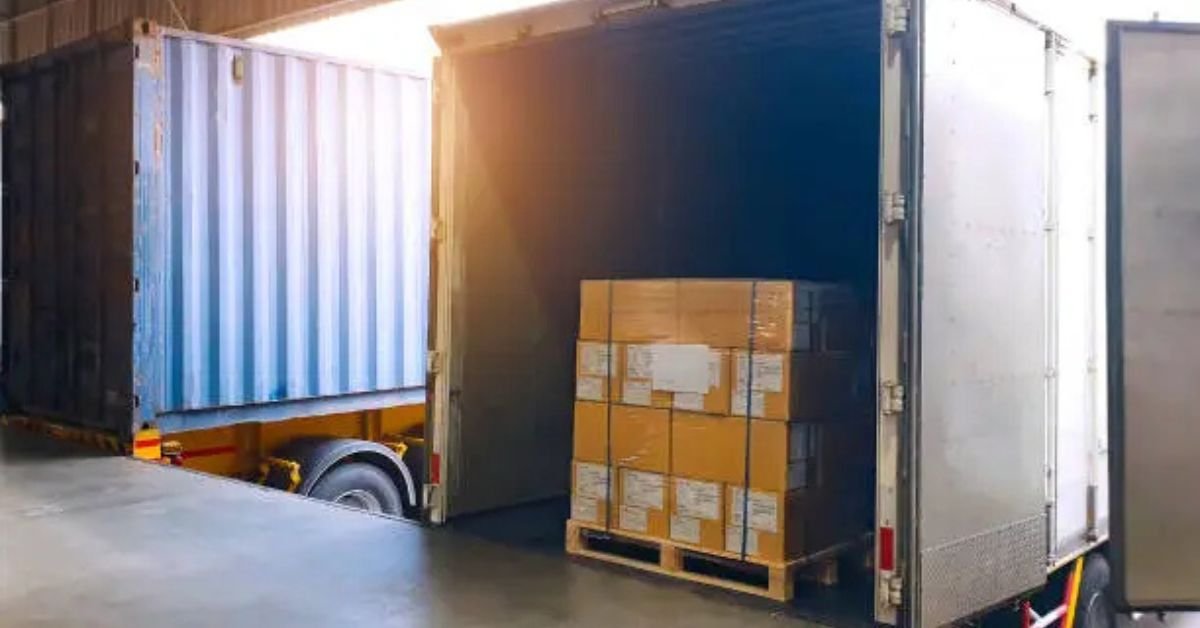
Freight consolidation in less-than-truckload operations relies on coordinated handling, timing, and accurate data to move shipments efficiently without unnecessary delays. Each shipment passes through multiple touchpoints where sorting, scanning, and routing decisions determine how quickly cargo reaches the next stage in the network. To avoid delays, carriers depend on synchronized terminals, consistent communication, and predictive planning that aligns incoming freight with outbound capacity.
This structured coordination helps maintain steady movement across hubs while reducing idle time between transfer points in regional and cross-border networks. Such alignment improves reliability across the entire delivery chain, supporting faster and more predictable freight flow.
Key Consolidation Steps Ahead
- Terminal Sorting and Coordination
Consolidation terminals serve as central points where incoming shipments are grouped according to destination, timing, and available transport capacity. These facilities rely on scanning systems and routing software that assign freight to the correct outbound lanes, ensuring minimal idle storage time. Workflows inside terminals are designed to keep cargo moving continuously from arrival docks to staging areas and then onto departing vehicles. This reduces congestion and helps maintain predictable transfer cycles throughout the day, even during peak shipping periods. Coordination between dock teams and dispatch planners ensures that incoming freight is matched with outgoing routes in real time.
When volume fluctuates, carriers adjust labor allocation and equipment usage to maintain steady throughput across all lanes. Data from previous movements helps refine scheduling decisions and reduce bottlenecks in future cycles. This continuous adjustment supports smoother integration of shipments across multiple origin points, ultimately improving flow stability across networks.
- Route Planning and Freight Pairing
Synchronized route planning allows carriers to match partial loads heading in similar directions, reducing unnecessary waiting time between pickup and departure. Modern networks also integrate digital tracking tools that improve visibility across shipments, and in some corridors LTL Shipping in Canada benefits from cross-dock efficiency between regional hubs. Efficient pairing of freight loads depends on accurate forecasting of shipment volumes and destination clusters across distribution centers. This process reduces empty space within trailers and helps maintain consistent movement between hubs.
Coordination between planning teams and terminal operators ensures that freight arrives in batches that align with outbound schedules. This reduces idle dwell time and supports faster transitions through consolidation points. Advanced routing logic helps anticipate delays and reroute shipments when congestion appears. As a result, carriers maintain a smoother flow across interconnected freight corridors, ensuring predictable delivery sequences for downstream handling processes each day.
- Real-Time Visibility Systems
Real-time tracking systems allow carriers to monitor freight movement from pickup to final transfer points across multiple terminals. These systems reduce uncertainty by providing continuous updates that help teams adjust routing decisions as conditions change. Integration of GPS data and warehouse scanning improves accuracy in load assignment and transfer scheduling. Terminal operators use dashboards that display incoming and outgoing freight volumes in real time. This allows faster decision-making during peak processing hours and reduces congestion within hubs. Communication among drivers, dispatchers, and warehouse teams ensures alignment at each stage of the movement process. Predictive tools analyze historical flow patterns to anticipate surges and allocate resources effectively.
This reduces the risk of backlog formation in sorting centers. Cross-functional coordination supports consistent movement through interconnected freight routes. Even when demand shifts unexpectedly, systems adapt routing decisions in near real time. This ensures stability across fluctuating shipping environments, supporting steady delivery outcomes throughout networks daily.
- Cross-Docking and Timing Windows
Cross-docking operations minimize storage time by moving freight directly between inbound and outbound transport modes. This approach depends on precise timing windows that ensure shipments arrive when outbound capacity is available. Coordinated scheduling between carriers and terminal staff significantly reduces idle dwell time. Freight is rapidly sorted and redirected to connecting routes without unnecessary delays. Data-driven planning ensures that capacity is balanced across all outbound lanes. Terminal visibility tools track each shipment’s progress and adjust handling priorities when needed. This reduces congestion during peak arrival periods and supports smoother transitions between processing stages.
Improved coordination between dock workers and dispatch teams improves consistency in throughput. Freight allocation systems group shipments according to destination clusters and urgency levels. This supports predictable flow across interconnected transport corridors even under high-volume conditions. Reducing idle time remains a key operational focus. It improves reliability across the network and supports customer expectations consistently through systems today.
- Warehouse and Labor Alignment
Warehouse coordination plays a central role in ensuring freight consolidation progresses without interruptions. Labor scheduling is aligned with arrival patterns to prevent bottlenecks at receiving docks. Teams are assigned based on anticipated volume flows and operational priorities. This allows smoother movement of freight from unloading zones to sorting areas. Technology supports real-time adjustments in staffing levels during fluctuating demand cycles. Communication tools help maintain alignment between supervisors and dock personnel. This reduces idle time and ensures shipments are processed in sequence. Predictive scheduling improves coordination between inbound and outbound freight cycles.
Managers monitor workflow efficiency using real-time performance dashboards. These insights guide resource allocation decisions. Load balancing across shifts helps maintain steady throughput. Even when disruptions occur, contingency plans support continuity of movement. Dock efficiency improves through better coordination between teams. This helps maintain predictable transfer cycles across all facilities, ensuring a steady flow throughout the network daily in real time now.
- Delay Prevention and Predictive Control
Predictive systems help carriers anticipate potential delays before they impact freight movement. These systems analyze traffic conditions, weather patterns, and terminal congestion levels. Routing adjustments are made dynamically to maintain a steady flow across networks. Communication between all stakeholders ensures coordinated responses to disruptions. This reduces the chance of accumulation at key transfer points. Digital dashboards provide real-time insight into freight movement and capacity availability. Labor and equipment resources are adjusted in response to predicted demand spikes. This helps reduce idle time across sorting and transfer facilities. Cross-terminal synchronization improves overall network stability. Even under pressure, systems maintain flow consistency.
Forecasting tools enhance scheduling accuracy. This reduces missed connections between freight stages. It also improves handling speed at consolidation hubs. Maintaining visibility across the network supports faster response times. This ensures smoother transitions throughout logistics chains. Reducing delays remains a constant priority across all operations globally in practice, every day, always on time.
Freight consolidation in less-than-truckload networks depends on timing, coordination, and continuous visibility across all operational stages. When these elements work together, carriers can move shipments through hubs with minimal delay and consistent flow. Integrated systems and coordinated labor planning help reduce bottlenecks and improve transfer efficiency. Predictive tools further enhance routing decisions and scheduling accuracy.
This allows freight to move steadily across interconnected networks. Reducing idle time at consolidation points remains essential for maintaining efficiency. It also supports predictable delivery outcomes for customers across various regions, daily operations in modern logistics, and continuous system improvement through technology and coordination today.