








Introduction
A roof is one of the most important components of any home, serving as the first line of defense against weather, environmental conditions, and daily wear. While many homeowners focus on interior upgrades and landscaping improvements, the roof often goes unnoticed until a problem develops. However, maintaining a durable and properly installed roofing system is critical for protecting the structure, preserving property value, and ensuring long-term comfort and safety.
Modern roofing systems are designed to provide much more than simple protection from rain and sunlight. They contribute to energy efficiency, improve curb appeal, support structural integrity, and help regulate indoor temperatures throughout the year. A well-maintained roof can last for decades, while a neglected one may lead to expensive repairs, water damage, and reduced property value.
Understanding the importance of residential roofing, the materials available, the installation process, and proper maintenance practices can help homeowners make informed decisions that benefit their property for many years.
The Importance of a Reliable Roofing System
Every part of a home relies on the roof for protection. The roofing system shields the structure from rain, snow, wind, heat, and other environmental factors that could otherwise cause significant damage. Without a properly functioning roof, moisture can infiltrate walls, ceilings, insulation, and structural components, leading to costly repairs and potential health concerns.
A reliable roof also contributes to overall energy efficiency. Modern roofing materials are designed to reflect heat, improve insulation performance, and reduce energy consumption. This helps homeowners maintain comfortable indoor temperatures while lowering utility costs.
In addition to protection and efficiency, roofing plays a major role in a home’s visual appeal. A clean, attractive roof enhances the overall appearance of the property and creates a positive impression for visitors and potential buyers.
Understanding the Components of a Roofing System
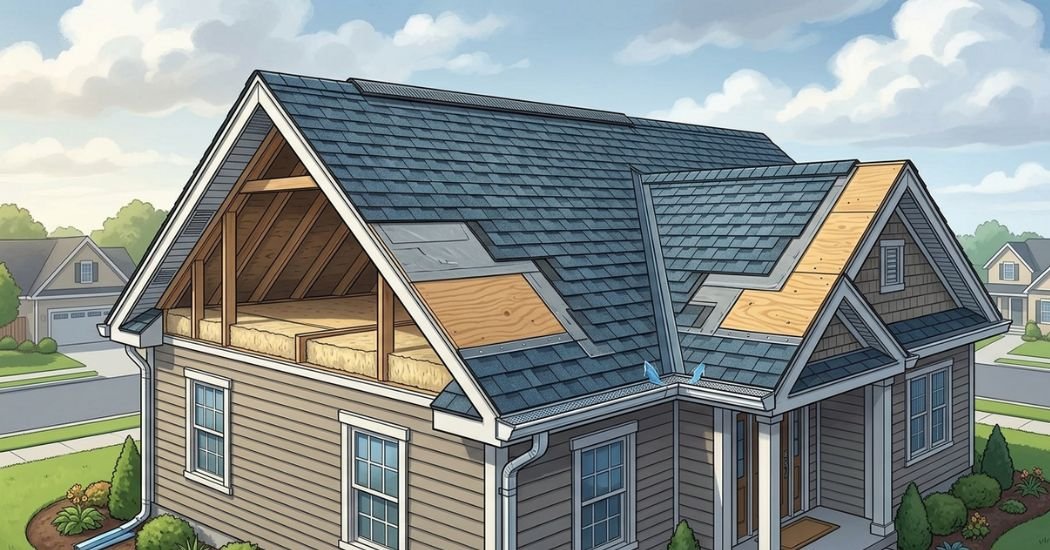
Many homeowners think of roofing as simply the shingles visible from the ground, but a roofing system consists of several layers working together to provide protection and performance. These components include roof decking, underlayment, flashing, ventilation systems, and the outer roofing material.
The roof deck serves as the structural foundation. Underlayment provides an additional moisture barrier beneath the visible roofing material. Flashing helps prevent water intrusion around vulnerable areas such as chimneys, vents, and valleys.
Ventilation systems allow air to circulate through the attic, reducing moisture buildup and helping regulate temperature. The outer roofing material serves as the primary protective layer against environmental exposure.
Each component plays a crucial role in the overall effectiveness and longevity of the roofing system.
Popular Roofing Materials for Homes
Homeowners today have access to a wide variety of roofing materials, each offering unique benefits in terms of durability, appearance, and cost. Asphalt shingles remain one of the most popular options due to their affordability, versatility, and ease of installation.
Metal roofing has gained popularity because of its exceptional durability, energy efficiency, and modern appearance. Tile roofing offers a distinctive look and excellent longevity, while slate roofing is known for its premium appearance and remarkable lifespan.
Wood shingles and shakes provide natural beauty and character, although they typically require more maintenance than other materials. Synthetic roofing products have also become increasingly popular, offering the appearance of traditional materials with enhanced durability and reduced maintenance requirements.
Selecting the right roofing material depends on factors such as budget, aesthetic preferences, climate considerations, and long-term maintenance expectations.
Signs That a Roof May Need Attention
Recognizing early warning signs of roofing problems can help homeowners address issues before they become major expenses. One of the most obvious indicators is missing, cracked, or curling shingles. These issues often suggest that the roofing material is reaching the end of its useful life or has been damaged by weather conditions.
Water stains on ceilings or walls may indicate roof leaks that require immediate attention. Sagging areas, excessive granule loss, and damaged flashing are additional signs that the roof may need repair or replacement.
Increased energy bills can also be linked to roofing issues, particularly if ventilation or insulation performance has been compromised. Regular inspections help identify these concerns early and prevent further damage.
The Roof Installation Process
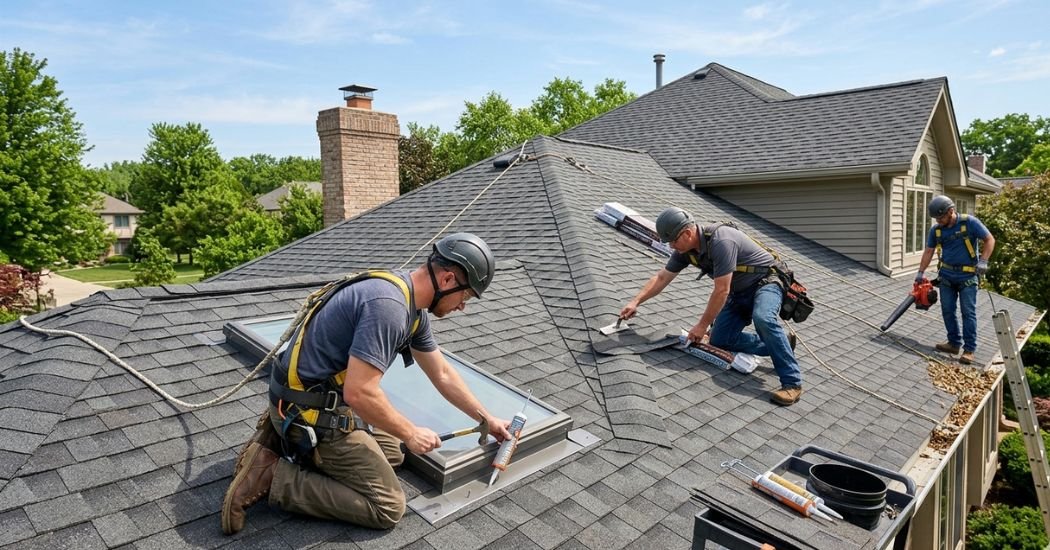
Professional roof installation involves much more than simply attaching shingles to a structure. The process begins with a comprehensive evaluation of the existing roof and underlying structure. Contractors assess the condition of the decking, ventilation system, and other critical components before developing an installation plan.
Old roofing materials are removed when necessary, allowing professionals to inspect the roof deck and make any required repairs. Underlayment and moisture barriers are then installed to enhance protection against water intrusion.
The selected roofing material is carefully applied according to manufacturer specifications and industry best practices. Flashing, ventilation components, and finishing details are completed to ensure optimal performance and durability.
Proper installation is essential for maximizing the lifespan and effectiveness of the roofing system.
Benefits of Professional Roofing Services
Professional roofing services provide numerous advantages compared to attempting roofing work without proper training or experience. Experienced roofing professionals understand building codes, safety requirements, and installation techniques that contribute to successful outcomes.
Professionals also have access to specialized equipment and high-quality materials that may not be readily available to homeowners. Their expertise helps ensure accurate installation, efficient project completion, and long-term reliability.
For homeowners seeking dependable protection and quality craftsmanship, Residential Roofing services provide valuable expertise that helps safeguard one of the home’s most important structural components.
Energy Efficiency and Modern Roofing
Energy efficiency has become an increasingly important consideration in residential construction and renovation. Modern roofing systems are designed to contribute to overall energy performance by reducing heat transfer and improving insulation effectiveness.
Reflective roofing materials can help reduce heat absorption during warmer months, while proper ventilation minimizes temperature extremes in attic spaces. These features help maintain more consistent indoor temperatures and reduce strain on heating and cooling systems.
As a result, homeowners often experience lower utility bills and greater comfort throughout the year.
The Importance of Routine Roof Maintenance
Routine maintenance is one of the most effective ways to extend the lifespan of a roofing system. Regular inspections help identify minor issues before they develop into significant problems. Cleaning debris from gutters and roof surfaces prevents water accumulation and reduces the risk of damage.
Homeowners should periodically check for signs of wear, damaged shingles, and clogged drainage systems. Professional inspections can provide a more comprehensive assessment and identify hidden issues that may not be immediately visible.
Consistent maintenance helps preserve roofing performance, protect property value, and reduce long-term repair costs.
Common Causes of Roof Damage
Roofs face a variety of challenges throughout their lifespan. Severe weather events such as high winds, hail, heavy rain, and snow can cause immediate damage. Prolonged exposure to sunlight and temperature fluctuations gradually contributes to material deterioration.
Improper installation, poor ventilation, and neglected maintenance can also accelerate wear and reduce roof longevity. Tree branches, debris accumulation, and pest activity may create additional concerns if not addressed promptly.
Understanding these risks allows homeowners to take proactive measures that help protect their investment.
Roofing and Property Value
A well-maintained roof significantly contributes to property value and marketability. Prospective buyers often view the condition of the roof as an indicator of overall home maintenance. A newer or professionally maintained roof can increase buyer confidence and reduce concerns about future repair expenses.
In addition to improving resale potential, quality roofing enhances curb appeal and contributes to the home’s overall appearance. These benefits make roofing one of the most valuable investments homeowners can make.
Long-Term Financial Benefits of Quality Roofing
Although roofing projects represent a substantial investment, they often provide significant long-term financial benefits. Durable materials, professional installation, and routine maintenance help reduce repair expenses and extend system lifespan.
Improved energy efficiency can lower utility costs, while enhanced protection reduces the risk of expensive water damage and structural repairs. A reliable roof also contributes to greater peace of mind by minimizing the likelihood of unexpected problems.
For many homeowners, investing in professional roofing services ultimately proves more cost-effective than repeatedly addressing preventable issues.
Choosing the Right Roofing Professional
Selecting the right contractor is one of the most important decisions in any roofing project. Homeowners should seek experienced professionals with strong reputations, proper licensing, and a commitment to quality workmanship.
A qualified contractor will provide detailed assessments, clear communication, and transparent project planning. They will also use quality materials and follow industry best practices throughout the installation or repair process.
When evaluating roofing options, many homeowners turn to trusted providers of Residential Roofing in Montclair, NJ because of the value that professional expertise brings to the project.
Conclusion
A home’s roof plays a vital role in protecting the structure, enhancing energy efficiency, and maintaining property value. From shielding against harsh weather conditions to contributing to visual appeal, the roofing system is one of the most important investments a homeowner can make.
Understanding roofing materials, recognizing signs of damage, prioritizing maintenance, and working with experienced professionals all contribute to long-term performance and reliability. Proper installation and ongoing care help ensure that the roof continues to provide dependable protection for many years.
For homeowners seeking durability, efficiency, and lasting value, Residential Roofing remains an essential service that supports both the beauty and functionality of the home. By investing in quality roofing solutions today, homeowners can enjoy greater comfort, protection, and peace of mind well into the future.