










Introduction
A new paradigm is emerging: servantful leadership, in a society where traditional leadership frequently places an emphasis on power and authority. What it means to lead is turned on its head by this novel technique. Its leaders put the needs of their team members before their own, rather than trying to motivate others to reach individual goals. But what is the true significance of this? What changes may be made to entire communities by embracing a servantful attitude? Explore the meaning of being servantful and learn how it affects people and society as a whole.
The Definition of Servantful and How It Differs from Other Leadership Styles
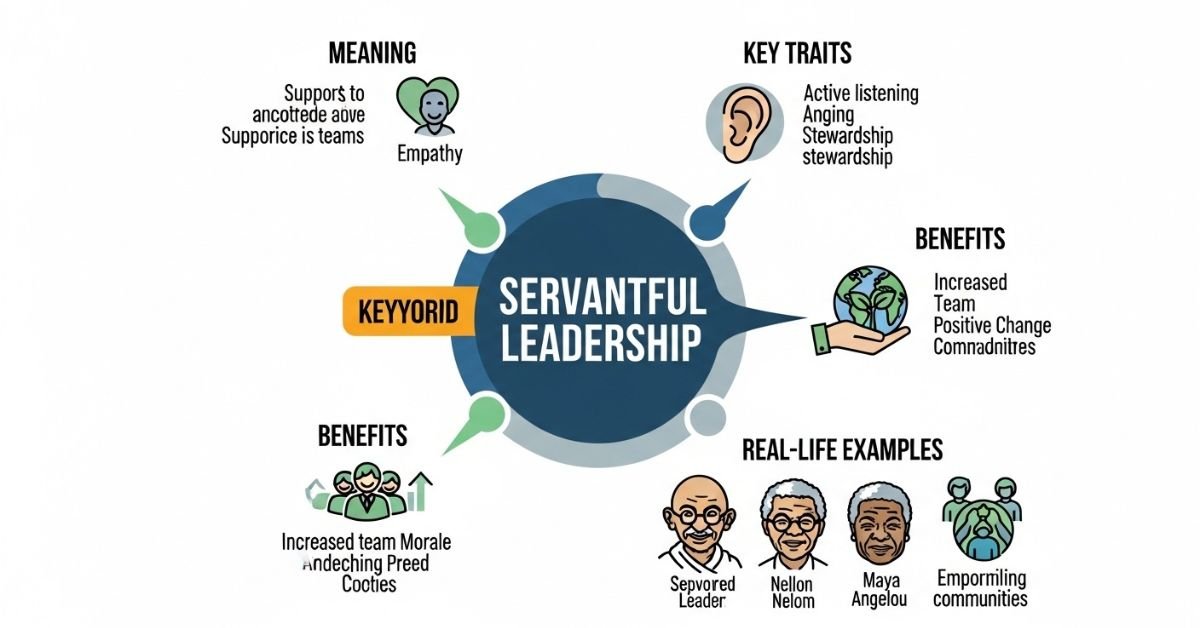
The emphasis of servant leadership is on helping others rather than establishing one’s own power. It promotes a culture of mutual aid and self-determination by putting team members first.
Rather of focusing on control and hierarchy, the leaders of this style prioritise the needs of their followers. In addition to carefully listening, they promote teamwork. Building trust and loyalty among team members is the goal of this method.
Leaders that are servantful focus on building relationships rather than transactions, which are frequently based on rewards and punishments. They motivate others not with material incentives but with compassion and understanding.
Servantful leadership fosters a sense of value in others by emphasising connections over power dynamics. Teams experience an uptick in morale and output as a result.
Characteristics of a Servantful Leader
The leaders of this group are unique in many ways. Their strategy is centred around empathy. By getting to know each team member and their unique story, they form strong bonds with them.
A second important trait is modesty. Rather than letting their egos get in the way, these leaders put the needs of their followers first. As a result, everyone feels respected and heard.
Another quality of servantful leadership is active listening. These leaders aren’t shy about asking questions or offering suggestions; they jump right in and demonstrate that they care about the other person’s perspective.
Servantful leaders are also guided by strong ethical ideals. Their decisions demonstrate a strong sense of responsibility and honesty, which helps to build trust among colleagues.
People around them are inspired by their commitment to personal progress. Every member of a servant leader’s team, not only themselves, should be encouraged to pursue lifelong learning.
Benefits of Adopting a Servantful Leadership Style
There are many benefits for organisations that adopt a servantful leadership approach. The improvement of team morale is one major advantage. Leadership that puts team members’ needs first creates an environment where everyone feels valued and trusted.
This method also promotes teamwork. Members of a team are more likely to speak their minds when they see their leader as having their back. Because of this, the group’s capacity for innovation and creativity grows.
Plus, the company’s executives are known to form close bonds with its staff. As a result of feeling appreciated and understood in their positions, this relationship has the potential to increase retention rates.
Enhanced performance results are an additional major perk. When workers have agency over their work, they are more likely to go the extra mile, which benefits the company as a whole.
Community participation can be enhanced by adopting this leadership style. The influence of servant-leaders goes much beyond the four walls of an organization because they motivate their followers to give back.
Real Life Examples of Servantful Leaders and Their Impact
Howard Schultz, the former Starbucks CEO, is an outstanding example of a servantful leader. He established healthcare and education programs for employees and put their well-being ahead of profit. Staff loyalty and customer service were both boosted by this method.
Gandhiji is another one of my heroes. The nonviolence and social justice he championed were clear manifestations of his desire to help people. Society in India was changed by him because he gave voice to the voiceless.
Through her charitable work, Oprah Winfrey is an example of servantful leadership. She shows that the key to success is helping other people succeed by funding educational programs that help underprivileged youngsters.
These leaders show how adopting a servantful attitude fosters not only organisational progress but also long-term, beneficial change in society. Their lasting legacies serve as a reminder that prioritising people can have far-reaching consequences that extend beyond specific organisations or social movements.
How to Become a More Servantful Leader
Self-awareness is the first step in becoming a more servantful leader. Think about what drives you and what you hold dear. If you want to live by the ideals of servant leadership, you need to know what motivates you.
Truly hear what your team has to say. Trust is built and avenues for candid criticism are opened through attentive listening. Get people talking in a way that makes them feel respected and comfortable.
Give other people a sense of agency by giving them tasks to do. Giving your team members decision-making authority increases their self-assurance and competence.
Show compassion in all your dealings. Try to see things from other people’s points of view and experience the difficulties they face firsthand.
Volunteering should be a top priority. To further the idea that genuine leadership is about putting other people’s needs before your own, become involved in projects that help others around you.
Conclusion: The Power of Servantful Leadership in Creating Positive Change
Beyond the accomplishment of any one person, the influence of servantful leadership is profound. It promotes an environment where teamwork is encouraged and individuals are given the autonomy they need to succeed. Within organisations, this method fosters trust and strengthens connections.
When leaders put the needs of their followers first, they foster an atmosphere that is ideal for new ideas and progress. Motivated, engaged, and dedicated workers are more likely to have a supportive boss. This means less employee churn and more productivity for companies.
Evidence from the real world demonstrates that servantful leaders also bring about significant change in their own communities. By prioritising people, they encourage others to do the same in their personal and professional life.
It has far-reaching, life-altering effects to adopt the principles of servantful leadership. The foundation for long-term success and significant social impact is laid by leaders who are prepared to serve their teams. This technique is effective because it creates meaningful relationships that last.
You May Like : Merfez: Meaning, Trend & Hidden Uses