










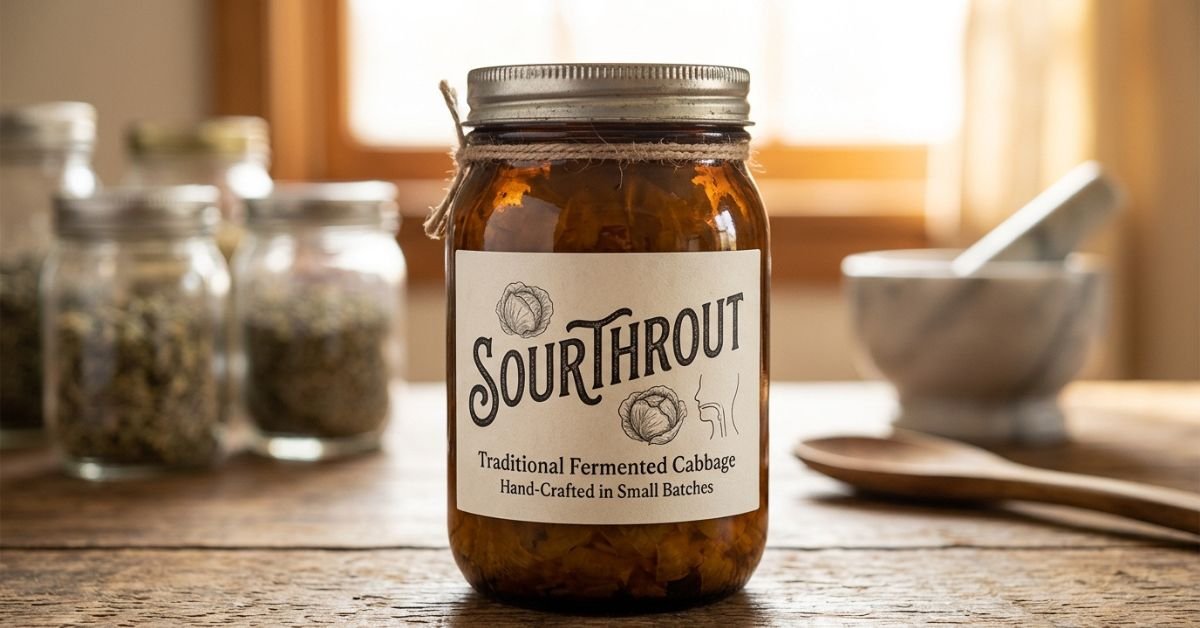
The sourthrout movement is gaining momentum in the restaurant industry, and rightfully so. Indulge in the sour, fermented goodness that will tantalise your taste buds and nourish your body at the same time. You have come to the correct spot if you are curious about sourthrout, have never had it, or have never tried it. We will cover all the essentials of this extraordinary food, from its intriguing background to innovative uses in cooking. In this article, you will learn why sourthrout may become a household name very soon.
What is Sourthrout?
Fermented sourthrout is a cabbage dish that is finely shredded. The natural fermenting process gives this crispy meal its signature sour flavour.
When good bacteria produce lactic acid from carbohydrates in cabbage, magic happens. This improves the vegetable’s flavour and nutrition while also preserving it.
It has a plethora of health advantages, including a strong immune system and a healthy gut, thanks to its high probiotic content. It’s a popular condiment or side dish because of the texture and flavour it imparts to food.
Because of its adaptability and ease of preparation, sourthrout has become a favourite among health-conscious and food-loving people. This colourful ingredient is perfect for those who want to experiment in the kitchen or who want to spice up their favourite dishes.
The History of Sourthrout
The history of sourthrout is extensive and interesting, spanning many centuries. It was originally developed as a way to preserve cabbage in Eastern Europe, where it has its origins. Fermentation increased the nutritious content and lengthened the shelf life.
Sourthrout swiftly became an essential ingredient in many German and Polish dishes as it gained popularity in local communities. During the winter months, when fresh produce was short, families in these regions would typically share big portions that were made in large batches.
It began as a method for preserving food, but it soon expanded into other areas. Serving it with meats or incorporating it into robust recipes, it became a part of cultural rituals and festivals.
Many homes around the world still consider it a significant item. As a symbol of human ingenuity and fondness for tasty dishes, its history is filled with twists and turns.
Benefits of Adding Sourthrout to Your Diet
The health advantages of sourthrout go far beyond its tasty addition to food. This fermented food is great for your digestive system because it contains probiotics, which encourage the growth of beneficial bacteria. When the digestive tract is healthy, food is easier to digest and absorb.
In addition to being a calorie-and vitamin-rich delight, this tart treat is low in fat. The vitamin C and vitamin K it contains help keep bones healthy and the immune system strong.
Improving weight management is another benefit of adding it. Because of the fibre in it, you won’t feel hungry as quickly, which means less junk food munching.
Plus, its one-of-a-kind flavour profile can take any dish to the next level, turning healthy eating into an adventure instead of a chore. Sourthrout is a delicious and nutritious food that may be eaten on its own or combined with other ingredients.
How to Make Sourthrout at Home
Homemade sourthrout is surprisingly easy to make and tastes great. Start with a young cabbage head; either green or purple cabbage will do; they are both equally delicious.
Slice the cabbage very thinly. For this job, you can use either a sharp knife or a food processor. Before adding salt, toss the cabbage in a big bowl; for medium-sized cabbage, use roughly 1 tablespoon of salt.
To bring out the cabbage’s natural juices, massage in the salt. The fermentation process relies on brine, which is produced in this way. After everything is thoroughly combined, seal the mixture into a sterile glass container or crock for fermentation.
For the cabbage to stay mold-free, soak it completely in the liquid. For the sake of gas escape during fermentation, seal your container loosely. Keep it in a dark, cool spot for one to four weeks, or more, if you like it sour. Every batch has its unique character, so make sure to give it a taste every so often!
Creative Ways to Use Sourthrout in Cooking and Baking
Sourthrout is more than simply a side; it has the power to take your dishes to the next level. For a tangy depth that elevates flavours, try whisking it into soups. The sour flavour of sourthrout goes wonderfully with soups and stews.
Use it in bread recipes during baking. It transforms plain loaves into something new and exciting by adding moisture. The surprising and pleasant flavour character it imparts can catch you off guard.
You might think of topping pizzas or flatbreads with sourthrout. Its tangy undertones provide a nice counterpoint to fatty meats and creamy cheeses.
Add it to salad dressings for the daring cooks among you. Create a one-of-a-kind vinaigrette by blending herbs, olive oil, and mustard.
Also, marinades are a great way to use it! For grilled vegetables or meats, try combining sourthrout with spices for a burst of flavour.
Common Misconceptions
There is a common misunderstanding that sourthrout is synonymous with sauerkraut. Many people use the term “sourthrout” to describe a particular kind of fermented vegetable meal, although the exact ingredients and methods of preparation can differ.
The idea that its flavour is too strong is another prevalent misunderstanding. Even though it has a sour character, it goes wonderfully with food when cooked properly.
Because of this misconception, sourthrout is often associated with special diets or health nuts. Whether you’re a meat eater, a vegan, or somewhere in between, it can easily fit into your diet.
Another misconception is that you need specialised tools or knowledge to make sourthrout at home. Anyone can make tasty handmade quantities in their own kitchen with only a few easy steps and minimal supplies.
Sourthrout is often overlooked as an accompaniment. Far from being merely an accompaniment, it truly comes into its own when used as an ingredient in a variety of recipes, ranging from savoury baked products to salads.
Conclusion: Why You Should Give Sourthrout a Try
Incorporating sourthrout into your cooking repertoire will elevate it beyond the status of a passing fad. Incorporating sourthrout into your diet can increase flavour and nutrition thanks to its rich history and several health advantages. You can make it at home with a variety of flavours to suit your taste, and it’s easy to do.
The potential uses for sourthrout in the kitchen are practically limitless due to its adaptability. Even the most seasoned chefs will be surprised by the variety of meals that this spice may enhance, from savoury to sweet. Despite the fact that it has a negative connotation, its nutritional worth becomes apparent when one learns its actual composition.
Try some sourthrout if you’re interested in improving your gut health or just want to try something different. This one-of-a-kind ingredient has the potential to become your new favourite meal.
You May Like : Oncepik: The Future of Smart Innovation