










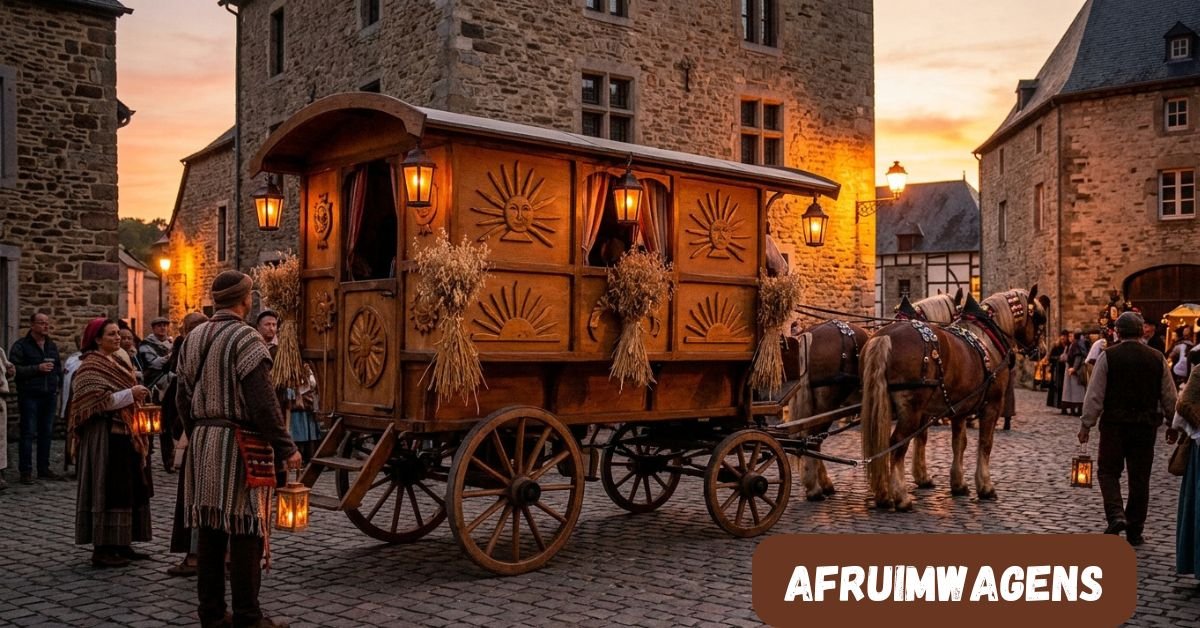
Introduction to Afruimwagens
There is something distinctly alluring about an afruimwagen, as anyone who has ever seen one knows. More than just a means of transportation, this ancient vehicle is an invaluable artifact that preserves the customs and knowledge passed down through the years. If you’re interested in afruimwagens and want to learn more about them or find out how to get one in your life, this guide is for you. Everything you need to know about these extraordinary creations will be covered, from their historical relevance to their modern-day applications. Strap in as we explore the enchantment and significance of afruimwagens in great detail!
Origins of Afruimwagens
Afruimwagens are steeped in African culture and have a fascinating past. Skilled artisans initially constructed these one-of-a-kind carts utilizing materials found in the area.
Traditional workmanship is evident in their design, which frequently features elaborate carvings and vivid colors that convey stories from the villages from where they originate. A number of indigenous languages are reflected in the name, which highlights the importance of these languages in transportation and commerce.
In addition to carrying goods, afruimwagens used to act as mobile marketplaces for local merchants. Long before modern transportation infrastructures came into being, they allowed for economic transactions across various places.
Although they changed with the times, these cars always represented tenacity and tradition. Afruimwagens were able to bridge the gap between traditional practices and modern demands as they adapted to the changing world while maintaining their cultural identity as globalization gained momentum.
Traditional Uses of Afruimwagens
The history of Afruimwagens is deeply ingrained in the customs of many different civilizations. These one-of-a-kind carts were formerly common in rural areas for hauling produce and other things.
Afrikaanse afruimwagens were vital for farmers transporting crops from fields to marketplaces. They were able to effortlessly traverse difficult terrains thanks to the robust construction. They were indispensable in many communities due to their utility.
They were useful for more than just farming. During celebrations, afruimwagens became beautiful floats that showcased local art and culture with their plethora of decorations.
Craftspeople would set up shop on wheels, bringing their wares to festivals and roadside stands. Over the years, the identity and values of the community could be seen in the unique stories given by each afruimwagen.
Many people still use afruimwagens in cultural events or reenactments to recognize their historical significance and celebrate this history.
Modern Applications of Afruimwagens
Modern contexts have given Afruimwagens a second chance at life. Artists and designers are expressing themselves via their work and bringing their personal style into contemporary home furnishings. The afruimwagen’s rustic allure has the power to change a room by injecting personality and coziness.
Sustainable farming techniques are finding new life in these wagons in the agricultural sector. Afruimwagens are versatile storage and planting solutions that community gardens often use. Their robust build makes them perfect for delivering items over a wide range of terrains.
Planners of special events are well aware of the many uses for afruimwagens. They add to the aesthetic value of outdoor gatherings by providing picturesque backgrounds for weddings and festivals. Food entrepreneurs ingeniously employ them to construct temporary kitchens that draw in customers and evoke a sense of nostalgia.
Sustainable and on-trend, these forward-thinking business owners make fashionable furniture with recycled elements from vintage afruimwagens. Consumers who are concerned about the environment and are looking for one-of-a-kind furniture have taken notice of this approach.
How to Make Your Own Afruimwagen?
The process of building an afruimwagen from scratch can be rather satisfying. Get all of your resources, including wood, metal rods, and fabric, in one place. Both individual taste and material accessibility have a role in material selection.
Start with the framework. Make sure it will last by building a strong foundation out of metal pieces or hardwood boards. Check that it can hold your weight securely.
Now we’ll move on to the wheels. If you intend to use your afruimwagen outdoors, it is recommended that you select robust wheels capable of enduring harsh terrain. Fasten them firmly to ensure security.
After the frame is complete, you can customize it by adding a seat or storage space that suits your needs. Think about adding some personality by utilizing bright fabrics.
Put your own spin on it by adding paint or embellishments that speak to your taste. At this stage, each afruimwagen becomes one-of-a-kind and exclusively yours!
Tips for Maintaining Your Afruimwagen
If you want your afruimwagen to last and run well, you must maintain it. It all starts with routinely checking the axles and wheels. Keep them clean and unobstructed to extend their life and avoid damage.
Always be sure to grease the wooden components. To prevent damage from water and extend the life of your product, try using natural oils. All it takes is a little application once every several months.
Inspect the safety belts as well. Ensuring their stability and absence of damage or fraying is of utmost importance for safety reasons when using them.
When not in use, keep your afruimwagen in a dry location. Keep materials from being exposed to temperatures that could cause them to distort or crack.
After every use, particularly after going off-road, give everything a thorough cleaning. That way, it retains its pristine appearance and flawless operation for a far longer period of time.
Where to Find Authentic Afruimwagens?
Discovering genuine afruimwagens can feel like embarking on a thrilling journey. To begin, look for artisan markets in your area where people sell handmade wares. Oftentimes, these places will showcase handcrafted goods that pay homage to local traditions.
For anyone looking for authentic works, online channels are also a goldmine. A good range of afruimwagens can be found on websites that are specialized to indigenous crafts or cultural relics.
Traditional art and craftsmanship-focused social media communities should not be overlooked. Participating in these communities can help you find trustworthy vendors.
One option is to network with establishments that document the history and culture of your area. In order to be sure you’re buying from reliable sources, they might also know of artisans that make genuine afruimwagens.
Going to festivals that honor local customs is a great way to support local artisans and discover one-of-a-kind items. You may learn the fascinating backstory of each piece at each location.
Conclusion
In both cultural heritage and contemporary craftsmanship, Afruimwagens are unique. The customs that have molded different communities throughout history can be better understood by delving into their beginnings. Their multi-functional and aesthetically pleasing traditional usage demonstrate their adaptability and inventiveness.
Modern art and design make use of afruimwagens, therefore they are no longer considered antiques. An enjoyable way to express yourself while also connecting with these great traditions is to make your own. They are valuable additions to any collection since, with proper care, they last a long time.
If you are looking for genuine afruimwagens, your best bet is to peruse specialty shops or patronize local craftspeople. Interacting with this facet of culture deepens respect for its past and its promise for the future.
Adopting afruimwagens is a great way to honor our heritage and the creative spirit that went into making these historic vehicles what they are today. These extraordinary artifacts will serve as the basis for innumerable tales passed down through the ages, whether you decide to display one or create your own.
You May Like : Insoya: Meaning, Benefits & Uses Explained