









Introduction
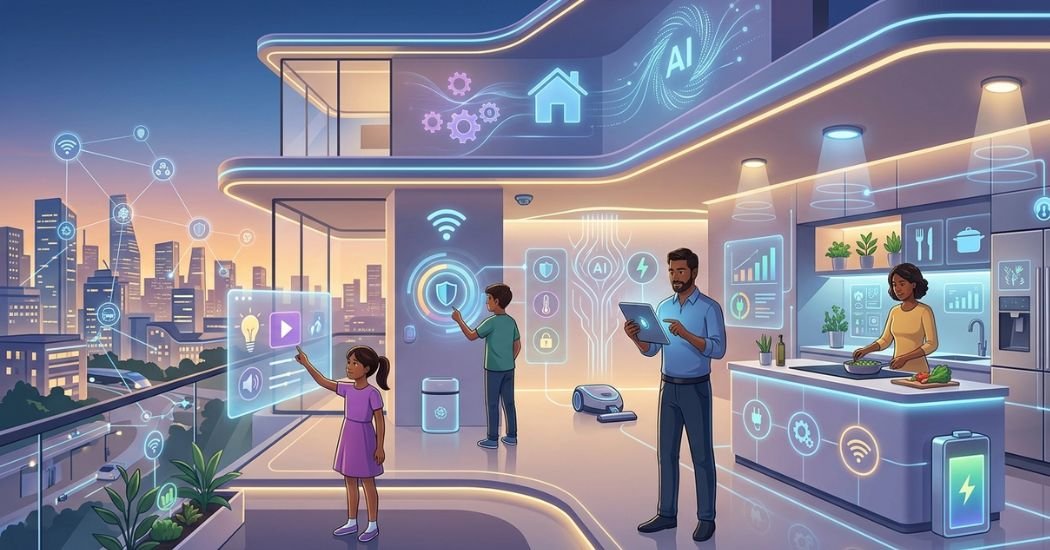
Modern living is rapidly evolving as technology becomes deeply integrated into everyday environments. Homes are no longer just physical spaces for shelter; they are becoming intelligent ecosystems that respond to human behavior, improve energy efficiency, and enhance comfort, safety, and convenience. At the center of this transformation is the rise of the Home Automation Company, which designs and installs systems that connect lighting, security, climate control, entertainment, and appliances into a unified digital network.
Home automation is not just about convenience. It represents a shift in how people interact with their living spaces. Instead of manually controlling devices, homeowners can now manage entire systems through smartphones, voice commands, or automated schedules. This level of control creates a more efficient, secure, and personalized environment.
As technology continues to advance, automation systems are becoming more accessible, affordable, and customizable. Whether for luxury residences or everyday homes, smart systems are redefining what it means to live comfortably and efficiently.
Understanding Smart Home Technology
At its core, home automation refers to the use of interconnected devices that communicate through a central system. These devices can include smart lights, thermostats, security cameras, door locks, sensors, and entertainment systems. Together, they form a network that can be controlled remotely or programmed to operate automatically.
A key component of this ecosystem is the central hub or controller, which acts as the brain of the system. It processes commands, coordinates devices, and ensures seamless communication between different technologies.
Modern systems use Wi-Fi, Bluetooth, Zigbee, or Z-Wave protocols to connect devices. These technologies allow homeowners to create customized automation routines, such as turning off lights when leaving the house or adjusting temperature based on time of day.
A professional Home Automation Company ensures that these systems are properly integrated, secure, and optimized for performance.
The Growing Demand for Smart Homes
The demand for smart home technology has increased significantly in recent years due to rising energy costs, security concerns, and lifestyle changes. Homeowners are looking for ways to simplify daily tasks while reducing expenses and improving safety.
One of the most attractive benefits of home automation is convenience. Tasks that once required manual effort can now be automated. Lighting can adjust automatically based on occupancy, thermostats can learn user preferences, and security systems can provide real-time alerts.
Another major factor driving demand is energy efficiency. Smart thermostats, lighting systems, and appliances help reduce unnecessary energy consumption by optimizing usage patterns.
Security is also a major concern. Smart surveillance systems, motion detectors, and remote access controls provide homeowners with greater peace of mind, even when they are away from home.
Core Components of Home Automation Systems
A complete smart home system includes several integrated components that work together to create a seamless experience.
Lighting control systems allow users to adjust brightness, color, and scheduling. These systems can be automated to respond to time of day or occupancy, improving both comfort and energy efficiency.
Climate control systems regulate heating, ventilation, and air conditioning. Smart thermostats learn user preferences and adjust settings automatically to maintain optimal comfort while reducing energy usage.
Security systems include smart cameras, motion sensors, alarms, and smart locks. These devices provide real-time monitoring and remote access, allowing homeowners to secure their property from anywhere.
Entertainment systems integrate audio and video devices, enabling centralized control of televisions, speakers, and streaming platforms.
A professional Home Automation Company ensures that all these components are properly installed and configured to work together seamlessly.
Benefits of Home Automation
One of the primary benefits of home automation is convenience. Automated systems reduce the need for manual control and allow users to manage multiple functions from a single interface. This creates a more streamlined and efficient living experience.
Energy efficiency is another major advantage. Smart systems optimize energy usage by adjusting lighting, temperature, and appliance operation based on real-time conditions. This leads to lower utility bills and reduced environmental impact.
Improved security is also a key benefit. Real-time monitoring, automated alerts, and remote access controls provide homeowners with enhanced protection and peace of mind.
Additionally, home automation increases property value. Smart homes are highly desirable in the real estate market, making them a valuable long-term investment.
Installation and System Integration
Installing a smart home system requires careful planning and technical expertise. Each home has unique requirements based on size, layout, and user preferences.
The process typically begins with an assessment of the property to determine which systems are needed. This includes evaluating electrical infrastructure, internet connectivity, and device compatibility.
Once the design is finalized, installation involves configuring devices, setting up the central hub, and integrating all components into a unified system. Proper installation is essential to ensure reliability, security, and ease of use.
Professional technicians also provide guidance on how to use and maintain the system effectively.
Automation and Customization
One of the most powerful features of smart home technology is customization. Users can create personalized automation routines that match their daily habits and preferences.
For example, a morning routine might include gradually increasing lighting, adjusting the thermostat, and playing music. An evening routine might involve dimming lights, locking doors, and activating security systems.
These automated scenarios can be customized based on time, location, or specific triggers such as motion detection or voice commands.
A skilled Home Automation Company helps homeowners design these routines to maximize convenience and efficiency.
Security and Privacy Considerations
While home automation offers many benefits, security and privacy are important considerations. Connected devices must be protected from unauthorized access to ensure data safety and system integrity.
Strong encryption, secure network configurations, and regular software updates are essential for maintaining system security. Professional installation helps minimize vulnerabilities by ensuring that devices are properly configured.
Homeowners should also be aware of data privacy settings and choose systems that offer transparent data handling policies.
Properly designed systems balance convenience with strong security measures.
Energy Management and Sustainability
Smart home systems play a significant role in promoting energy efficiency and sustainability. By optimizing energy usage, they help reduce waste and lower environmental impact.
Smart thermostats adjust heating and cooling based on occupancy and weather conditions. Lighting systems automatically turn off when rooms are unoccupied. Smart appliances operate during off-peak hours to reduce energy consumption.
These features contribute to a more sustainable lifestyle while reducing monthly utility costs.
Energy management is one of the most valuable long-term benefits of home automation technology.
The Role of Professional Automation Providers
While some smart devices can be installed individually, fully integrated systems require professional expertise. A professional Home Automation Company ensures that all devices work together efficiently and securely.
Experts handle system design, installation, configuration, and ongoing support. They also help troubleshoot issues and upgrade systems as new technologies become available.
For homeowners seeking reliable solutions, services such as Home Automation Company provide complete smart home integration designed for performance, convenience, and security.
Professional providers ensure that systems are scalable, allowing homeowners to expand functionality over time.
Future Trends in Home Automation
The future of smart home technology is expected to be driven by artificial intelligence, machine learning, and advanced connectivity. These innovations will make systems more intuitive and responsive to user behavior.
AI-powered systems will learn from daily routines and automatically adjust settings without manual input. Voice control and gesture recognition will become more advanced, offering even greater convenience.
Integration with renewable energy sources and smart grids will further improve efficiency and sustainability.As technology continues to evolve, smart homes will become more intelligent, adaptive, and user-friendly.
Conclusion
Home automation is transforming the way people live by creating intelligent environments that improve comfort, security, and efficiency. With the help of a professional Home Automation Company, homeowners can integrate advanced technologies into their living spaces and enjoy seamless control over lighting, climate, security, and entertainment systems.
From energy savings and enhanced safety to convenience and customization, the benefits of smart home technology are significant and long-lasting. Proper installation and professional support ensure that systems operate reliably and securely.
As innovation continues to advance, home automation will play an even greater role in shaping modern living. Investing in smart home technology today provides a foundation for a more connected, efficient, and comfortable future.