









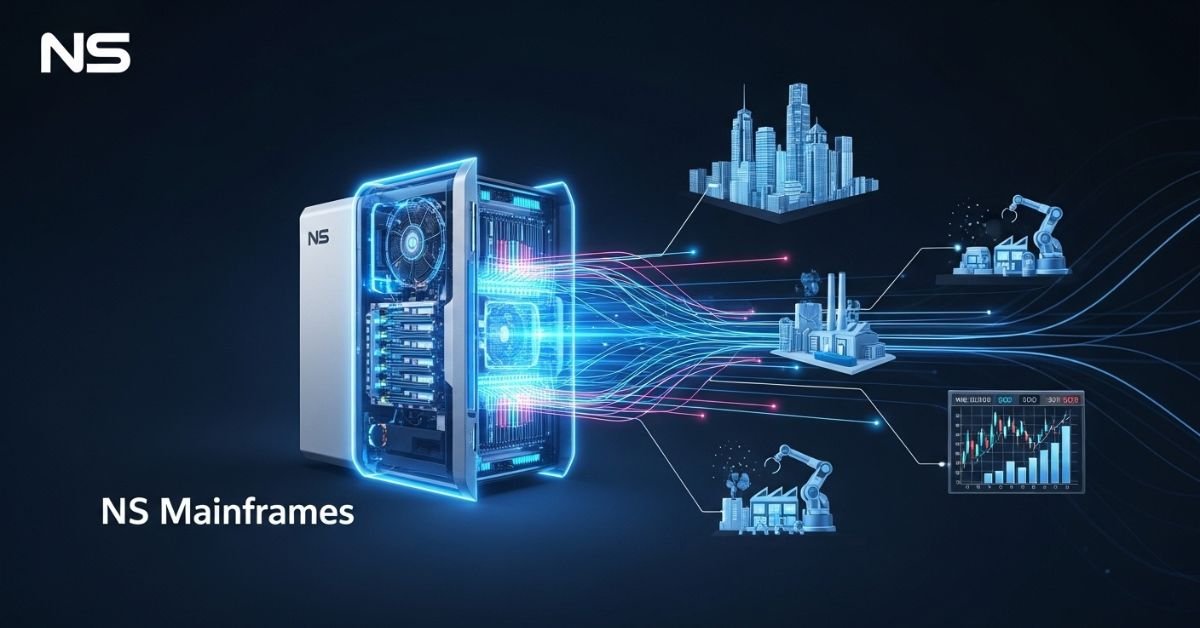
A common mental picture of mainframes is of tall, humming computers in a darkened data center. However, they are now emblematic of much more than simply antiquated systems. Then along came the NS Mainframe, an innovation and industry-shaping behemoth. Businesses are rushing toward digital transformation, therefore it’s critical for them to understand mainframes and how they work so they can invest in technology wisely. This blog article will take a deep dive into NS Mainframes, discussing their history, present applications, capabilities, and potential future developments. Everyone from tech nerds to C-suite executives planning your next infrastructure project will find everything they need here. Join me as we explore the vast world of NS Mainframes!
What is a Mainframe?
An enormous, powerful computer that can support many users concurrently and process massive volumes of data is called a mainframe. These machines are designed with durability, scalability, and security in mind, unlike home computers.
Fast processing of large amounts of transactions is where mainframes really shine. Financial institutions, healthcare providers, and public agencies frequently rely on them as their foundation.
Several operating systems can coexist on these machines. Organisations can now handle different workloads efficiently, without compromising performance, thanks to this innovation.
Mainframes are incredibly efficient, even if they are large and complicated. They maximise resources while minimising downtime by using innovative virtualisation techniques.
Additionally, they are known to be long-lived. Because of their reliability and longevity, many companies continue to use mainframes that have been running for decades.
The Evolution of Mainframes
Since their introduction in the 1950s, mainframes have undergone significant advancements. At first, these were enormous, room-consuming machines that needed expert operators. One of the earliest commercial computers, the IBM 701, set the stage for subsequent innovations.
Mainframes shrank in size and gained processing capability as technology progressed. A dramatic leap in efficiency and performance occurred with the advent of integrated circuits in the ’60s. At this point, businesses started to see their value in handling massive data sets.
Mainframes’ ability to communicate with other systems was revolutionised with the advent of networked computing towards the end of the twentieth century. From being massive entities on their own, they grew into essential parts of enterprise architectures.
Not only are modern NS mainframe solutions strong, but they can also easily include cloud computing and big data analytics. Their continued relevance in a dynamic tech ecosystem is evidenced by this progression.
How Mainframes Work
Mainframes process massive volumes of data because to their sturdy design. To ensure high efficiency and speed, they use several processors to handle many jobs at once.
Mainframes are powerful because they can run multiple operating systems at once. Businesses can now run multiple programs simultaneously, which greatly improves their efficiency.
Data storage is also an important part. Mainframes are built with large amounts of memory, which allows for fast data retrieval and processing. Even very big databases are no problem for their storage methods.
Also, mainframe operations must prioritise security. They safeguard critical information from unauthorised access with powerful encryption mechanisms and access controls.
Mainframes are essential for organisations that need scalable and reliable computing due to their complex design and capabilities.
Uses of Mainframes in Today’s World
Nowadays, mainframes are indispensable in many different industries. Processing millions of transactions every day with unparalleled dependability and safety, they form the foundation of financial systems. Mainframes are indispensable to financial firms for managing massive data sets in a way that satisfies regulatory requirements.
Mainframes are essential in the healthcare industry for managing sensitive patient records and supporting intricate billing systems. Medical research benefits from their enhanced capacity to process and make decisions based on massive datasets.
These robust machines are also essential for retailers in managing inventory, keeping tabs on sales, and providing customers with better personalised services. To remain competitive in today’s market, firms need the ability to handle insights in real-time.
Critical applications like tax processing and social security management rely on mainframe technology used by government organisations. This guarantees the efficient delivery of vital services while simultaneously protecting sensitive information.
Power and Capabilities of NS Mainframes
The exceptional capabilities and strong power of NS mainframes make them stand out. They are very good at processing transactions quickly and effectively and can manage massive volumes of data.
Their capacity to reliably support thousands of users all at once is a major strength. Because of this, sectors like healthcare and banking that rely on consistent availability are perfect fits for them.
Mainframes from NS also have state-of-the-art security measures. By utilising many levels of encryption, they safeguard critical information from cyber attacks while guaranteeing data integrity.
Scalability is also another major perk. With the ability to add resources without affecting operations, these systems can easily adjust to the growing needs of businesses.
Moreover, NS mainframes are so adaptable that they can run more than one OS at the same time. Analytics and enterprise resource planning are only two of the many uses made possible by this adaptability.
These features solidify NS mainframes’ status as essential building blocks of modern IT infrastructure.
The Future of Mainframes: Trends and Predictions
Mainframes will see substantial changes in the future. The need for powerful computers is still paramount as more and more companies embrace digital transformation.
Hybrid cloud integration is becoming more popular. To improve agility while keeping data safe, businesses will use cloud resources in addition to their on-premises mainframes.
Artificial intelligence is the subject of another forecast. Smarter, more efficient data processing and analytics on a massive scale are made possible by the increasing incorporation of AI technology into mainframes.
Also, the future landscape will be greatly influenced by sustainability. As businesses work to lessen their impact on the environment, energy-efficient products and procedures will be crucial.
It is anticipated that mainframe operations will incorporate enhanced cybersecurity safeguards. As the number of cyberattacks continues to rise, businesses will place a premium on creating safe spaces to store important data.
Conclusion
In response to changing commercial and technological needs, mainframes have evolved through several revisions. Their strong skills ensure that they remain an essential component of many modern enterprises. An outstanding resource, the NS mainframe can reliably process massive amounts of data.
Looking ahead, mainframes are expected to continue adapting and adopting new technologies such as cloud computing and artificial intelligence. In terms of efficiency and performance, businesses which take advantage of these innovations will most certainly come out on top.
Both current infrastructure and future advancements in the field of mainframes have significant potential. Their continued usefulness in modern technology is evidence of their fundamental significance. Discovering the role of NS mainframes in this changing landscape sheds light on our past and future.
You May Like : Messeregge: Smart Digital Concept Explained