









Introduction
Accessibility is no longer a niche of consideration—it’s a fundamental requirement in today’s interconnected world. Whether in classrooms, workplaces, conferences or online platforms, ensuring that information is accessible to everyone is both a moral responsibility and a practical necessity. Among the many tools that have emerged to bridge communication gaps, real-time captioning stands out as a groundbreaking solution. By providing instant text representation of spoken words, real-time captioning empowers individuals with hearing loss, supports diverse audiences, and enriches communication across multiple contexts.
In this article, we’ll explore seven powerful ways real-time captioning enhances accessibility and offers insights into its impact on education, business, technology and everyday life.
Breaking Down Communication Barriers
Real-time captioning removes one of the most significant barriers faced by individuals who are deaf or hard of hearing: the inability to engage in spoken conversations or presentations. By converting speech into text, captioning ensures that participants can follow discussions without missing essential details.
Here’s an example: in a corporate meeting, captions allow employees with hearing impairments to contribute to brainstorming sessions. In classrooms, students can absorb lectures without relying on lip-reading or sign language interpreters. This inclusivity fosters equal participation and ensures that communication is not limited by auditory ability.
Supporting Multilingual Audiences
Accessibility isn’t just about hearing—it’s also about language. Real-time captioning can be paired with translation tools to support multilingual audiences. Imagine an international conference where attendees speak different native languages. Captions can be displayed in English while translated into Spanish, French, or Mandarin allowing participants to engage with content in their preferred language.
This capability has particular value in global business environments where diverse teams collaborate across borders. By offering captions and translations, organizations demonstrate cultural sensitivity and inclusivity, strengthening relationships, and improving effectiveness.
Enhancing Learning in Educational Settings
Education thrives on clarity and comprehension. Real-time captioning provides students with a written record of lectures, discussions, and presentations, which can be reviewed later to study. This is beneficial for students with auditory processing disorders, attention challenges, or those learning in a second language.
Take, for instance, a student who struggles to keep up with fast-paced lectures and can rely on captions to catch missed points. What’s more, captions serve as a valuable study aid and strengthen retention and comprehension. Schools and universities that adopt captioning do not comply with accessibility standards but also create a more equitable learning environment.
Improving Workplace Inclusivity
In professional settings, inclusivity has a direct impact on employee engagement and productivity. Real-time captioning ensures that employees with hearing impairments are not excluded from meetings, training sessions, or companywide announcements.
Beyond accessibility captioning benefits all employees. In noisy environments, captions help workers follow conversations without straining to hear. Remote teams also benefit when captions accompany virtual meetings, reducing misunderstandings caused by poor audio quality. Companies that invest in live captioning services demonstrate a commitment to diversity, equity, and inclusion, which strengthens their reputation and employee satisfaction.
Making Public Events and Conferences More Accessible
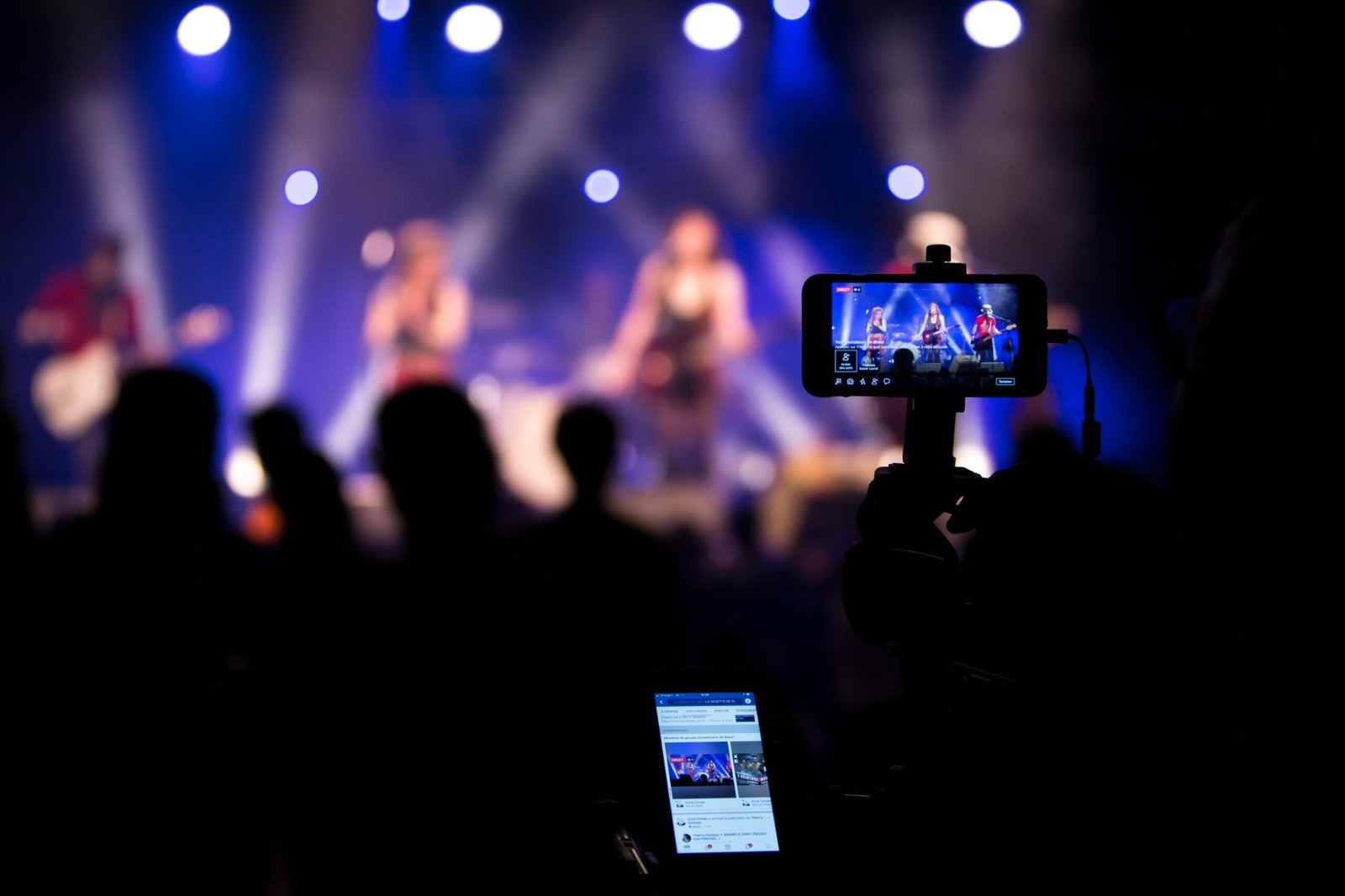
Large-scale events—such as conferences, seminars and public speeches—often involve complex logistics and diverse audiences. Real-time captioning ensures that every attendee can access the content regardless of hearing ability or language skills.
Event organizers can display captions on large screens or personal devices to make sessions more engaging and inclusive. This does not enhance accessibility but also broadens the event’s reach, as recorded captions can be repurposed to create transcripts, summaries, or marketing materials. When organizers integrate captioning, they create events that resonate with wider audiences and uphold accessibility standards.
Strengthening Digital Media Accessibility
Digital platforms form the backbone of modern communication, from webinars and podcasts to social media live streams. Real-time captioning ensures that digital content remains accessible to all users, including those with hearing impairments or those consuming content in noisy environments.
For instance, captions on a live-streamed webinar allow participants to follow along even if their audio connection is unstable. On social media, captions make videos more engaging and inclusive, improving viewer retention and reach. As accessibility regulations tighten worldwide, captioning is becoming not just a best practice but a legal requirement for digital media providers.
Promoting Equity in Everyday Life
Accessibility reaches beyond formal settings into everyday experiences. Real-time captioning enhances inclusivity in public spaces such as theaters, museums, and community centers. It allows individuals with hearing impairments to enjoy performances on guided tours or public announcements without feeling excluded.
Even in casual contexts—like watching television with friends or attending a local town hall meeting—captioning ensures that everyone can share the experience. By normalizing captioning in daily life, society moves closer to true equity where communication is accessible.
Conclusion
Real-time captioning is more than a breakthrough—it’s a bridge to inclusion, equity, and empowerment. By breaking down communication barriers, supporting multilingual audiences, improving education, enhancing workplace inclusion, enabling public events, strengthening digital media accessibility, and promoting equity in everyday life, captioning transforms how we connect and share information.
As organizations, educators, and communities embrace captioning, they take an essential step toward creating environments where everyone can participate. Accessibility is not just about compliance—it’s about creating a world where communication is seamless, inclusive, and understood.