








Understanding the Importance of a Well-Maintained Pool
A swimming pool is more than just a recreational feature. It serves as a place for relaxation, exercise, entertainment, and family gatherings. Whether located in a residential property, a community setting, or a commercial facility, a pool represents a significant investment that requires proper care and maintenance. Over time, even the best-designed pools experience wear and tear due to constant exposure to water, chemicals, weather conditions, and daily use. When problems begin to appear, timely Pool Repair becomes essential to preserve functionality, safety, and long-term value.
Ignoring small issues can often lead to larger and more expensive problems. A minor crack in the pool surface, a leaking pipe, or malfunctioning equipment may seem insignificant at first, but these issues can quickly escalate if not addressed. Professional repair services help restore the pool’s condition while preventing further damage that could affect the structure, plumbing system, or surrounding areas.
As pool technology continues to evolve, repair methods have also improved significantly. Modern repair solutions allow technicians to diagnose problems accurately and implement long-lasting fixes that improve performance and extend the life of the pool.
Common Causes of Pool Damage
Swimming pools are constantly exposed to conditions that can contribute to deterioration over time. One of the most common causes of damage is normal aging. Materials naturally weaken after years of exposure to water, chemicals, and temperature fluctuations. Surfaces may develop cracks, tiles can loosen, and equipment may begin to wear out.
Environmental factors also play a major role in pool deterioration. Heavy rainfall, changing temperatures, and prolonged exposure to sunlight can affect both the structural components and the surrounding pool deck. These conditions often contribute to surface damage, leaks, and equipment failures.
Chemical imbalances are another common source of pool problems. Improper water chemistry can damage plaster finishes, corrode metal components, and shorten the lifespan of pumps and filtration systems. Consistent monitoring and maintenance are essential to prevent these issues from developing.
In some cases, poor installation practices can lead to long-term complications. Improper plumbing connections, inadequate structural support, or low-quality materials may eventually result in costly repairs that could have been avoided through proper construction techniques.
Signs That Your Pool Needs Professional Attention
Recognizing the early warning signs of pool damage can help prevent costly repairs and maintain safe operating conditions. One of the most noticeable indicators is a sudden drop in water level. While some evaporation is normal, excessive water loss may indicate a leak within the pool structure or plumbing system.
Cracks in the pool surface are another common sign that repairs may be necessary. Even small cracks can allow water to escape and cause additional structural stress over time. Stains, discoloration, or rough surfaces may also indicate underlying issues that require professional evaluation.
Equipment problems should never be ignored. Unusual noises from pumps, reduced water circulation, poor filtration performance, or inconsistent heating can all signal mechanical issues that need immediate attention. Addressing these concerns early helps prevent complete equipment failure and more expensive replacements.
Pool owners should also watch for loose tiles, damaged coping, and uneven surfaces around the pool area. These issues not only affect appearance but can also create safety hazards for swimmers.
The Importance of Professional Pool Inspections
Regular inspections are one of the most effective ways to identify potential problems before they become major concerns. Professional technicians have the knowledge and equipment necessary to assess every component of a swimming pool, including the structure, plumbing, filtration system, and surrounding features.
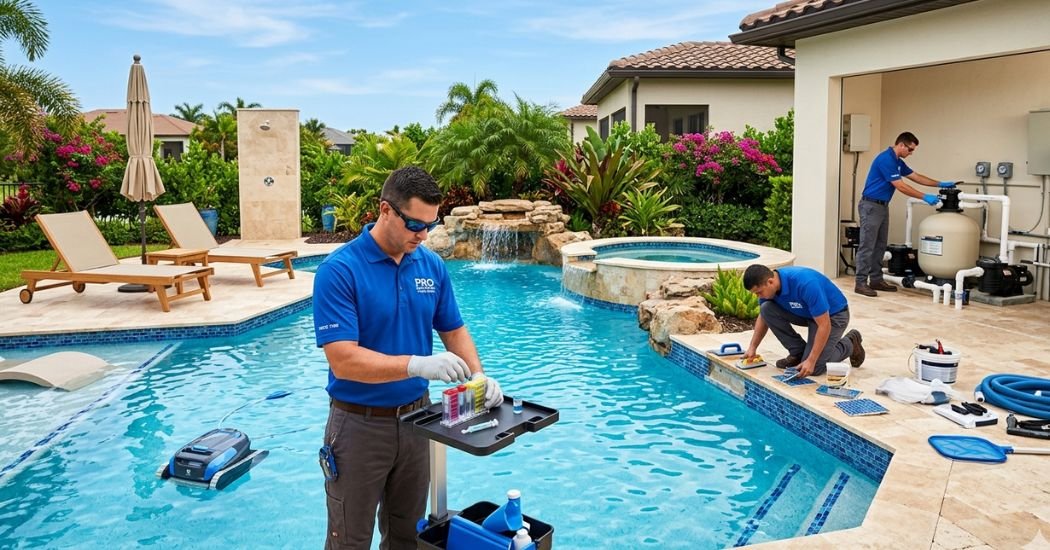
A thorough inspection typically begins with a visual evaluation of the pool surface, tile work, coping, and deck area. Technicians then examine pumps, filters, heaters, and circulation systems to ensure they are operating efficiently. Leak detection technology may also be used to identify hidden water loss that is not visible to the naked eye.
By conducting routine inspections, pool owners can address minor issues early and avoid more extensive repairs in the future. Preventive maintenance is often far less expensive than emergency repair work and helps extend the life of the pool significantly.
Structural Repairs and Surface Restoration
One of the most common aspects of Pool Repair involves restoring damaged surfaces. Pool finishes naturally wear down over time due to chemical exposure, water movement, and environmental conditions. Cracks, chips, and surface deterioration not only affect appearance but can also compromise structural integrity.
Surface restoration may involve patching cracks, repairing plaster, resurfacing worn areas, or replacing damaged tiles. Modern repair materials are designed to provide durability while maintaining the visual appeal of the pool.
Structural repairs are particularly important when cracks extend beyond the surface layer. These issues may indicate movement within the pool shell or surrounding soil conditions. Professional repair specialists can evaluate the extent of the damage and implement solutions that restore stability and prevent future complications.
Plumbing and Leak Detection Services
Leaks are among the most common and potentially damaging pool problems. Even a small leak can waste significant amounts of water and increase utility costs over time. More importantly, hidden leaks can erode soil around the pool structure and lead to serious structural issues.
Advanced leak detection technology allows professionals to locate leaks accurately without unnecessary excavation. Specialized equipment can identify leaks within plumbing lines, fittings, and structural components.
Once the source of the leak is identified, repairs may involve replacing damaged pipes, sealing cracks, or repairing faulty connections. Prompt attention to leaks is essential for protecting both the pool and the surrounding property.
Equipment Repair and System Upgrades
Pool equipment plays a critical role in maintaining water quality and overall functionality. Pumps, filters, heaters, chlorinators, and automation systems all work together to keep the pool operating efficiently.
Over time, these components may experience wear and mechanical failure. Reduced water circulation, poor filtration, inconsistent heating, or unusual operating noises often indicate the need for repairs or replacement.
Professional Pool Repair services include diagnosing equipment problems and restoring proper functionality. In some cases, upgrading older equipment to newer energy-efficient models can improve performance while reducing operating costs.
Modern pool technology offers advanced automation systems that simplify maintenance and enhance user convenience. Upgrading outdated equipment can provide significant long-term benefits for pool owners.
Preventive Maintenance and Long-Term Care
Preventive maintenance is one of the most effective ways to reduce repair costs and extend the lifespan of a swimming pool. Routine cleaning, chemical balancing, and equipment inspections help identify potential problems before they become serious issues.
Maintaining proper water chemistry is particularly important. Balanced water helps protect surfaces, equipment, and plumbing components from corrosion, scaling, and premature deterioration. Regular testing and adjustment of chemical levels ensure optimal water quality and swimmer safety.
Cleaning filters, checking pumps, and inspecting pool surfaces should also be part of a comprehensive maintenance program. These simple tasks help maintain efficient operation and prevent unexpected breakdowns.
By investing in preventive care, pool owners can significantly reduce the likelihood of major repairs while preserving the value of their investment.
Benefits of Hiring Professional Repair Specialists
Swimming pool repair requires specialized knowledge, tools, and experience. Attempting to address complex issues without professional assistance can often result in incomplete repairs or additional damage.
Professional technicians understand how to diagnose problems accurately and implement effective solutions. They have access to advanced equipment and high-quality materials designed specifically for pool restoration and repair.
For property owners seeking reliable solutions, professional services such as Pool Repair provide expert inspection, maintenance, and repair services that help ensure long-lasting performance and safety.
Working with experienced professionals also provides peace of mind, knowing that repairs are completed according to industry standards and best practices.
The Long-Term Value of Timely Repairs
Addressing pool problems promptly offers numerous long-term benefits. Timely repairs prevent minor issues from becoming major structural concerns, reduce operating costs, and improve overall safety. They also help maintain the appearance and functionality of the pool, ensuring that it remains an enjoyable feature for years to come.
A well-maintained pool can also enhance property value. Prospective buyers often view a properly maintained swimming pool as a desirable amenity, while visible damage or neglected maintenance may reduce appeal.
Investing in professional repairs and ongoing maintenance protects the original investment and contributes to the long-term enjoyment of the pool.
Conclusion
Swimming pools provide countless hours of enjoyment, relaxation, and recreation, but they require consistent care to remain safe and functional. Over time, wear and tear, environmental exposure, and equipment aging can lead to issues that demand professional attention. Timely Pool Repair is essential for preserving structural integrity, maintaining water quality, and ensuring efficient operation.
From leak detection and structural restoration to equipment repair and preventive maintenance, professional services play a vital role in extending the lifespan of a swimming pool. By addressing problems early and investing in regular maintenance, pool owners can protect their investment, improve performance, and enjoy a safe, beautiful pool for many years to come.