









A roof is one of the most important structural components of any home or commercial property. It protects the building from harsh weather conditions, prevents water intrusion, supports energy efficiency, and contributes significantly to the overall appearance of the property. Despite its importance, many property owners overlook regular roof maintenance until visible damage or leaks begin to appear. One of the most essential parts of preventive maintenance is Roof cleaning, a process that helps preserve the condition, performance, and lifespan of roofing materials.
Over time, roofs naturally accumulate dirt, leaves, algae, moss, mold, mildew, and other debris. These contaminants may seem harmless at first, but they can gradually weaken roofing materials and create serious structural issues if left untreated. Regular roof maintenance not only improves curb appeal but also protects the investment homeowners have made in their property.
This article explores the importance of roof cleaning, the risks associated with neglected roofs, different cleaning methods, safety considerations, and how professional maintenance contributes to long-term roof durability.
Why Roof Maintenance Matters
Many homeowners focus on interior maintenance and landscaping while forgetting that the roof faces constant exposure to environmental conditions throughout the year. Rain, wind, sunlight, snow, humidity, and airborne debris all contribute to gradual roof deterioration.
A well-maintained roof performs more efficiently and lasts significantly longer than one that is neglected. Dirt buildup and biological growth can trap moisture against roofing materials, leading to rot, mold growth, and structural weakening. In some cases, roof damage caused by lack of maintenance can result in costly repairs or premature roof replacement.
Regular maintenance inspections help identify small issues before they become major problems. Cleaning the roof removes harmful substances that accelerate wear and tear, allowing roofing materials to function properly for many years.
Property owners who invest in routine maintenance often save substantial money over time by avoiding emergency repairs and extending the life of their roofing systems.
Understanding the Causes of Roof Contamination
Roofs are constantly exposed to outdoor elements, making contamination unavoidable over time. Leaves, branches, dirt, pollen, bird droppings, and airborne pollutants can accumulate on roofing surfaces and in gutters.
Moisture combined with shade creates ideal conditions for algae, moss, and mold growth. Algae commonly appear as dark streaks on shingles, while moss forms thick green patches that trap moisture and lift roofing materials. Mold and mildew can also develop in damp conditions, potentially spreading into other parts of the property.
Trees located near buildings often contribute to roof contamination by dropping leaves, seeds, and branches. These materials can clog gutters and create areas where water pools instead of draining properly.
Humidity and weather patterns also influence roof conditions. Warm and moist environments tend to encourage faster biological growth, making regular Roof cleaning especially important for preventing long-term damage.
How Dirt and Debris Affect Roofing Materials
Roofing materials are designed to withstand outdoor conditions, but continuous exposure to debris and moisture can gradually weaken them. Dirt and biological growth often create a layer that prevents proper drainage and traps water against the roof surface.
As moisture accumulates, shingles may begin to crack, curl, or deteriorate. Wooden roofing components can rot, while metal roofs may become more vulnerable to corrosion. Moisture trapped beneath roofing materials may also affect the underlying structure, insulation, and interior ceilings.
Moss growth presents a particularly serious issue because its roots can penetrate small gaps between shingles. This process allows water to seep beneath the roof surface, increasing the risk of leaks and water damage.
Clogged gutters caused by debris accumulation can also create drainage problems. Overflowing water may damage siding, fascia boards, and the property foundation.
Routine cleaning removes these harmful contaminants before they can compromise the roof’s structural integrity.
The Importance of Roof Cleaning for Property Value
A clean and well-maintained roof significantly improves the overall appearance of a property. Dark stains, moss buildup, and visible debris can make even a well-maintained home look neglected.
Curb appeal plays an important role in property value, especially for homeowners planning to sell their homes. Potential buyers often view roof condition as an indicator of overall property maintenance. A dirty or damaged roof may raise concerns about hidden structural problems or future repair costs.
Regular Roof cleaning enhances visual appeal by restoring the roof’s appearance and helping the property look newer and more attractive. This simple maintenance step can contribute positively to first impressions and potentially increase buyer confidence.
Commercial properties also benefit from clean roofing systems because appearance influences customer perceptions and professional image. Businesses that maintain clean exteriors often appear more trustworthy and organized.
Common Roof Cleaning Methods
Several different roof cleaning methods are used depending on the roofing material, level of contamination, and condition of the roof. Choosing the correct cleaning approach is essential for avoiding unnecessary damage.
Soft washing is one of the most commonly recommended methods for cleaning roofs. This process uses low-pressure water combined with specialized cleaning solutions to remove algae, mold, dirt, and moss safely. Soft washing is effective because it cleans without damaging shingles or roofing materials.
Pressure washing may be used in some situations, but excessive pressure can damage certain roofing surfaces, especially asphalt shingles. Improper pressure washing can strip protective granules from shingles and reduce roof lifespan.
Manual cleaning methods involve physically removing debris such as leaves, branches, and moss using brushes or specialized tools. This approach is often combined with chemical treatments to prevent regrowth.
Professional contractors evaluate the roof type and contamination level before selecting the most appropriate cleaning method. Using incorrect techniques can lead to costly repairs and shortened roof life.
Benefits of Professional Roof Cleaning Services
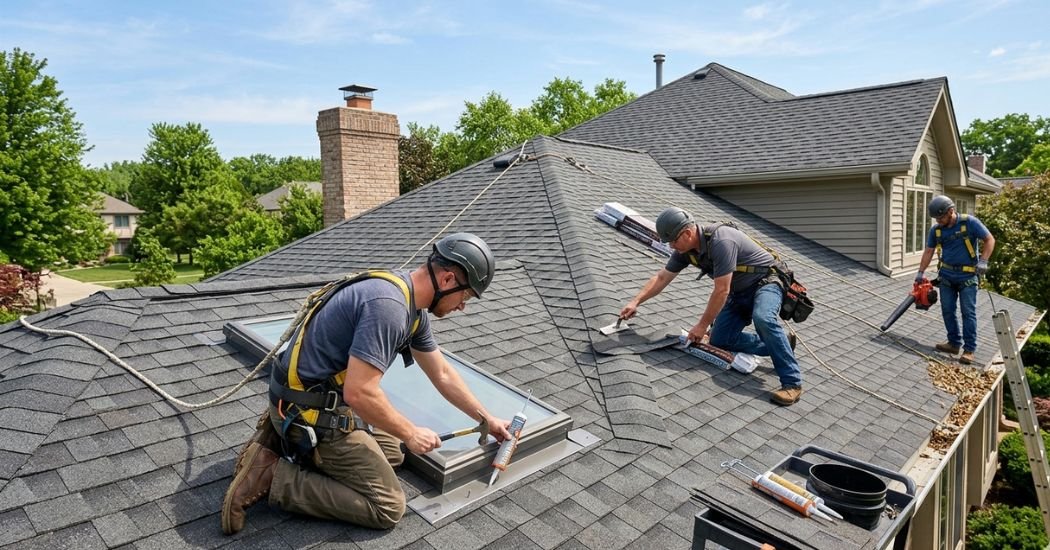
While some homeowners attempt to clean their roofs independently, professional roof cleaning services offer several important advantages. Roofing systems can be dangerous to access without proper equipment, training, and safety precautions.
Professional technicians understand how to identify roof damage, select appropriate cleaning methods, and avoid causing accidental harm to roofing materials. They also use specialized tools and cleaning products designed specifically for roof maintenance.
One major benefit of hiring professionals is safety. Roof work involves risks such as falls, slippery surfaces, and unstable footing. Experienced technicians are trained to manage these hazards properly.
Professionals can also identify early signs of roof problems such as cracked shingles, damaged flashing, drainage issues, or structural weaknesses. Addressing these concerns early may prevent more extensive repairs later.
For homeowners seeking reliable exterior maintenance services, resources such as Roof cleaning can provide valuable support in maintaining clean and durable roofing systems.
Preventing Algae and Moss Growth
One of the primary goals of roof maintenance is preventing biological growth from returning after cleaning. Algae and moss thrive in damp, shaded environments and can spread quickly if conditions remain favorable.
Trimming overhanging tree branches helps reduce shade and improve airflow across the roof surface. Better sunlight exposure allows roofs to dry more efficiently after rain or humidity.
Regular gutter cleaning also helps prevent standing water and moisture buildup. Clogged gutters often contribute to roof deterioration by preventing proper drainage.
In some cases, protective treatments may be applied after cleaning to discourage future algae and moss growth. These treatments help extend the effectiveness of the cleaning process and maintain roof appearance for longer periods.
Routine inspections are also important because early detection of biological growth allows property owners to address problems before they become severe.
How Roof Cleaning Supports Energy Efficiency
Many property owners do not realize that roof condition can affect energy efficiency. Dark algae stains and accumulated debris may absorb additional heat from sunlight, increasing roof surface temperatures.
When roofs become excessively hot, indoor cooling systems may need to work harder to maintain comfortable temperatures. This can lead to higher energy consumption and increased utility costs.
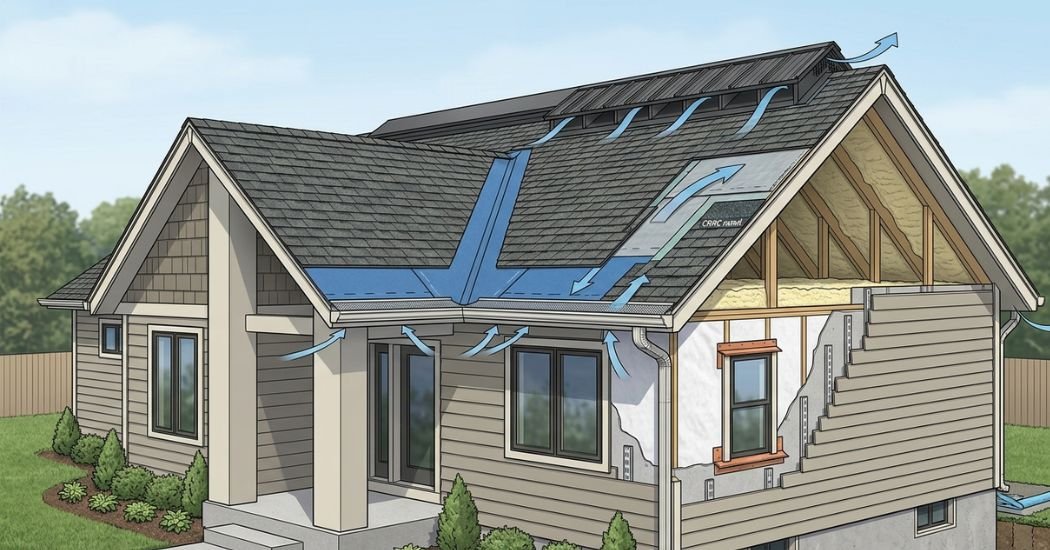
A clean roof reflects sunlight more effectively and supports better temperature regulation within the building. Proper drainage and ventilation also help maintain insulation performance and reduce moisture-related problems.
Roof maintenance contributes to overall building efficiency by protecting insulation materials and preventing water infiltration that may reduce thermal performance.
Over time, these improvements can help property owners lower energy expenses while maintaining a more comfortable indoor environment.
Seasonal Roof Maintenance Tips
Different seasons present unique challenges for roofing systems, making year-round maintenance important. During autumn, falling leaves and branches often accumulate on roofs and inside gutters. Removing this debris promptly helps prevent moisture retention and drainage problems.
Winter weather may create ice dams, snow buildup, and freezing moisture that place additional stress on roofing materials. Regular inspections help identify vulnerable areas before severe weather conditions worsen existing damage.
Spring is often an ideal time for Roof cleaning because winter debris, mold, and algae growth become more noticeable after colder months. Cleaning during this period prepares the roof for warmer weather and improves overall appearance.
Summer heat and sunlight can accelerate roof aging, particularly when biological growth or dirt buildup is already present. Seasonal maintenance helps roofs remain in strong condition throughout changing weather patterns.
The Cost Benefits of Preventive Roof Care
Many property owners delay roof maintenance because they view it as an unnecessary expense. However, preventive care is often far less expensive than major roof repairs or full replacement projects.
Routine cleaning and inspections allow professionals to identify small issues before they develop into significant structural problems. Addressing minor concerns early may prevent leaks, interior water damage, mold growth, and expensive repairs.
Replacing an entire roof can be one of the most costly home improvement projects a property owner faces. Extending roof lifespan through proper maintenance provides significant long-term financial savings.
Insurance companies may also view regular maintenance positively because neglected roofs are more likely to experience preventable damage claims.
Investing in preventive roof care ultimately protects both the property and the owner’s financial interests.
Environmental Advantages of Roof Maintenance
Maintaining clean roofing systems also offers environmental benefits. Proper drainage helps prevent water damage and reduces the risk of mold contamination that may affect indoor air quality.
Extending roof lifespan reduces the amount of roofing material sent to landfills due to premature replacement. Sustainable maintenance practices help minimize construction waste and resource consumption.
Energy-efficient roofs supported by proper cleaning and maintenance may also reduce overall energy usage, contributing to lower environmental impact over time.
Using eco-friendly cleaning products and responsible maintenance techniques further supports environmentally conscious property management practices.
Conclusion
A roof is one of the most valuable protective features of any property, and maintaining it properly is essential for long-term structural integrity, energy efficiency, and visual appeal. Regular roof maintenance helps remove harmful contaminants, prevent moisture damage, and extend the life of roofing materials.
From algae and moss prevention to improved drainage and curb appeal, Roof cleaning offers numerous benefits that protect both residential and commercial properties. By investing in routine inspections, professional cleaning services, and preventive maintenance, property owners can avoid costly repairs and preserve the value of their investment.
Taking proactive steps to maintain a clean roof not only enhances property appearance but also ensures greater safety, durability, and financial security for years to come.