










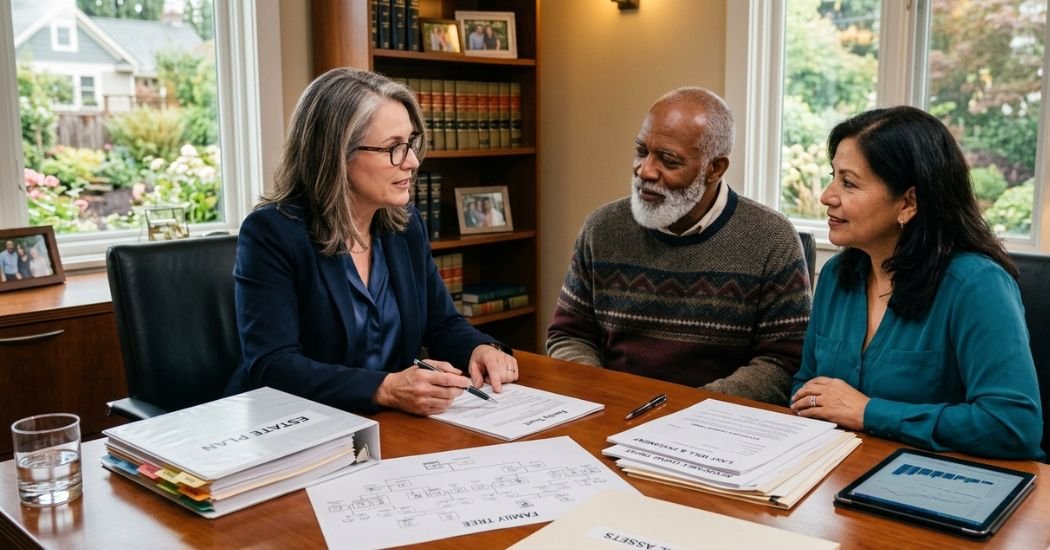
Planning for the future is one of the most important responsibilities individuals can undertake to protect their loved ones, financial assets, and personal wishes. While many people spend decades building careers, purchasing property, growing investments, and supporting family members, fewer take the necessary legal steps to ensure those accomplishments are protected after death or incapacity. Estate planning provides the legal framework needed to organize assets, reduce financial uncertainty, and create clear instructions for future generations.
Without a structured estate plan, families often face unnecessary stress, legal complications, disputes, and delays when trying to manage a loved one’s affairs. This is why professional legal guidance plays such an essential role in long-term financial preparation. Estate planning is not reserved only for wealthy individuals or retirees. Anyone who owns property, has dependents, operates a business, or wishes to control how their assets are handled can benefit from comprehensive estate planning services.
An experienced Estate Planning Attorney helps individuals develop legally sound strategies that protect family interests while ensuring personal wishes are carried out properly. Through wills, trusts, healthcare directives, powers of attorney, and other legal tools, estate planning creates stability and clarity during difficult circumstances.
Understanding the Purpose of Estate Planning
Estate planning involves preparing legal documents and financial arrangements that determine how assets and responsibilities will be managed both during life and after death. The goal is to ensure that property is distributed according to personal wishes while minimizing confusion, taxes, and legal disputes.
A well-designed estate plan addresses several critical issues. It identifies beneficiaries, appoints decision-makers, protects dependents, outlines healthcare preferences, and organizes financial management in the event of incapacity. Estate planning can also simplify asset transfers and reduce delays associated with probate proceedings.
Many people mistakenly believe estate planning is only necessary later in life. However, accidents and unexpected health situations can occur at any age. Having legal protections already in place helps families avoid uncertainty during emergencies while ensuring important decisions are made according to documented instructions.
Estate planning also allows individuals to maintain greater control over their legacy. Instead of relying on default inheritance laws, a personalized plan gives people the opportunity to determine how their assets should support family members, charitable causes, or future generations.
Why Wills Are a Fundamental Part of Estate Planning
A will is one of the most important legal documents included in an estate plan. It provides clear instructions regarding how property, investments, personal belongings, and other assets should be distributed after death. A will also allows parents to appoint guardians for minor children and name an executor responsible for handling estate administration.
Without a valid will, courts generally distribute assets according to state inheritance laws. This process may not align with the deceased person’s actual wishes and can create unnecessary disputes among surviving relatives. Family members may disagree about property distribution, guardianship decisions, or financial responsibilities when legal instructions are unclear.
A properly prepared will provides structure and guidance during emotionally difficult times. It reduces uncertainty and allows loved ones to focus on healing rather than navigating avoidable legal complications.
Wills should also be reviewed and updated regularly. Major life changes such as marriage, divorce, childbirth, property purchases, retirement, or business ownership changes may require revisions to ensure the document remains accurate and legally effective.
The Benefits of Trusts for Asset Protection
Trusts are powerful estate planning tools that offer additional flexibility and protection beyond what a will alone can provide. A trust is a legal arrangement that allows a trustee to manage assets on behalf of beneficiaries according to specific instructions established by the creator of the trust.
One major advantage of trusts is the ability to avoid probate. Probate is the court-supervised process of administering an estate, and it can be time-consuming, costly, and stressful for family members. Assets held within a properly funded trust are typically transferred directly to beneficiaries without requiring extensive court involvement.
Trusts also provide greater privacy because they usually do not become part of the public record. This can help families maintain confidentiality regarding financial matters and inheritance arrangements.
There are many different types of trusts designed to accomplish various goals. Revocable living trusts allow individuals to maintain control over assets during their lifetime while simplifying transfers after death. Irrevocable trusts may provide enhanced asset protection and tax planning opportunities.
Trusts are often used to protect inheritances for children, support family members with special needs, preserve business interests, or create long-term financial management structures for beneficiaries who may not yet be prepared to handle significant assets independently.
Planning for Incapacity and Medical Decisions
Estate planning is not limited to what happens after death. It also addresses situations involving incapacity due to illness, injury, or aging. Without proper legal documents in place, family members may struggle to manage financial affairs or make healthcare decisions on behalf of a loved one.
Durable powers of attorney authorize trusted individuals to handle financial responsibilities if someone becomes unable to manage their affairs independently. These responsibilities may include paying bills, accessing accounts, managing investments, or handling property transactions.
Healthcare directives and medical powers of attorney allow individuals to document treatment preferences and appoint trusted decision-makers for medical situations. These documents provide guidance to healthcare providers and family members during critical moments when communication may not be possible.
By planning ahead, individuals reduce confusion and help prevent disputes regarding medical care or financial management. Clear legal instructions provide reassurance for both the individual and their loved ones.
How Estate Planning Protects Families with Children
Parents with minor children have especially important reasons to establish comprehensive estate plans. Naming guardians is one of the most critical decisions parents can make because it determines who would care for children if both parents pass away unexpectedly.
Estate planning also helps parents provide long-term financial support for their children. Rather than leaving assets directly to minors, trusts can be established to manage funds responsibly until children reach appropriate levels of maturity.
These trusts may cover education expenses, healthcare costs, housing needs, or other long-term financial priorities. Structured distributions help protect children from poor financial decisions while ensuring resources remain available throughout different stages of life.
Families caring for dependents with disabilities or special needs may also use specialized trusts to provide financial support without affecting eligibility for government assistance programs.
Business Succession and Estate Planning
Business owners face additional estate planning considerations because company operations and ownership interests require careful management. Without a succession plan, businesses may experience instability, ownership disputes, or financial disruption if the owner becomes incapacitated or dies unexpectedly.
Estate planning strategies for business owners may include buy-sell agreements, succession planning documents, partnership arrangements, and trust structures designed to transfer ownership smoothly. These legal tools help protect employees, preserve business value, and maintain operational continuity.
Business succession planning is particularly important for family-owned companies where multiple generations may be involved in management or ownership responsibilities. Clear legal guidance reduces uncertainty and helps ensure the long-term success of the business.
Minimizing Probate and Legal Delays
Probate can create significant delays for families attempting to access inherited assets. Depending on the complexity of the estate, probate proceedings may last many months or even years. Court fees, administrative costs, and legal expenses can also reduce the overall value of the estate.
Proper estate planning helps minimize these delays by organizing assets strategically and utilizing legal tools that simplify transfers. Trusts, beneficiary designations, and joint ownership arrangements can all contribute to more efficient asset distribution.
Families without organized estate plans often encounter disputes regarding property ownership, debt responsibilities, or unclear intentions. These conflicts can damage relationships and increase emotional strain during already difficult circumstances.
Careful planning provides structure and clarity that help reduce unnecessary complications while preserving family harmony.
Tax Planning and Wealth Preservation
One major objective of estate planning is preserving wealth for future generations. Depending on estate size and applicable laws, taxes can significantly reduce the value of inherited assets if planning is not handled strategically.
Trusts, gifting strategies, charitable donations, and business planning techniques may help minimize tax liabilities while maximizing the value passed to beneficiaries. Estate planning also helps families prepare for capital gains taxes, estate taxes, and other financial obligations that may arise after death.
While tax laws change over time, proactive planning provides families with greater financial flexibility and long-term security.
Common Estate Planning Mistakes
Many individuals delay estate planning because they assume they have plenty of time or believe they do not own enough assets to justify legal preparation. Unfortunately, unexpected circumstances can occur at any stage of life, leaving families unprepared during emergencies.
Another common mistake involves relying on outdated documents. Major life events such as marriage, divorce, childbirth, retirement, or property acquisitions may require important revisions to estate plans.
Some people attempt to create estate plans using generic online templates without understanding local legal requirements or the complexities of their personal situations. Poorly drafted documents can create confusion, invalidate certain instructions, or fail to achieve intended goals.
Improper beneficiary designations, unfunded trusts, and unclear instructions can also lead to unnecessary legal disputes and financial complications. Professional guidance helps individuals avoid these costly errors.
The Emotional Benefits of Estate Planning
Estate planning provides more than legal and financial protection. It also offers emotional peace of mind for individuals and their families. Knowing that important matters are organized and documented reduces uncertainty about the future.
Family members benefit from having clear guidance during emotionally challenging situations. Instead of navigating confusion or conflict, they can focus on supporting one another and honoring the wishes of their loved one.
Creating an estate plan reflects responsibility, preparation, and care for future generations. It demonstrates a commitment to protecting loved ones from unnecessary hardship while preserving financial stability and family relationships.
Why Professional Legal Guidance Matters
Estate planning laws can be highly detailed and complex, particularly when significant assets, business interests, blended families, or tax concerns are involved. Personalized legal guidance helps individuals understand available options and develop strategies tailored to their specific goals.
An experienced Estate Planning Attorney can explain legal concepts clearly, identify potential risks, and create customized documents that comply with current laws. Professional guidance also helps ensure all components of an estate plan work together effectively.
From wills and trusts to powers of attorney and healthcare directives, every part of an estate plan serves an important role in protecting personal wishes and family interests. Working with a knowledgeable attorney helps individuals create comprehensive plans that provide long-term security and peace of mind.
Building a Lasting Legacy Through Careful Planning
Estate planning is one of the most meaningful ways individuals can protect the people and assets that matter most. Through careful preparation, families gain legal clarity, financial organization, and emotional reassurance that extends far beyond a single generation.
Comprehensive estate plans help preserve wealth, reduce legal complications, and ensure personal wishes are carried out accurately. Whether the goal is protecting children, supporting charitable causes, preserving business interests, or simplifying financial management, proper planning creates a strong foundation for the future.
Professional estate planning allows individuals to take control of their legacy while reducing stress for loved ones during difficult times. By preparing today, families can create lasting security, protect important relationships, and provide meaningful support for future generations.