










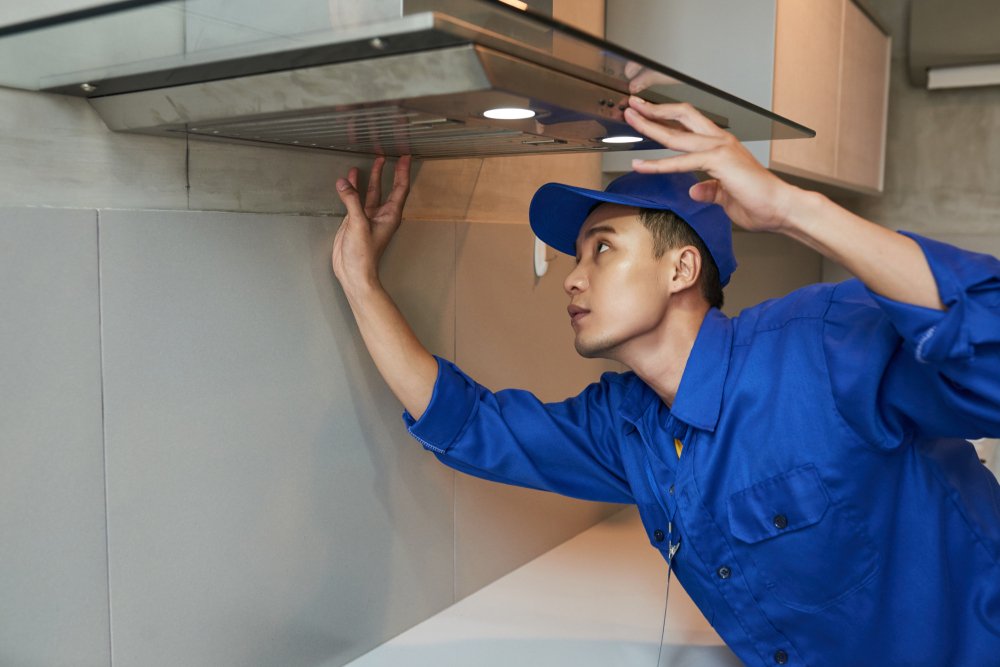
Hidden problems within ductwork systems often go unnoticed until comfort levels drop or energy bills rise unexpectedly. Heating professionals rely on structured inspection methods to uncover these concealed inefficiencies before they escalate into costly repairs. Duct networks can develop leaks, blockages, and pressure inconsistencies that are not immediately visible during routine use. Through careful evaluation, technicians can pinpoint subtle signs of deterioration that affect airflow distribution and system reliability.
Understanding how these issues are detected helps homeowners recognize the importance of regular system assessments and timely intervention to maintain consistent indoor performance and energy efficiency throughout the year.
Core inspection focus areas
- Airflow irregularity checks
Airflow irregularity checks are among the first steps used when assessing ductwork conditions in a building. Technicians observe how air moves through vents in different rooms, comparing expected output with actual performance. Uneven distribution often signals deeper structural concerns within the duct system, such as partial obstructions or poorly sealed joints. Measurements are taken at various points to determine whether air pressure remains consistent across the network. Small inconsistencies may seem insignificant at first, but they can indicate developing faults that reduce overall system efficiency.
Temperature differences between connected spaces also provide clues about underlying airflow disruptions. By examining these variations, technicians can narrow down potential problem areas and decide where further inspection is needed. This process helps create a clearer understanding of system behavior without unnecessarily dismantling large sections of ductwork. This stage is especially important in older buildings where duct layouts may not follow modern efficiency standards or design expectations.
- Pressure imbalance detection
Pressure imbalance detection focuses on identifying air-pressure differences that can disrupt the consistent flow of conditioned air throughout a structure. When certain areas receive more air while others are underserved, it often indicates underlying duct issues such as leaks, blockages, or poorly calibrated equipment. Technicians measure pressure levels using specialized gauges placed at strategic points along the duct network. These readings help reveal whether the system is operating within expected ranges or requires adjustments. A heating contractor often relies on pressure diagnostics to determine whether airflow inefficiencies stem from design flaws or developing damage in the ductwork. Subtle shifts in pressure can significantly affect comfort levels, leading to uneven heating across rooms. Addressing these imbalances early helps prevent strain on heating equipment and supports more stable energy use.
Careful interpretation of pressure data allows for precise identification of problem zones without unnecessary system disruption. This method also assists in planning targeted repairs that minimize downtime and reduce unnecessary material replacement across the system.
- Thermal loss observation
Thermal loss observation involves tracking how heat moves through ductwork and identifying areas where energy escapes before reaching intended rooms. Technicians often use temperature-sensitive tools to compare heat levels at different sections of the system. Significant temperature drops along a duct path may indicate poor insulation, small leaks, or structural weaknesses that allow conditioned air to escape. These losses can increase energy consumption and reduce comfort levels inside the building. By mapping temperature variations, technicians gain insight into how efficiently the system delivers heated air. Even minor irregularities can reveal long-term issues that affect performance.
Observations are typically conducted during active system operation to ensure accurate readings under normal conditions. This method helps pinpoint areas that require further inspection or corrective action. Over time, addressing thermal loss improves energy management and creates more stable indoor environments for occupants across seasons.
- Leak tracing techniques
Leak tracing techniques are essential for locating small openings within ductwork that allow conditioned air to escape into unintended spaces. Technicians may use smoke pencils, pressure testing, or acoustic sensors to detect escaping air along duct joints and seams. These methods help reveal hidden gaps that are not visible during routine visual inspections. Even minor leaks can accumulate into significant energy loss over time, affecting system efficiency and indoor comfort. By systematically evaluating each section of ductwork, technicians can isolate areas where airflow is compromised. Attention is given to connections between duct segments, as these are common points of deterioration.
Once leaks are identified, appropriate sealing or repair methods can be applied to restore proper airflow. This process improves system reliability and reduces unnecessary strain on heating equipment. Consistent leak detection practices also help maintain balanced air distribution throughout the building, ensuring that all rooms receive adequate heating without overworking the system.
- Hidden blockage identification
Hidden blockage identification focuses on detecting obstructions within ductwork that restrict airflow and reduce system performance. These blockages can result from accumulated dust, debris, pest activity, or even collapsed duct sections that are not immediately visible. Technicians often use inspection cameras or airflow measurement tools to locate areas where air movement is significantly reduced. Identifying the exact location of a blockage requires careful comparison of airflow readings across multiple points in the system. Once a restricted section is found, further inspection determines the obstruction’s severity and cause. Removing or clearing these blockages helps restore normal airflow and improve overall heating consistency. In some cases, blockages may indicate larger structural issues that require additional corrective work.
Regular monitoring ensures that such issues are caught before they escalate into major system inefficiencies. This approach supports long-term system stability and helps maintain consistent indoor comfort levels throughout a building.
- Material degradation signs
Material degradation signs refer to the visible and structural changes that occur in ductwork over time due to age, environmental exposure, or continuous use. Technicians look for rust, cracks, loose fittings, or insulation breakdown that can compromise system performance. These signs often develop gradually, making them difficult to detect without careful inspection. Advanced wear can lead to air leakage, reduced efficiency, and inconsistent heating across different rooms. By evaluating the condition of duct materials, technicians can determine whether repair or replacement is necessary. Environmental factors such as humidity and temperature fluctuations can accelerate deterioration, especially in poorly protected systems.
Identifying these signs early helps prevent larger failures that may disrupt the entire heating process. Routine assessments also allow for planning maintenance activities before significant damage occurs. This proactive approach ensures that the ductwork continues to function efficiently and supports reliable heating distribution throughout the building.
Hidden ductwork issues often remain unnoticed until they begin affecting comfort, efficiency, and overall system reliability. Careful inspection methods allow technicians to uncover problems that are not visible during everyday operation. Through airflow analysis, pressure measurement, thermal observation, and other evaluation techniques, underlying faults can be accurately identified and addressed. This structured approach helps maintain consistent heating performance while reducing unnecessary energy loss.
Early detection also prevents minor issues from developing into larger system failures. Regular assessments ensure that duct networks continue to function effectively over time overall.