










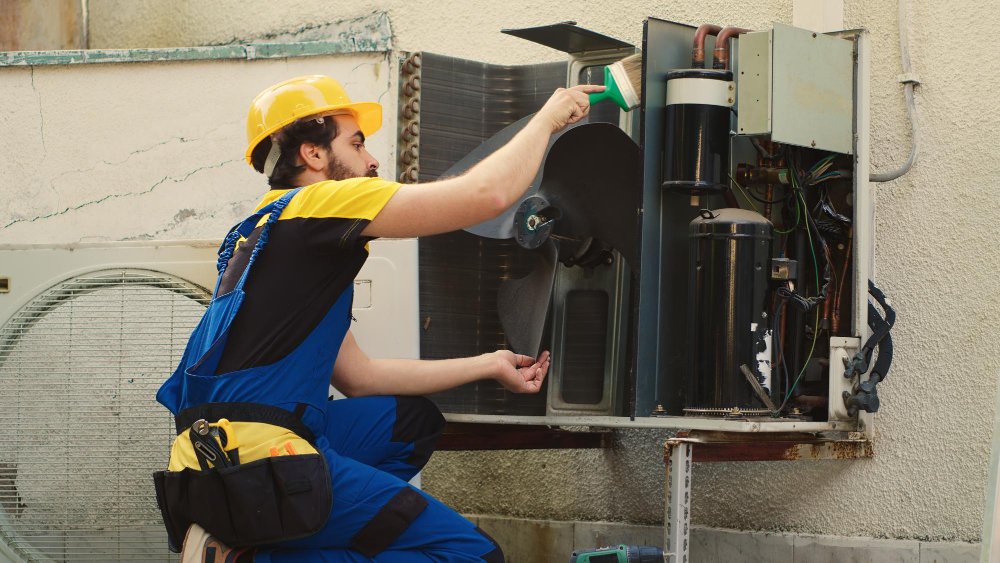
When an air conditioning system starts showing signs of reduced performance, homeowners often wonder whether repair or replacement is the right direction. An air conditioning contractor does not arrive at a replacement recommendation casually. Instead, several technical and practical factors are reviewed to assess the system’s actual condition and whether it still meets the home’s cooling needs.
These evaluations help determine if continued repairs are reasonable or if a full upgrade would be more cost-effective and reliable in the long run. Each assessment focuses on efficiency, safety, comfort, consistency, and system lifespan.
Key Evaluation Areas Before Replacement Decision
- System Age and Overall Performance Decline
One of the first things an air conditioning contractor checks is the system’s age and how its performance has changed over time. Air conditioners typically have a limited operational lifespan, and as they age, internal components begin to lose efficiency even if they are still functioning. The contractor examines how often the system runs, how long it takes to cool the rooms, and whether temperature consistency is still being maintained throughout the home. If the system is constantly running without reaching the set temperature, that is often a sign of internal wear that goes beyond simple repair.
The evaluation also includes checking the compressor condition, fan motor strain, and electrical stability. These elements help form a clearer picture of whether the system is nearing the end of its usable life or still has dependable service for years to come.
- Energy Consumption and Utility Cost Patterns
Another major factor reviewed is the system’s energy consumption relative to its cooling output. A unit that once operated efficiently may gradually require more electricity to produce the same level of comfort. Contractors look at recent utility bills, system runtime patterns, and efficiency ratings to determine whether energy use has become excessive. In many cases, rising energy costs signal that internal components are no longer operating at optimal capacity. This is especially important in regions like Semmes, where seasonal heat demand can place continuous strain on cooling systems.
The contractor compares current energy performance against modern system standards to determine whether upgrading would significantly reduce long-term operating expenses. If the system is consuming far more energy than newer models would under similar conditions, replacement becomes a more practical consideration than ongoing repair cycles.
- Repair Frequency and Component Failure Patterns
Contractors also examine how often the system has required repairs and which components have failed repeatedly. A single repair may not indicate a serious issue, but recurring breakdowns often suggest a deeper structural problem within the system. The technician reviews maintenance history, replacement parts used, and the intervals between service calls. Common trouble areas include capacitors, evaporator coils, contactors, and blower motors. When multiple components begin failing within a short timeframe, it often means the system is under overall mechanical stress.
Even if each repair temporarily restores function, repeated service needs can become costly and disruptive. The contractor uses this pattern analysis to determine whether continued repairs are sustainable or whether the system is reaching a point where replacement would offer greater stability and fewer interruptions to cooling comfort.
- Ductwork Condition and Air Distribution Efficiency
Air conditioning performance is not determined by the unit alone; ductwork plays a major role in how effectively cool air is distributed throughout the home. Contractors inspect ducts for leaks, blockages, poor insulation, and design limitations that may be affecting airflow. Even a functioning system can appear weak if air is escaping before reaching its intended rooms. Uneven cooling, hot spots, and weak airflow from vents are common indicators of duct-related issues. In some cases, the system may be overworking itself to compensate for these inefficiencies, leading to unnecessary strain.
The contractor evaluates whether duct repairs could restore proper performance or if the existing system is incompatible with the home’s airflow needs. When duct inefficiencies are combined with an aging unit, replacement may become a more balanced solution than trying to fix isolated issues.
- Refrigerant Type and Regulatory Considerations
The type of refrigerant used in an air conditioning system is another important factor in replacement decisions. Older systems may rely on refrigerants that are no longer widely supported or are being phased out due to environmental regulations. Contractors assess whether the system uses outdated refrigerants and whether sourcing replacements has become difficult or expensive. They also check for leaks, as refrigerant loss can significantly reduce cooling efficiency and damage internal components. If a system requires frequent refrigerant recharging, it may indicate deeper structural issues that cannot be easily resolved.
Modern systems are designed to operate with more efficient and environmentally friendly refrigerants, making them more sustainable in the long term. When compliance, availability, and efficiency are considered together, refrigerant-related issues can strongly influence the recommendation to replace the full system.
- Changes in Home Size and Cooling Demand
A contractor also evaluates whether the home’s cooling requirements have changed since the original system was installed. Renovations, room additions, insulation upgrades, or changes in occupancy can all affect the amount of cooling capacity needed. If the system is now undersized or oversized for the current layout, it may struggle to maintain consistent temperatures. An undersized unit will run continuously without achieving comfort, while an oversized one may cycle too frequently, causing uneven cooling and unnecessary wear.
The contractor performs load calculations to determine whether the existing system still matches the home’s current demands. If there is a significant mismatch, replacement may be more appropriate than attempting adjustments or minor upgrades. Proper sizing ensures balanced performance, improved comfort, and reduced strain on system components over time.
- Indoor Comfort, Consistency, and Air Quality Indicators
Beyond mechanical performance, contractors also pay close attention to how comfortable and healthy the indoor environment feels. Inconsistent temperatures between rooms, excessive humidity, or stale air can indicate that the system is no longer functioning effectively. Air quality is also assessed through filter condition, airflow strength, and the presence of dust or allergens circulating through the home. When a system struggles to maintain both temperature and air quality, it often signals declining efficiency across multiple components.
The contractor evaluates whether these issues can be corrected through maintenance or indicate a broader system failure. In many cases, when comfort issues persist despite repeated servicing, replacement is a more reliable way to restore balanced indoor conditions and long-term stability.
An air conditioning contractor follows a structured and detailed process before recommending a system replacement. Each inspection point, from energy usage to ductwork condition and refrigerant status, helps build a complete understanding of the system’s condition. Rather than focusing on a single issue, the overall performance picture determines whether continued repairs make sense or if replacement is the more practical direction.
The goal is to ensure reliable cooling, improved efficiency, and long-term comfort for the home. By carefully evaluating these factors, homeowners can make informed decisions that support both comfort needs and financial planning without unnecessary guesswork.