









Homeowners are paying closer attention to how their heating and cooling systems perform throughout the year. Rising energy demands, changing weather patterns, and the need for reliable indoor comfort have encouraged many households to consider structured maintenance approaches. HVAC maintenance plans provide scheduled inspections, routine servicing, and ongoing care that help systems operate more consistently.
These plans reduce unexpected disruptions and support better performance across seasons. As awareness grows, more people are shifting from reactive repairs to planned upkeep strategies that keep systems running efficiently and safely over time while also helping manage long term household expenses and comfort expectations.
Growing Need for Maintenance Plans
- Predictable Comfort Throughout Seasons
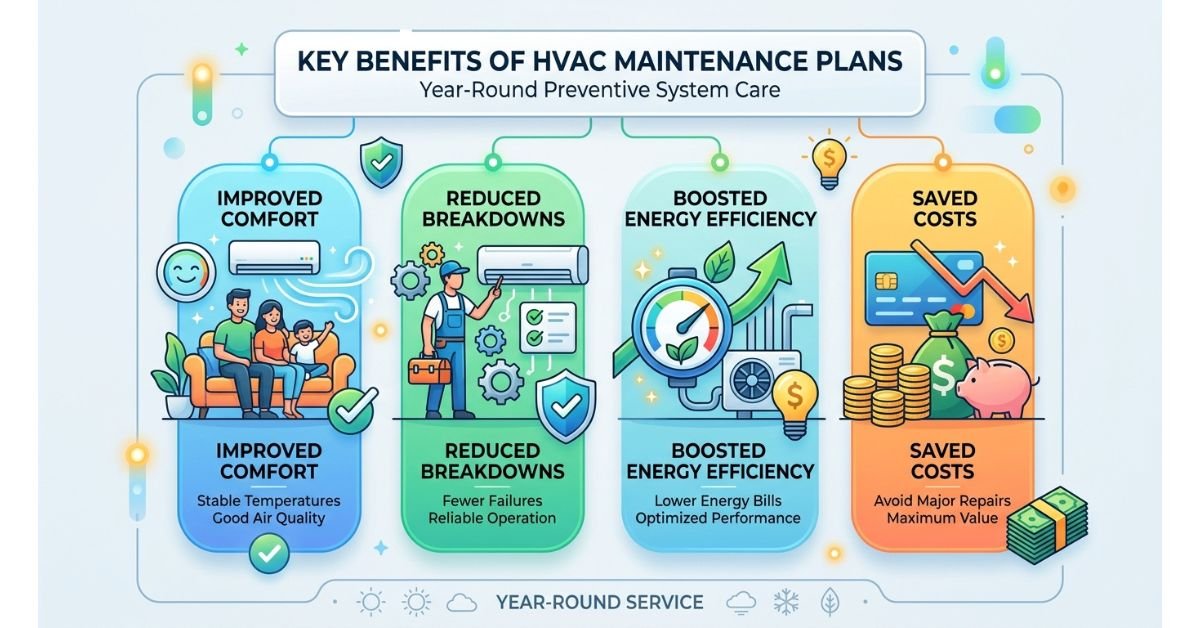
Consistent indoor comfort has become a priority for many households as seasonal temperatures fluctuate more noticeably than in the past. HVAC maintenance plans contribute to this stability by ensuring that systems are checked and adjusted before peak heating or cooling periods arrive. Regular attention to components such as filters, coils, and airflow pathways helps equipment operate with fewer interruptions. This proactive approach helps reduce uneven temperatures in different rooms and supports a more balanced indoor environment. When systems are maintained on a scheduled basis, homeowners are less likely to experience sudden performance drops during extreme weather conditions.
Over time, this structured care creates a dependable living space where comfort is maintained regardless of external changes, allowing daily routines to continue without disruption or discomfort. Families also gain peace of mind knowing that their systems are less likely to fail during critical times especially during peak demand seasons each year.
- Preventing Sudden System Failures
Preventing sudden breakdowns in heating and cooling systems is one of the key reasons homeowners consider ongoing maintenance arrangements. Small issues that go unnoticed, such as worn electrical connections or clogged drainage paths, can gradually develop into major system failures if not addressed early. Routine inspections within maintenance plans help identify these concerns before they escalate, allowing timely corrections that reduce the likelihood of emergency repairs during inconvenient periods. Access to heating services during scheduled visits also ensures that system components receive appropriate adjustments and replacements when needed.
This structured approach reduces stress on homeowners while maintaining consistent system reliability across different usage demands. It also supports early detection of performance inefficiencies that might otherwise increase energy consumption and repair costs over time. Many households find that structured maintenance scheduling helps them avoid inconvenient breakdowns during extreme weather conditions. This adds long term stability and peace of mind. overall reliability.
- Energy Efficiency and Utility Costs
Energy efficiency plays a significant role in how homeowners manage their monthly utility expenses, especially when heating and cooling systems operate frequently throughout the year. Maintenance plans help ensure equipment runs smoothly by keeping internal components clean and properly calibrated, reducing unnecessary strain on the system. When systems operate without obstruction, they require less energy to maintain desired indoor temperatures, resulting in lower overall consumption. This improvement becomes more noticeable during periods of high usage, where unmaintained systems often struggle to perform efficiently. Over time, consistent upkeep reduces energy bills and makes monthly costs more predictable for households.
It also supports environmental considerations by lowering unnecessary energy waste and encouraging responsible consumption habits. As systems become more efficient through maintenance, homeowners experience fewer fluctuations in indoor temperature control. This stability allows better planning of household budgets and consistently reduces unexpected spikes in utility payments over time.
- Extending Equipment Lifespan
One of the most practical benefits of routine maintenance plans is extending the heating and cooling system’s lifespan. Equipment that receives regular attention tends to experience less wear on internal components, reducing the likelihood of early replacement. Maintenance visits often include cleaning, lubrication, and calibration of essential parts, all of which contribute to smoother operation over time. This consistent care reduces strain on motors, fans, and other mechanical elements that typically degrade under continuous heavy use.
As a result, systems can maintain performance levels for longer periods without significant deterioration. Homeowners also benefit from fewer repair events, which helps reduce both inconvenience and long-term replacement expenses. Over time, this proactive care approach supports a more stable and predictable pattern of system performance. It also reduces the likelihood of emergency breakdowns during critical seasonal changes when systems are under heavy demand. Overall system longevity improved over extended periods.
- Indoor Air Quality Considerations
Indoor air quality is closely connected to the condition and maintenance of heating and cooling systems in residential environments. When filters become clogged or ductwork accumulates dust and debris, airflow can be restricted, reducing indoor air freshness. Maintenance plans help ensure that these components are cleaned and inspected regularly, reducing the buildup of contaminants that affect breathing comfort. Consistent servicing also helps maintain proper humidity levels, which can influence overall indoor environmental balance. Air that circulates through well-maintained systems is generally cleaner and more comfortable for occupants over time. Regular inspections in maintenance plans also identify potential issues, such as mold growth or moisture accumulation, before they become serious concerns. This proactive attention contributes to healthier indoor environments and reduces exposure to airborne irritants that may affect well-being. Families often notice improved breathing comfort and reduced allergy symptoms when systems are consistently maintained year-round.
- Financial Planning and Service Agreements
Financial planning plays a significant role in homeowners’ increasing choice of structured maintenance agreements for their heating and cooling systems. Instead of dealing with unpredictable repair bills, many households prefer predictable service schedules that distribute costs more evenly across the year. These agreements often include regular inspections and routine servicing, helping to prevent expensive breakdowns that could strain household budgets. By spreading maintenance costs over time, homeowners gain better control over their financial planning and avoid sudden large expenses. Service agreements also encourage consistent upkeep, which helps systems operate efficiently and reduces the likelihood of costly failures.
Over time, this arrangement supports long-term savings and more stable household budgeting practices. It also reduces stress associated with emergency repairs and unexpected system downtime during critical seasons. Many homeowners appreciate the structured approach to managing essential home systems through ongoing agreements. This provides reliability and smoother financial planning overall across households.
- Home Value and Long-Term Reliability
Home value is increasingly influenced by the condition and reliability of essential systems such as heating and cooling infrastructure. Properties with well-maintained systems tend to attract greater interest from potential buyers who prioritize long-term comfort and reduced future repair concerns. Maintenance plans contribute to this perception by demonstrating consistent care and attention to system performance over time. Well-functioning systems reduce the likelihood of unexpected issues during inspections, which can positively influence property evaluations. This reliability signal often increases buyers’ confidence in homes that require minimal immediate attention after purchase.
Regular maintenance also supports compliance with warranty conditions, helping preserve system coverage and long-term value. Homes that maintain consistent HVAC care often experience fewer structural concerns related to moisture or ventilation issues. This adds to the property’s overall appeal in competitive housing markets, resulting in stronger market positioning, improved buyer confidence, and sustained value.
HVAC maintenance plans continue to gain importance as homeowners seek more reliable and efficient ways to manage indoor comfort systems. These structured arrangements provide consistent care that helps reduce unexpected breakdowns, improve energy use, and support healthier living environments. Over time, regular servicing contributes to system longevity and better financial planning for households managing ongoing expenses.
They also help maintain stable performance during seasonal changes when systems are under greater demand. As awareness increases, more households are adopting preventive approaches that prioritize long-term comfort and efficiency. This shift reflects a growing focus on reliable home system care over time.