










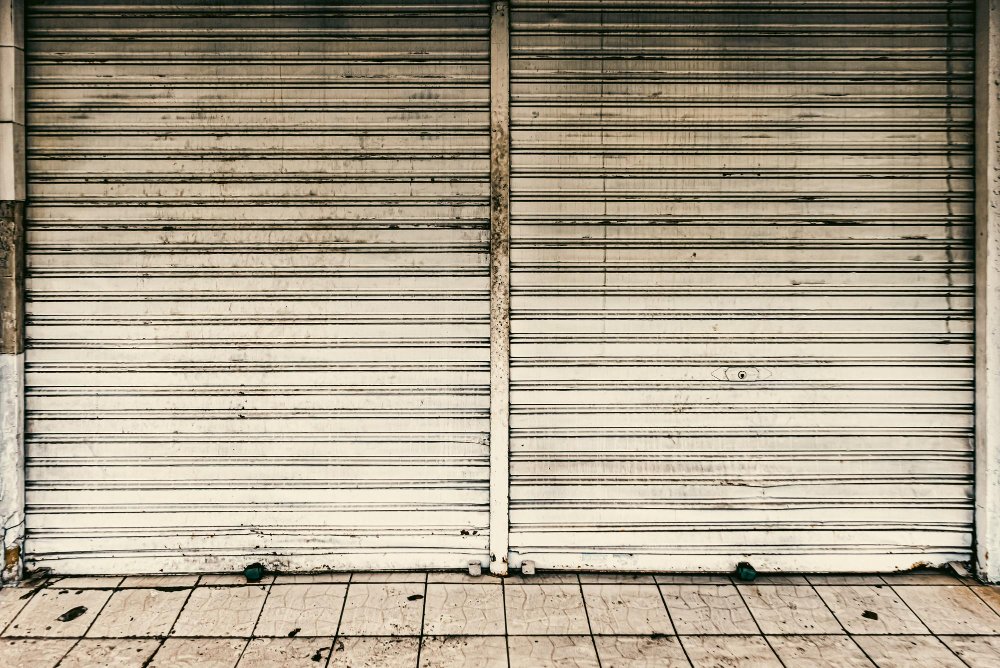
There’s nothing quite like the sinking feeling of pressing your garage door remote and hearing… nothing. Maybe the door groans halfway up and stops. Maybe it slams down faster than it should. Or maybe it just refuses to budge at all, leaving your car trapped inside (or worse, outside in the rain) while you’re already running late.
Garage doors are one of those household fixtures we rarely think about until they stop working. Then suddenly, they’re all we can think about. A malfunctioning garage door isn’t just inconvenient; it’s a security risk, a safety hazard, and often a sign of a bigger mechanical issue waiting to happen.
The good news? Most garage door problems are fixable, and many of them are far simpler to diagnose than homeowners expect. This post walks through the most common issues that send garage doors into early retirement, what causes them, and how professional repair services bring them back to life.
The Telltale Signs Your Garage Door Needs Attention
Garage doors rarely fail without warning. They tend to drop hints first, and catching those hints early can save you from a much bigger (and pricier) problem down the road.
Here are the most common red flags:
- Unusual noises: Grinding, squeaking, or banging sounds during operation usually point to worn rollers, loose hardware, or a failing opener motor.
- Slow or uneven movement: If one side of the door lags behind the other, it’s often a sign of spring imbalance or track misalignment.
- The door won’t open or close fully: This can stem from sensor misalignment, broken cables, or an obstructed track.
- Visible wear on springs or cables: Frayed cables and stretched or rusted springs are ticking time bombs that should never be ignored.
- The door reverses unexpectedly: Modern garage doors have safety sensors that reverse the door if they detect an obstruction. If this happens with no obstruction present, the sensors may be dirty, misaligned, or malfunctioning.
Ignoring these signs doesn’t make them disappear. It just means the eventual repair bill climbs higher, and the chances of a full breakdown (at the worst possible moment) climb right along with it.
Common Garage Door Problems and What Causes Them
Broken or Worn-Out Springs
Garage door springs bear the brunt of the heavy lifting, literally. They counterbalance the weight of the door, which is why a worn or snapped spring can make the door feel impossibly heavy or completely immobile. Springs are also under significant tension, making them one of the most dangerous components to handle without proper training and tools.
Misaligned Tracks
Over time, garage door tracks can shift out of alignment due to accidental bumps, settling of the home’s foundation, or simple wear and tear. A misaligned track causes the door to move unevenly, jam, or even derail entirely.
Faulty Openers
The garage door opener is the brains of the operation, and like any mechanical system, it can wear down. Worn gears, electrical issues, or outdated circuit boards can all cause an opener to stop responding to remote or keypad commands.
Damaged Rollers and Hinges
Rollers and hinges allow the door to move smoothly along its track. When they wear out or become bent, the door’s movement turns jerky, loud, and inconsistent.
Sensor Issues
Safety sensors are designed to stop the door from closing on an obstruction, whether that’s a car, a pet, or a child’s bike. Dirt, misalignment, or wiring problems can cause sensors to malfunction, sometimes preventing the door from closing at all.
Why Professional Repair Beats the DIY Route
It’s tempting to search for a quick fix online and tackle garage door problems yourself. But garage doors are heavier and more mechanically complex than they appear, and the margin for error is slim. A loaded spring alone can cause serious injury if mishandled.
This is where booking a reliable and affordable garage door repair becomes the smarter move for homeowners who value both safety and peace of mind. Trained technicians have the tools, parts, and experience to diagnose the root cause quickly rather than just treating the symptoms. They also know how to spot secondary issues, like a misaligned track that’s quietly wearing down your rollers, before they become bigger (and more expensive) problems.
Professional repair services also tend to come with warranties on parts and labor, something a DIY fix simply can’t offer. If the same issue reappears a few weeks later, you’re covered rather than back at square one.
What to Expect During a Professional Garage Door Repair
A typical service visit usually follows a straightforward process:
- Inspection: The technician examines the door, opener, springs, cables, tracks, and sensors to identify the source of the problem.
- Diagnosis: Once the issue is pinpointed, the technician explains what’s wrong and what it will take to fix it, including parts and estimated time.
- Repair: Using the right tools and replacement parts, the technician performs the repair, whether that’s replacing a spring, realigning a track, or reprogramming an opener.
- Testing: Before wrapping up, the technician tests the door through several open-and-close cycles to confirm everything is operating smoothly and safely.
- Maintenance tips: Many technicians will also offer quick maintenance advice, like lubrication schedules or signs to watch for, to help extend the life of your door.
This kind of thorough, systematic approach is exactly why professional service tends to outlast quick fixes. It doesn’t just patch the immediate problem; it protects against the next one.
How Often Should You Schedule Garage Door Maintenance?
Even a perfectly functioning garage door benefits from regular upkeep. Most experts recommend a professional inspection once a year, with homeowners performing simple visual checks (listening for new noises, checking for visible wear) every few months in between.
Routine maintenance helps catch small issues, like a slightly loose bolt or a bit of rust on a spring, before they turn into full-blown breakdowns. It’s a small investment that pays off by extending the lifespan of your door and avoiding emergency repair calls.
Keep Your Garage Door Working When You Need It Most
A garage door that works reliably isn’t just a convenience; it’s part of what keeps your home secure, your car protected, and your daily routine running smoothly. Whether it’s a worn spring, a stubborn sensor, or a noisy opener, catching problems early and calling in experienced professionals makes all the difference between a quick fix and a costly headache.
If your garage door has been acting up, don’t wait for it to fail completely. Schedule a professional inspection, get the issue diagnosed properly, and get back to taking your garage door for granted, the way it should be.
Frequently Asked Questions
How much does garage door repair typically cost?
Costs vary depending on the issue, ranging from a simple sensor realignment to a full spring replacement. Most homeowners find that addressing problems early keeps repair costs lower than waiting for a complete breakdown.
Can I repair a garage door spring myself?
It’s strongly discouraged. Garage door springs are under high tension and can cause serious injury if handled without proper training and tools. This is a job best left to professionals.
How long does a typical garage door repair take?
Many common repairs, like fixing a sensor or replacing a roller, can be completed within an hour or two. More involved repairs, such as spring replacement or track realignment, may take longer depending on the extent of the damage.
What’s the lifespan of a garage door opener?
With regular maintenance, most garage door openers last between 10 and 15 years before needing replacement.
Is it normal for a garage door to make noise?
A little noise during operation is common, but grinding, banging, or loud squeaking usually signals a mechanical issue that should be checked out sooner rather than later.