










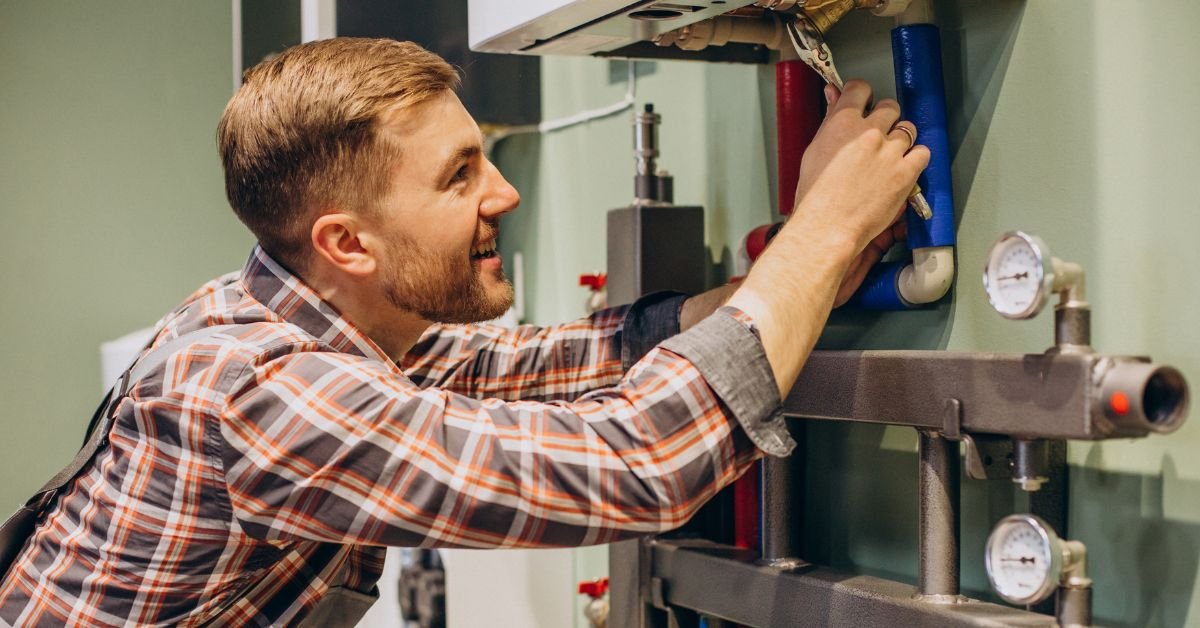
A tankless water heater is a modern water heating system designed to provide hot water on demand without storing it in a large tank. Unlike traditional water heaters that continuously heat and store water in a reservoir, tankless systems heat water instantly as it flows through the unit. This innovative approach has made tankless water heaters increasingly popular in residential and commercial properties due to their energy efficiency, compact size, and ability to deliver a continuous supply of hot water.
As energy costs continue to rise and homeowners seek more efficient solutions, tankless water heaters offer a practical alternative to conventional systems. They eliminate standby heat loss, reduce energy consumption, and provide a consistent flow of hot water for showers, appliances, and daily household needs. However, like any mechanical system, they require proper installation, maintenance, and understanding to perform at their best.
How a Tankless Water Heater Works
A tankless water heater operates on a simple but highly efficient principle: it heats water only when it is needed. When a hot water tap is turned on, cold water flows through a pipe into the unit. Inside the system, either a gas burner or an electric heating element rapidly heats the water as it passes through a heat exchanger.
Because the water is heated instantly, there is no need for a storage tank. This eliminates the energy loss associated with keeping a large volume of water constantly heated. Once the tap is turned off, the system stops heating immediately, conserving energy.
This on-demand heating process allows tankless systems to provide a continuous supply of hot water, as long as the flow rate does not exceed the unit’s capacity.
Types of Tankless Water Heaters
There are two primary types of tankless water heaters: gas-powered and electric models. Each has its own advantages depending on the property’s energy source and hot water demand.
Gas tankless water heaters use natural gas or propane to heat water. These systems are typically more powerful and can handle higher water flow rates, making them suitable for larger households or commercial use. They are often preferred in areas where gas is readily available and cost-effective.
Electric tankless water heaters use electrical heating elements instead of combustion. They are generally more compact and easier to install, making them ideal for smaller homes, apartments, or point-of-use applications. However, they may have limitations in supplying multiple fixtures simultaneously in high-demand situations.
Benefits of Tankless Water Heaters
One of the most significant advantages of tankless water heaters is energy efficiency. Because they only heat water when needed, they eliminate standby energy losses associated with traditional storage tanks. This can lead to noticeable reductions in energy bills over time.
Another major benefit is continuous hot water supply. Unlike tank systems that can run out of hot water, tankless units provide an ongoing flow as long as demand does not exceed capacity. This makes them especially useful for households with multiple bathrooms or high water usage.
Space savings are also an important advantage. Tankless water heaters are compact and wall-mounted, freeing up valuable floor space that would otherwise be occupied by a large storage tank.
Longer lifespan is another benefit. Tankless systems typically last longer than traditional water heaters when properly maintained, often providing reliable service for many years.
Limitations and Challenges of Tankless Systems
Despite their advantages, tankless water heaters also have certain limitations. One common challenge is limited flow rate. If multiple showers, appliances, or fixtures are used simultaneously, the system may struggle to keep up with demand.
Initial installation costs are generally higher compared to traditional water heaters. This includes both the unit price and potential upgrades to gas lines, electrical systems, or ventilation requirements.
Another consideration is that tankless systems may require more complex maintenance, especially in areas with hard water. Mineral buildup inside the heat exchanger can reduce efficiency and performance over time.
In colder climates, incoming water temperatures are lower, which can reduce the speed at which hot water is delivered, particularly in high-demand situations.
Common Problems in Tankless Water Heaters
Like any mechanical system, tankless water heaters can develop issues over time. One common problem is mineral scale buildup. Hard water deposits can accumulate inside the unit, reducing heat transfer efficiency and restricting water flow.
Ignition failure is another issue, particularly in gas-powered systems. This can be caused by gas supply problems, blocked vents, or faulty ignition components.Fluctuating water temperature is also a common complaint. This may occur when demand exceeds system capacity or when internal components are not functioning properly.
Low water pressure can indicate blockages or sediment buildup within the system. Regular flushing is often required to maintain optimal performance.Error codes displayed on digital units are also common and typically indicate specific system malfunctions that require troubleshooting or professional service.
Installation Considerations
Proper installation is critical for ensuring safe and efficient operation of a tankless water heater. The installation process begins with selecting the appropriate unit size based on household hot water demand. This is typically measured in flow rate (gallons per minute) and temperature rise requirements.Gas units require proper venting systems to safely remove combustion gases. This often involves installing stainless steel or PVC vent pipes depending on the model and local regulations.
Electrical systems must also be evaluated for electric tankless heaters, as they often require high amperage circuits that may need electrical panel upgrades.Water line connections must be properly configured to ensure consistent flow and pressure. Incorrect installation can lead to performance issues and reduced system lifespan.
Maintenance Requirements for Tankless Water Heaters
Regular maintenance is essential for keeping tankless water heaters operating efficiently. One of the most important maintenance tasks is descaling or flushing the system. This process removes mineral buildup from the heat exchanger and internal components.
Water filters should also be checked and cleaned regularly to prevent debris from entering the system. In areas with hard water, installing a water softener can significantly reduce scaling issues.
Annual professional inspections are recommended to ensure all components are functioning correctly. This includes checking gas connections, electrical systems, and ventilation pathways.Proper maintenance not only improves efficiency but also extends the lifespan of the unit and prevents unexpected breakdowns.
Energy Efficiency and Environmental Benefits
Tankless water heaters are considered more energy-efficient than traditional storage systems because they eliminate standby heat loss. This means energy is only used when hot water is required, reducing overall consumption.Lower energy usage also contributes to reduced environmental impact. By consuming less fuel or electricity, tankless systems help reduce greenhouse gas emissions associated with water heating.
Some modern units are designed with advanced efficiency features such as modulating burners or smart temperature controls, further optimizing energy usage based on demand.
Comparing Tankless and Traditional Water Heaters
Traditional water heaters store and continuously heat a large volume of water in a tank. While this ensures immediate availability, it also results in energy loss as heat escapes from the tank over time.
Tankless systems, on the other hand, heat water instantly and only when needed. This eliminates standby losses but requires careful sizing to meet peak demand.Traditional systems generally have lower upfront costs but higher long-term energy usage. Tankless systems have higher installation costs but often provide long-term savings through improved efficiency.Selecting the right tankless water heater depends on several factors, including household size, water usage patterns, energy source availability, and budget.
Larger households with multiple bathrooms may require high-capacity gas units to meet simultaneous demand. Smaller households may benefit from compact electric models.
Climate also plays a role, as colder regions require systems capable of handling greater temperature differences between incoming and desired water temperatures.Professional consultation is often recommended to ensure proper sizing and installation for optimal performance.
Conclusion
Tankless water heaters represent a modern and efficient approach to providing hot water on demand. By eliminating the need for storage tanks and heating water only when required, they offer significant energy savings, space efficiency, and continuous hot water supply.
While they require careful installation and regular maintenance, their long-term benefits often outweigh the initial investment. Understanding how they work, their advantages, limitations, and maintenance needs allows homeowners to make informed decisions about upgrading their water heating systems.
Ultimately, a well-installed and properly maintained tankless water heater provides a reliable, energy-efficient solution that enhances comfort, reduces utility costs, and supports a more sustainable approach to household energy use.