








Introduction
Outdoor living spaces have become an essential extension of modern homes and commercial properties. Well-designed patios, walkways, driveways, pool decks, and entertainment areas not only improve functionality but also enhance property value and visual appeal. Among the many hardscaping options available today, pavers remain one of the most popular choices due to their durability, versatility, and attractive appearance. Whether used for residential landscaping or commercial outdoor projects, professionally completed paver installation creates long-lasting surfaces that combine strength, beauty, and practicality.
Pavers offer a unique advantage because they can be arranged in countless patterns, colors, and designs to complement virtually any architectural style. Unlike poured concrete surfaces that may crack over time, pavers provide flexibility and resilience while maintaining an elegant appearance. When properly installed, they create stable surfaces capable of withstanding heavy traffic, changing weather conditions, and years of daily use. Understanding the installation process, material options, maintenance requirements, and long-term benefits helps property owners make informed decisions when planning outdoor improvement projects.
Understanding Paver Systems and Their Purpose
Pavers are individual units made from materials such as concrete, natural stone, brick, or porcelain that are arranged to create durable outdoor surfaces. These units interlock together to form stable structures that can support foot traffic, vehicles, and outdoor furniture while maintaining their appearance over time.
Unlike traditional concrete slabs, pavers are installed as separate pieces over a prepared base system. This construction method allows for natural movement caused by temperature changes and ground shifting without creating large cracks or structural failures. The flexibility of the system contributes significantly to its longevity and durability.
Pavers serve many purposes beyond aesthetics. They improve drainage, reduce erosion, create usable outdoor living areas, and enhance overall property functionality. Their versatility makes them suitable for a wide range of applications, including patios, driveways, walkways, courtyards, fire pit areas, and pool surroundings.
Why Pavers Continue to Grow in Popularity
One of the primary reasons property owners choose pavers is their exceptional combination of beauty and durability. Available in a wide variety of colors, textures, shapes, and patterns, pavers allow for extensive design customization. Homeowners can create traditional, contemporary, rustic, or elegant outdoor environments that complement the overall style of their property.
Durability is another major advantage. High-quality pavers are manufactured to withstand heavy loads, weather exposure, and daily wear. Unlike asphalt or concrete surfaces that may require extensive repairs over time, pavers often maintain their structural integrity for decades when installed correctly.
Ease of maintenance also contributes to their popularity. Individual pavers can be replaced if damaged, eliminating the need to remove and replace entire sections of a surface. This makes repairs simpler, more affordable, and less disruptive.
In addition, pavers often enhance property value by creating attractive outdoor spaces that appeal to potential buyers and visitors alike.
Types of Pavers Used in Outdoor Projects
Several types of pavers are commonly used in landscaping and hardscaping projects. Each material offers unique benefits and design possibilities depending on the project’s requirements.
Concrete pavers are among the most widely used options due to their affordability, durability, and extensive range of colors and styles. They can mimic the appearance of natural stone while offering excellent performance.
Brick pavers provide a timeless and classic appearance that complements traditional architectural styles. Their rich color and distinctive texture make them popular for walkways and patios.
Natural stone pavers offer premium aesthetics and unique variations in color and texture. Materials such as granite, limestone, slate, and travertine create sophisticated outdoor environments while providing excellent durability.
Porcelain pavers are becoming increasingly popular due to their modern appearance, low maintenance requirements, and resistance to stains, moisture, and fading.
Selecting the right material depends on design preferences, budget considerations, environmental conditions, and intended usage.
Planning a Successful Outdoor Hardscape Project
Careful planning is essential for achieving successful results. Before installation begins, property owners should evaluate how the space will be used and identify functional requirements.
Patios designed for entertaining may require larger surface areas and integrated seating features. Driveways must be engineered to support vehicle loads while maintaining structural stability. Walkways should provide safe and comfortable access throughout the property.
Site conditions also play a significant role in project planning. Factors such as drainage patterns, soil conditions, slope, and surrounding landscaping must be considered during the design phase.
Proper planning helps ensure that the finished project meets both aesthetic and functional goals while minimizing future maintenance concerns.
The Importance of Site Preparation
One of the most critical aspects of any paver project is proper site preparation. Even the highest-quality materials can fail prematurely if installed on an inadequate foundation.
The process begins with excavation to remove existing materials and create sufficient depth for the base layers. Soil conditions are evaluated to ensure adequate stability and drainage.
A compacted aggregate base is then installed to provide structural support. This base layer distributes loads evenly and helps prevent settling over time. Proper compaction is essential for long-term performance.
A layer of bedding sand is placed above the aggregate base to create a smooth surface for paver placement. Accurate grading and leveling ensure proper drainage and prevent water accumulation.
Professional installation teams understand the importance of these foundational steps and take great care to ensure long-term stability.
The Paver Installation Process
The actual installation process involves careful placement of individual pavers according to the selected design pattern. Precision is essential to achieve consistent spacing, alignment, and visual appeal.
Once the pavers are positioned, edge restraints are installed to prevent movement and maintain structural integrity. Joint sand is then swept into the spaces between pavers to lock them together and enhance stability.
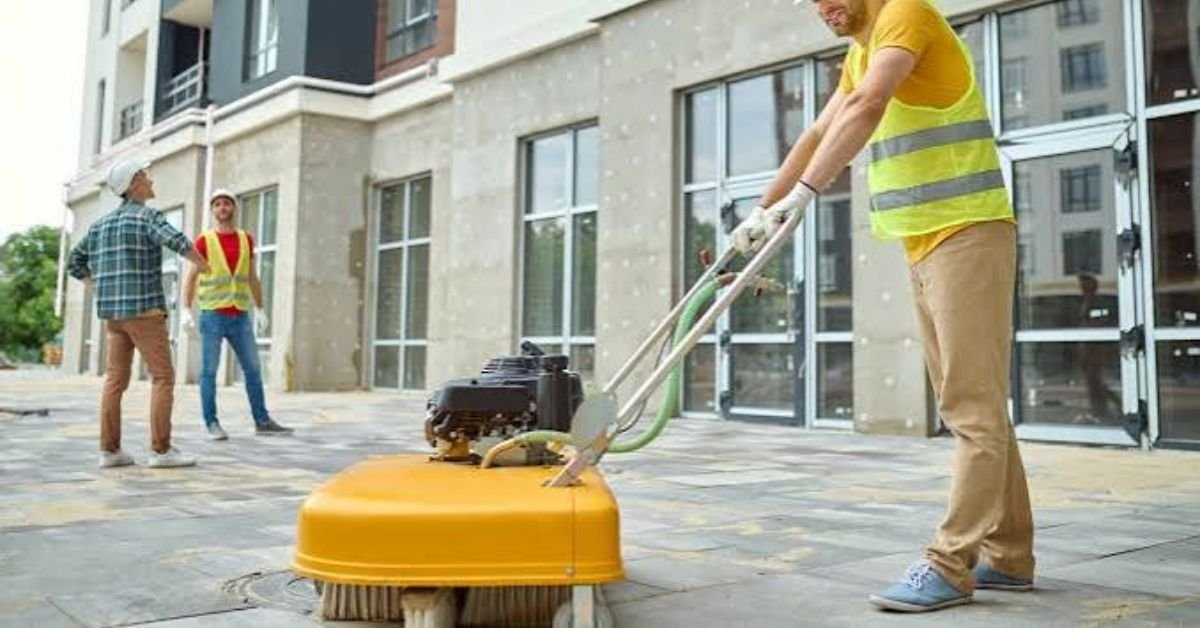
Mechanical compaction helps settle the pavers into the bedding layer while ensuring tight interlocking connections. Additional joint sand may be applied as needed to complete the installation.
For property owners seeking durable and attractive outdoor surfaces, professional paver installation services ensure every phase of the project is completed with precision, creating long-lasting results that enhance both beauty and functionality.
Design Flexibility and Customization Options
One of the most appealing aspects of pavers is the virtually unlimited design flexibility they offer. Different shapes, sizes, colors, and laying patterns allow for unique and customized outdoor spaces.
Popular patterns include herringbone, basket weave, running bond, and circular designs. Borders, accents, and contrasting colors can be incorporated to create visual interest and define specific areas.
Custom layouts allow homeowners to create distinctive outdoor environments that reflect personal style while complementing existing architecture and landscaping features.
This versatility makes pavers suitable for projects ranging from simple garden paths to elaborate outdoor entertainment areas.
Durability and Long-Term Performance
Pavers are specifically engineered to withstand environmental challenges and heavy use. Their interlocking design allows them to distribute weight effectively, reducing the risk of cracking and structural failure.
Weather resistance is another major advantage. Pavers perform well under freezing temperatures, intense sunlight, heavy rainfall, and changing seasonal conditions. Because individual units can move slightly without compromising the overall structure, they are less susceptible to damage caused by ground movement.
Properly installed paver systems often maintain their appearance and functionality for decades with minimal maintenance, making them a cost-effective long-term investment.
Drainage Benefits and Environmental Advantages
Effective drainage is essential for maintaining healthy landscapes and preventing water-related damage. Paver systems naturally support drainage by allowing water to flow through joints and into the underlying base materials.
Permeable paver options further enhance stormwater management by allowing water to infiltrate the ground rather than running off into drainage systems. This helps reduce erosion, minimize flooding risks, and support groundwater recharge.
These environmental benefits make pavers an increasingly attractive choice for sustainable landscape design and responsible property development.
Maintenance Requirements for Paver Surfaces
One of the reasons pavers remain so popular is their relatively low maintenance requirements. Routine cleaning helps preserve appearance and prevent the buildup of dirt, debris, and organic growth.
Sweeping and occasional washing typically keep surfaces looking attractive. Weeds that may appear between joints can be removed easily, and fresh joint sand can be added periodically if necessary.
Sealing pavers provides additional protection against stains, fading, and moisture penetration. While sealing is not always required, it can enhance color and simplify long-term maintenance.
If individual units become damaged, they can often be replaced without disturbing surrounding areas, making repairs efficient and cost-effective.
Enhancing Property Value Through Hardscaping
Well-designed outdoor spaces significantly contribute to overall property value. Attractive patios, driveways, and walkways improve curb appeal while creating functional living areas that enhance daily enjoyment.
Potential buyers often view professionally installed hardscaping as a premium feature because it reflects quality construction and thoughtful property improvement. The visual impact of elegant paver surfaces can create strong first impressions and increase marketability.
In addition to financial value, outdoor improvements contribute to lifestyle benefits by creating spaces for relaxation, entertainment, and family activities.
Common Installation Mistakes to Avoid
While pavers offer exceptional durability, improper installation can lead to performance issues. One common mistake is inadequate excavation or insufficient base preparation. Without a stable foundation, surfaces may settle unevenly over time.
Poor drainage design can also create problems, leading to water accumulation and potential structural damage. Incorrect compaction, improper edge restraint installation, and inconsistent joint filling may affect stability and appearance.
Choosing inexperienced contractors often increases the likelihood of installation errors. Working with skilled professionals helps ensure that the project is completed correctly from the beginning.
Future Trends in Outdoor Hardscaping
The hardscaping industry continues to evolve with new materials, technologies, and design approaches. Sustainable products, permeable paving systems, and environmentally friendly manufacturing methods are becoming increasingly popular.
Smart outdoor living spaces that integrate lighting, heating, and entertainment features are also influencing design trends. Modern paver systems can accommodate these technologies while maintaining aesthetic appeal.
Advancements in manufacturing continue to improve durability, color retention, and design versatility, providing property owners with even more options for creating personalized outdoor environments.
Conclusion
Pavers remain one of the most versatile and durable solutions for enhancing outdoor spaces. Their combination of strength, beauty, flexibility, and low maintenance requirements makes them an excellent choice for patios, driveways, walkways, and numerous other hardscaping applications.
Professional paver installation ensures proper site preparation, structural stability, and long-term performance. From improving drainage and increasing property value to creating inviting outdoor living spaces, pavers offer substantial benefits for homeowners and commercial property owners alike.
By investing in quality materials, thoughtful design, and expert craftsmanship, property owners can enjoy attractive, functional, and long-lasting outdoor surfaces for many years. A professionally completed paver installation project not only enhances curb appeal but also creates durable spaces that add lasting value, beauty, and practicality to any property.