








Introduction
Air conditioning systems have become an essential part of modern homes and commercial buildings, providing consistent indoor comfort regardless of outdoor temperatures. Whether used in residential properties, offices, retail spaces, or industrial facilities, cooling systems help regulate temperature, improve indoor air quality, and create a more comfortable environment for occupants. However, like all mechanical equipment, air conditioners experience wear and tear over time. Continuous operation, environmental exposure, and aging components can gradually reduce efficiency and performance. When these issues arise, timely air conditioning repair becomes critical for maintaining reliable operation and preventing costly system failures.
A modern air conditioning system is made up of several interconnected components that work together to cool indoor spaces. Compressors, evaporator coils, condensers, refrigerant lines, thermostats, fans, and electrical controls all play vital roles in the cooling process. If one component begins to malfunction, the entire system can suffer from reduced efficiency, inconsistent temperatures, and increased energy consumption. Understanding how these systems work and why professional repairs are important can help property owners maximize the lifespan and performance of their HVAC equipment.
Understanding How Air Conditioning Systems Operate
Air conditioning systems function by transferring heat from inside a building to the outdoor environment. This process is achieved through a refrigeration cycle that uses specialized refrigerants to absorb and release heat efficiently. Although the technology behind air conditioning has evolved significantly over the years, the fundamental operating principles remain the same.
The process begins when warm indoor air is drawn into the system through return vents. This air passes over the evaporator coil, where refrigerant absorbs heat and humidity from the air. As the refrigerant captures heat, it changes state and transports that heat to the outdoor condenser unit.
Inside the condenser, the refrigerant releases the collected heat into the outdoor air. The cooled refrigerant then returns to the indoor unit, where the cycle repeats. Meanwhile, fans circulate conditioned air throughout the building to maintain consistent temperatures and comfort levels.
When every component is functioning properly, the system operates efficiently and effectively. However, even minor issues can disrupt this process, resulting in decreased cooling performance and increased energy usage.
Common Causes of Air Conditioning Problems
Air conditioning systems face numerous challenges throughout their operational lifespan. Constant usage, changing weather conditions, and normal wear can all contribute to performance issues. Understanding the most common causes of system failure can help property owners identify problems early and seek professional assistance before major damage occurs.
One of the most frequent issues is restricted airflow caused by dirty air filters. Filters are designed to capture dust, pollen, and airborne particles, but over time they can become clogged. Restricted airflow forces the system to work harder, reducing efficiency and increasing strain on critical components.
Refrigerant leaks are another common problem. When refrigerant levels fall below the required amount, the system loses its ability to cool effectively. Low refrigerant levels can also place additional stress on the compressor, potentially leading to expensive repairs.
Electrical problems can significantly impact system performance as well. Faulty wiring, damaged capacitors, malfunctioning relays, and worn contactors may cause intermittent operation or complete system failure.
Mechanical wear on moving parts such as fan motors, blower assemblies, and compressors can gradually reduce performance. As these components age, they become less efficient and more prone to breakdowns, making routine maintenance and timely repairs increasingly important.
Warning Signs That Your Cooling System Needs Attention
Recognizing early warning signs can prevent small issues from developing into major problems. Air conditioning systems often provide clear indications that something is wrong, allowing property owners to address concerns before a complete breakdown occurs.
One common sign is reduced cooling performance. If indoor temperatures remain higher than desired despite the system running continuously, there may be an issue with airflow, refrigerant levels, or system components.
Unusual noises should also be taken seriously. Grinding, rattling, buzzing, or squealing sounds can indicate mechanical wear, loose components, or electrical issues. These noises rarely resolve on their own and often worsen if ignored.
Weak airflow from vents is another warning sign. Reduced airflow may result from clogged filters, blocked ductwork, failing blower motors, or other system restrictions that require professional evaluation.
Unexpected increases in utility bills can also signal declining system efficiency. When an air conditioner consumes more energy than normal to achieve the same level of cooling, underlying problems are often present.
Unpleasant odors coming from vents may indicate mold growth, electrical issues, or accumulated debris within the system. Addressing these concerns promptly helps maintain both system performance and indoor air quality.
Why Timely Repairs Are Essential
Delaying repairs often leads to more extensive damage and higher overall costs. What begins as a relatively minor issue can quickly affect additional components if left unresolved. Prompt service helps maintain efficiency, reduce operating expenses, and extend equipment lifespan.
For example, a small refrigerant leak may initially cause only a slight reduction in cooling capacity. Over time, however, low refrigerant levels can force the compressor to work harder than intended, potentially leading to compressor failure. Since compressors are among the most expensive HVAC components, addressing leaks early can result in significant savings.
Similarly, restricted airflow caused by dirty filters or blocked coils can increase stress on motors and fans. The longer these issues persist, the greater the risk of component failure and costly repairs.
Investing in professional repair services at the first sign of trouble helps prevent unnecessary damage and ensures that cooling systems continue operating efficiently throughout the year.
The Professional Repair Process
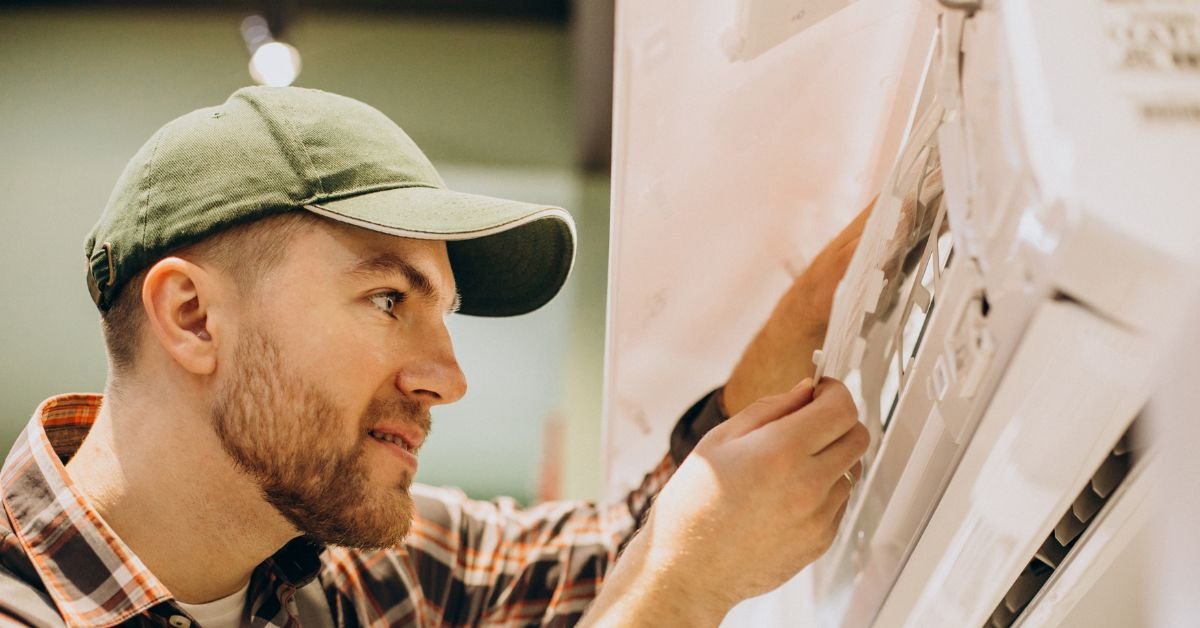
Professional HVAC technicians follow a systematic approach when diagnosing and repairing cooling systems. This process begins with a comprehensive inspection designed to identify both obvious and hidden issues affecting performance.
Technicians typically start by evaluating system operation, checking thermostat settings, and measuring airflow throughout the building. Electrical components are inspected to ensure proper voltage, current, and overall functionality.
Refrigerant levels are measured and compared to manufacturer specifications. If refrigerant loss is detected, technicians locate and repair leaks before recharging the system.
The evaporator and condenser coils are examined for dirt accumulation, corrosion, and physical damage. Dirty coils can significantly reduce efficiency and may require professional cleaning.
Once the source of the problem has been identified, technicians perform the necessary repairs and conduct thorough testing to verify proper operation. This process helps ensure that the system delivers reliable cooling and operates safely after service is completed.
For homeowners and businesses seeking dependable HVAC performance, professional air conditioning repair services provide expert diagnostics, efficient repairs, and long-term solutions designed to maximize comfort and reliability.
Benefits of Regular Maintenance
Preventive maintenance plays a crucial role in reducing repair costs and improving system longevity. Routine inspections allow technicians to identify developing issues before they result in major failures.
Maintenance services typically include cleaning coils, replacing filters, inspecting electrical connections, checking refrigerant levels, and verifying airflow performance. These tasks help maintain system efficiency and reduce unnecessary strain on critical components.
Seasonal maintenance is particularly important before periods of heavy usage. Preparing the system for peak cooling demand helps ensure reliable performance during the hottest months of the year.
Property owners who invest in regular maintenance often experience fewer breakdowns, lower energy bills, and longer equipment lifespans compared to those who neglect routine service.
Energy Efficiency and Cost Savings
Energy efficiency has become a major consideration for property owners seeking to reduce utility expenses. A properly functioning air conditioning system consumes less energy while delivering consistent cooling performance.
When components become dirty, worn, or damaged, the system must work harder to achieve desired temperatures. This increased workload results in higher electricity consumption and greater operational costs.
Professional maintenance and air conditioning repair services help restore efficiency by addressing issues that reduce performance. Clean coils, proper refrigerant levels, unrestricted airflow, and well-maintained components all contribute to lower energy usage.
Improved efficiency not only reduces monthly utility bills but also decreases environmental impact by lowering overall energy consumption.
Indoor Air Quality and System Health
Air conditioning systems do more than cool indoor spaces; they also contribute significantly to indoor air quality. Filters, ventilation systems, and humidity control mechanisms work together to create a healthier indoor environment.
When maintenance is neglected, dust, pollen, mold spores, and other contaminants can accumulate within the system. These pollutants may then circulate throughout the building, affecting occupant comfort and health.
Regular inspections and cleaning help ensure that air conditioning systems continue supporting good indoor air quality. Clean filters, properly functioning coils, and balanced airflow contribute to healthier living and working conditions.
By maintaining both cooling performance and air quality, professional HVAC services provide benefits that extend beyond temperature control alone.
Modern Advancements in Air Conditioning Technology
The HVAC industry continues to evolve through technological innovation. Modern systems are more efficient, reliable, and user-friendly than ever before, offering significant advantages for property owners.
Smart thermostats allow users to monitor and adjust temperatures remotely using mobile devices. These systems can automatically adapt to occupancy patterns, helping reduce energy waste while maintaining comfort.
Variable-speed compressors and inverter technology enable systems to adjust output based on real-time cooling demands. This results in smoother operation, improved efficiency, and reduced wear on equipment.
Advanced diagnostic tools also help technicians identify problems more quickly and accurately. These technologies improve repair efficiency and help ensure that issues are resolved correctly the first time.
As technology continues to advance, cooling systems are becoming increasingly capable of delivering comfort while minimizing energy consumption and environmental impact.
Choosing the Right HVAC Professional
Selecting a qualified HVAC contractor is essential for obtaining reliable service and lasting results. Experienced professionals possess the training, certifications, and technical expertise needed to diagnose and repair complex cooling systems.
A reputable technician follows industry standards, uses proper diagnostic procedures, and prioritizes both safety and performance. They also provide valuable guidance regarding maintenance schedules, efficiency improvements, and long-term equipment care.
Working with trusted professionals helps ensure that repairs are completed correctly and that systems continue operating at peak performance levels.
The Future of Cooling System Services
The future of HVAC services is increasingly focused on automation, sustainability, and predictive maintenance. Smart sensors and artificial intelligence are being integrated into modern systems to monitor performance continuously and identify potential issues before failures occur.
Predictive maintenance technologies can alert property owners when service is needed, helping prevent unexpected breakdowns and reducing repair costs. Improved refrigerants and energy-efficient designs are also contributing to more sustainable cooling solutions.
As these innovations become more widespread, property owners can expect greater reliability, improved efficiency, and enhanced control over indoor comfort systems.
Conclusion
Air conditioning systems are essential for maintaining comfortable, productive, and healthy indoor environments. However, achieving long-term performance requires proper care, regular maintenance, and timely repairs. Understanding how cooling systems operate, recognizing early warning signs, and addressing issues promptly can significantly extend equipment lifespan and improve efficiency.
Professional air conditioning repair services play a vital role in restoring performance, reducing energy consumption, and preventing costly system failures. With routine maintenance, modern technology, and expert support, property owners can enjoy dependable cooling, improved indoor air quality, and long-lasting comfort for many years to come.