









Introduction
Heating, ventilation, and air conditioning systems play a central role in maintaining comfort, air quality, and energy efficiency in residential, commercial, and industrial buildings. Whether it is extreme summer heat or cold winter conditions, a properly functioning HVAC system ensures stable indoor temperatures and healthy airflow throughout the property. However, the performance of these systems depends heavily on how they are installed, maintained, and repaired.
This is where a professional HVAC contractor becomes essential. HVAC systems are complex, involving electrical components, refrigerants, airflow balancing, ductwork design, and energy management systems. Attempting to handle these systems without proper training can lead to inefficiency, higher energy costs, frequent breakdowns, and even safety risks. A skilled contractor brings technical expertise, diagnostic tools, and industry experience to ensure that systems operate at peak performance.As energy efficiency standards continue to rise and building systems become more advanced, the role of HVAC professionals has become more important than ever. Choosing the right contractor can significantly impact comfort levels, monthly utility bills, and the overall lifespan of the equipment.
Understanding the Role of an HVAC Contractor
An HVAC contractor is a trained professional responsible for installing, maintaining, repairing, and optimizing heating and cooling systems. Their work goes beyond simple repairs; it includes system design, load calculations, airflow balancing, and energy efficiency optimization.In modern construction, HVAC systems are not standalone units but integrated systems that interact with insulation, building layout, and environmental conditions. A qualified contractor understands how these elements work together to maintain indoor comfort. They assess a building’s requirements and recommend systems that match its size, usage patterns, and climate conditions.
In addition to installation, HVAC contractors also provide preventive maintenance services. These services help identify issues early, improve system efficiency, and reduce the likelihood of unexpected breakdowns. Regular inspections and servicing can significantly extend the lifespan of HVAC equipment while maintaining consistent performance.
Why Professional Installation Matters
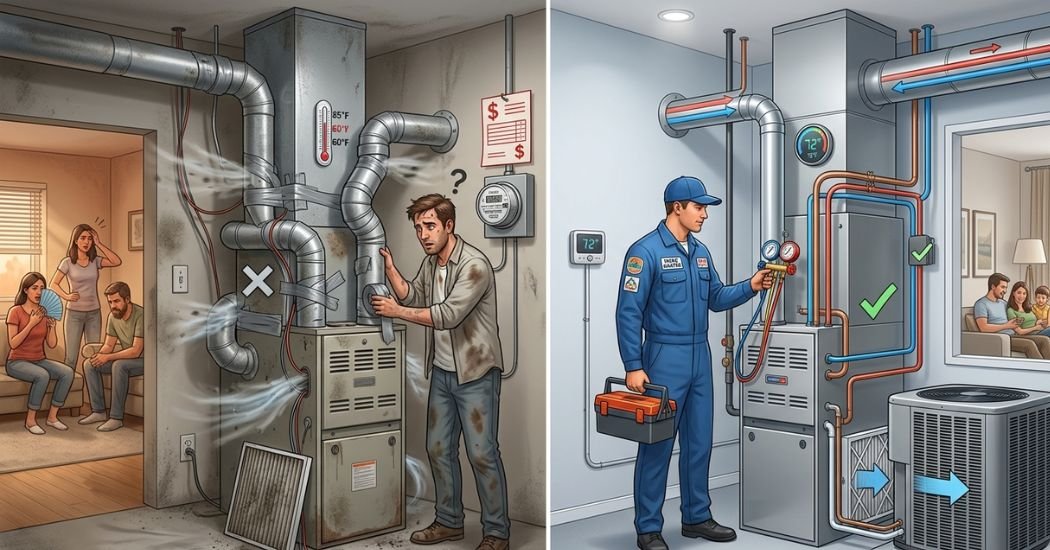
Proper installation is one of the most important factors affecting HVAC system performance. Even high-quality equipment can perform poorly if it is not installed correctly. Incorrect installation can lead to uneven cooling or heating, poor airflow, increased energy consumption, and frequent mechanical issues.
A professional contractor ensures that every component of the system is installed according to manufacturer specifications and industry standards. This includes correct sizing of units, proper refrigerant charging, secure electrical connections, and accurate ductwork installation.System sizing is particularly critical. An oversized system may cycle on and off too frequently, leading to wasted energy and uneven temperatures. An undersized system, on the other hand, may struggle to maintain comfort levels, resulting in constant strain and higher wear and tear. A skilled HVAC contractor performs detailed load calculations to determine the exact capacity required for optimal performance.
Common HVAC Problems That Require Expert Attention
HVAC systems are complex and can develop a wide range of issues over time. Some problems may seem minor at first but can escalate if not addressed promptly.One of the most common issues is poor airflow. This can result from clogged filters, duct blockages, or failing blower motors. Reduced airflow not only affects comfort but also forces the system to work harder, increasing energy consumption.
Another frequent problem is refrigerant leakage. Refrigerant is essential for cooling performance, and even a small leak can significantly reduce system efficiency. Handling refrigerants requires specialized knowledge and certification, making professional repair essential.
Thermostat malfunctions are also common and can lead to inconsistent temperatures or system failure. Modern HVAC systems often rely on advanced digital controls, which require proper calibration and troubleshooting.Unusual noises, such as grinding or rattling, may indicate mechanical wear or loose components. Ignoring these signs can result in more serious damage over time. A trained contractor can quickly diagnose and resolve such issues before they lead to system failure.
Importance of Regular Maintenance
Preventive maintenance is one of the most effective ways to ensure long-term HVAC performance. Regular servicing helps identify small issues before they become expensive repairs and keeps the system operating efficiently.During maintenance visits, HVAC contractors typically inspect key components such as filters, coils, motors, electrical connections, and refrigerant levels. Cleaning and adjusting these parts helps improve airflow, reduce energy consumption, and extend equipment lifespan.
Dirty filters and coils are among the leading causes of reduced efficiency. When airflow is restricted, the system must work harder to maintain desired temperatures, resulting in higher utility bills and increased wear on components.Routine maintenance also improves indoor air quality. Dust, allergens, and pollutants can accumulate in HVAC systems and circulate throughout the building if not properly managed. Regular cleaning ensures healthier air and a more comfortable indoor environment.
Energy Efficiency and Cost Savings
Energy efficiency has become a major priority for property owners due to rising utility costs and environmental concerns. HVAC systems are among the largest energy consumers in most buildings, making efficiency improvements highly valuable.A professional HVAC contractor can recommend upgrades and adjustments that significantly reduce energy usage. This may include installing high-efficiency units, upgrading thermostats to smart controls, improving insulation around ducts, or optimizing airflow distribution.
Proper system calibration also plays a key role in energy savings. When systems are balanced correctly, they do not need to work harder than necessary to maintain comfort levels. This reduces energy consumption and lowers monthly bills.In many cases, investing in professional HVAC services leads to long-term savings that outweigh the initial cost of installation or maintenance.
Indoor Air Quality and Health Benefits
Indoor air quality is directly influenced by HVAC system performance. Poor ventilation and dirty systems can lead to the accumulation of pollutants such as dust, mold spores, and allergens. This can negatively affect health, especially for individuals with respiratory conditions or allergies.
A qualified HVAC contractor ensures proper ventilation design and system cleanliness. They may also recommend air purification systems, humidity control solutions, and advanced filtration technologies to improve air quality.Balanced humidity levels are particularly important. Excess humidity can promote mold growth, while overly dry air can cause discomfort and respiratory irritation. Proper HVAC system design helps maintain optimal indoor humidity levels for comfort and health.
Choosing the Right HVAC Contractor
Selecting the right contractor is essential for achieving reliable HVAC performance. Experience and technical expertise are among the most important factors to consider. Contractors with proven industry experience are more likely to diagnose issues accurately and provide effective solutions.Licensing and certification are also critical. HVAC systems involve electrical work and refrigerants, both of which require specialized training and legal compliance. Hiring a certified professional ensures that work is performed safely and according to regulations.
Customer reviews and references can provide valuable insight into service quality and reliability. Transparent communication is another important factor; a good contractor should clearly explain system issues, repair options, and cost estimates.Warranties and service guarantees also indicate professionalism and confidence in workmanship. Contractors who stand behind their work provide greater peace of mind to property owners.
The Future of HVAC Technology
HVAC systems are evolving rapidly due to advancements in technology and growing demand for energy-efficient solutions. Smart thermostats, automated climate control systems, and IoT-enabled devices are becoming increasingly common in modern buildings.These technologies allow users to monitor and control indoor environments remotely, improving convenience and energy management. HVAC contractors now play a key role in integrating these systems into residential and commercial properties.
Sustainability is also shaping the future of HVAC design. New systems are being developed to reduce environmental impact by using eco-friendly refrigerants and energy-efficient components. These innovations support global efforts to reduce carbon emissions while maintaining indoor comfort.As buildings become more complex and energy standards become stricter, the expertise of a professional HVAC contractor will continue to be essential.
Conclusion
HVAC systems are a critical part of modern living, directly influencing comfort, air quality, and energy consumption. Proper installation, maintenance, and repair are essential for ensuring long-term performance and efficiency.A skilled HVAC contractor provides the technical knowledge and professional expertise required to keep systems operating at their best. From installation to preventive maintenance and energy optimization, their role is essential in maximizing system lifespan and minimizing operational costs.As technology continues to evolve, HVAC systems will become even more advanced, making professional expertise more important than ever. Choosing the right contractor is not just a service decision, it is a long-term investment in comfort, efficiency, and building performance.