










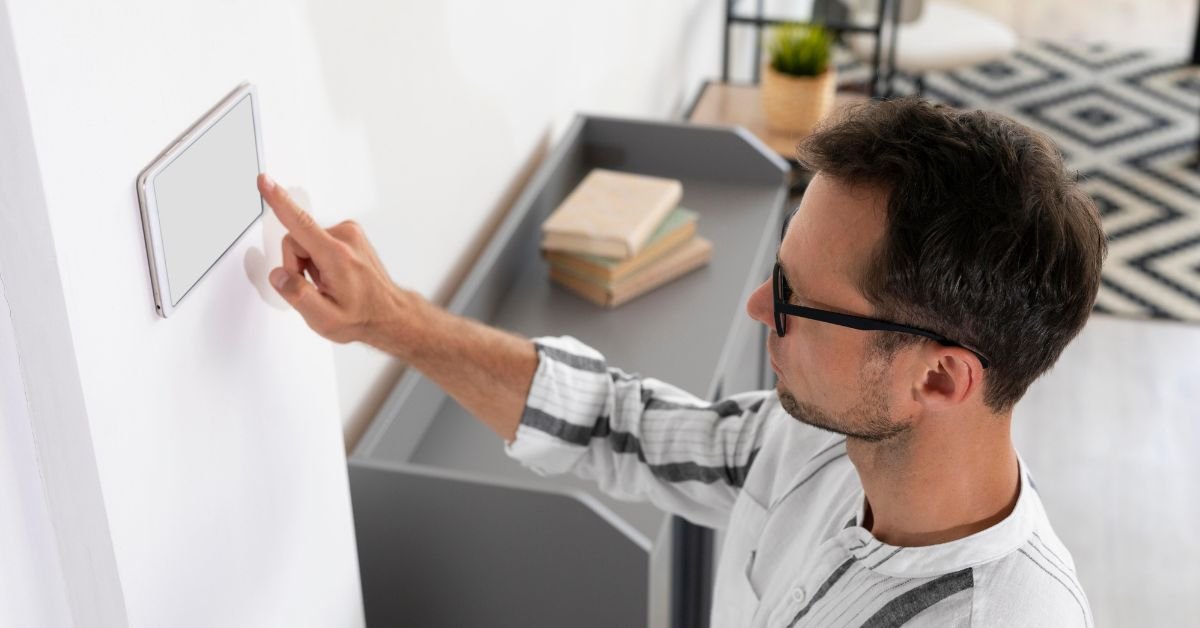
Smart home technology has shifted how heating systems are monitored and maintained, and furnaces are now part of that connected ecosystem. Instead of waiting for visible breakdowns or uncomfortable indoor temperatures, homeowners and technicians can now access continuous performance data through embedded sensors. These sensors track temperature changes, airflow consistency, energy usage patterns, and system cycling behavior in real time. The result is a more responsive maintenance environment where issues are identified earlier and addressed before they escalate into major failures.
This shift is changing how repair work is scheduled and carried out, reducing guesswork and improving response timing. As homes become more digitally connected, furnace systems are no longer isolated mechanical units but active participants in a broader monitoring network that supports smoother operation and longer equipment life.
Sensor-driven furnace repair shift
- Real-time temperature monitoring insights
Smart home sensors have introduced a continuous flow of temperature data that helps identify irregular heating patterns before they become serious problems. Instead of relying on occasional manual checks, systems now provide constant updates that reflect how evenly heat is distributed across different rooms. This makes it easier to detect issues such as uneven heating, delayed warm-up cycles, or sudden drops in performance. When temperature inconsistencies occur, they often indicate underlying furnace strain, blocked vents, or failing components. Technicians can use this information to narrow down problem areas more quickly, reducing time spent on trial-and-error inspections.
Homeowners also benefit by understanding how their heating system behaves throughout the day rather than only noticing problems when discomfort becomes obvious. Over time, this continuous monitoring supports better decision-making on maintenance timing and reduces unnecessary disruptions from unexpected system failures or inefficient heating cycles that go unnoticed for extended periods.
- Predictive alerts from connected sensors
Connected smart sensors have introduced predictive alerts that signal potential furnace issues before a full breakdown occurs. These alerts are generated by analyzing patterns such as frequent short cycling, abnormal energy consumption, or inconsistent ignition behavior. When irregularities are detected, notifications are sent to homeowners or service systems, allowing early intervention. This proactive approach reduces the likelihood of sudden loss of heating during critical conditions. It also improves coordination between users and technicians because problems are reported with contextual data rather than vague symptoms.
In modern maintenance workflows, furnace repair service operations are increasingly guided by sensor-generated insights that allow faster diagnosis and reduced downtime. Instead of responding only after failure, service teams can prepare in advance with a clearer understanding of what may need attention. This shift helps streamline repair visits and reduces repeated service calls caused by incomplete or delayed diagnostics.
- Airflow and pressure detection improvements
Smart sensors embedded within HVAC systems now monitor airflow and pressure variations that were previously difficult to track without manual inspection. These measurements help identify restrictions in ducts, clogged filters, or malfunctioning blower components that reduce furnace efficiency. When airflow becomes inconsistent, the system records changes indicating stress on internal components, enabling early corrective action. Pressure sensors also help determine whether combustion and ventilation processes are functioning safely and efficiently. This level of monitoring reduces the risk of unnoticed performance decline that could lead to larger mechanical issues.
Technicians benefit from access to detailed airflow histories, which makes it easier to identify patterns that contribute to wear and tear. Over time, this information helps maintain balanced air distribution throughout the home, supporting consistent heating performance and reducing strain on furnace components that would otherwise wear out faster under unmanaged airflow.
- Remote diagnostics for technicians
Remote diagnostics have become an important part of modern furnace maintenance, allowing technicians to evaluate system performance without always being physically present at the home. Through connected sensors, data such as ignition cycles, temperature fluctuations, and energy usage patterns can be accessed remotely. This enables quicker identification of issues and helps determine whether an on-site visit is immediately necessary. In many cases, minor faults can be diagnosed and addressed with remote guidance, reducing downtime for homeowners. If physical intervention is required, technicians arrive already informed of the system’s condition, improving efficiency during service visits.
Remote diagnostics also help prioritize urgent cases, especially when multiple homes report issues simultaneously during cold periods. This digital visibility reduces delays and ensures that furnace systems receive attention based on real-time need rather than on scheduled assumptions or delayed reporting from users who notice comfort issues too late.
- Data integration with maintenance systems
The integration of smart sensor data with maintenance platforms has created a more organized approach to furnace care. Instead of isolated readings, performance data is stored and analyzed over time, creating a complete operational history for each system. This allows patterns of wear, efficiency decline, and recurring faults to be identified more accurately. Maintenance schedules can then be adjusted based on actual system behavior rather than fixed time intervals. This approach reduces unnecessary inspections while ensuring that developing issues are not overlooked.
Technicians benefit from structured data that highlights trends such as rising energy consumption or frequent restart cycles. These insights support better planning of repair tasks and replacement needs. Over time, integrated data systems help clarify how environmental conditions, usage habits, and component aging interact to influence furnace performance and long-term reliability.
- Reducing emergency breakdown frequency
One of the most noticeable impacts of smart sensor adoption is the reduction in emergency furnace breakdowns. By continuously monitoring system health, sensors detect early warning signs that often go unnoticed in traditional setups. These warnings allow corrective action before a complete failure occurs, which reduces the number of urgent repair situations during extreme weather. Early detection of issues such as overheating, ignition failure trends, or airflow blockage helps stabilize system performance over time. This proactive approach also reduces stress on furnace components by ensuring they are serviced before reaching critical failure points.
Homeowners experience fewer sudden disruptions, while technicians can manage their workloads more efficiently rather than responding to unpredictable emergency calls. The overall effect is a more stable heating environment in which breakdowns are less frequent, and maintenance becomes more predictable and manageable across seasons.
- Energy efficiency feedback loops
Smart sensors also contribute to energy efficiency by creating feedback loops that adjust furnace operation based on real-time performance data. These systems track how much energy is used during heating cycles and compare it with the temperature output across the home. When inefficiencies are detected, such as excessive cycling or uneven heating, adjustments can be made to improve performance. This continuous feedback helps maintain balanced energy consumption while ensuring comfort levels remain consistent. Over time, these insights reveal how small operational changes can significantly affect overall energy use.
Technicians can also use this data to recommend targeted adjustments during service visits, improving long-term system behavior. By combining monitoring and adaptive control, furnaces operate more smoothly and reduce unnecessary energy waste, creating a more responsive and stable heating environment that aligns system performance with actual household needs.
Smart home sensors are reshaping how furnace systems are maintained, shifting the focus from reactive repairs to continuous monitoring and early intervention. With real-time data guiding decisions, technicians can respond more accurately to developing issues while homeowners gain better visibility into system performance. This connected approach reduces unexpected failures, improves scheduling efficiency, and supports longer equipment lifespan.
As sensor technology continues to advance, furnace systems are becoming more predictable and easier to manage, creating a smoother balance between comfort, reliability, and maintenance planning. The growing integration of digital monitoring tools ensures that heating systems are no longer isolated units but responsive components within a connected home environment, supporting better operational control and reduced disruption over time.