










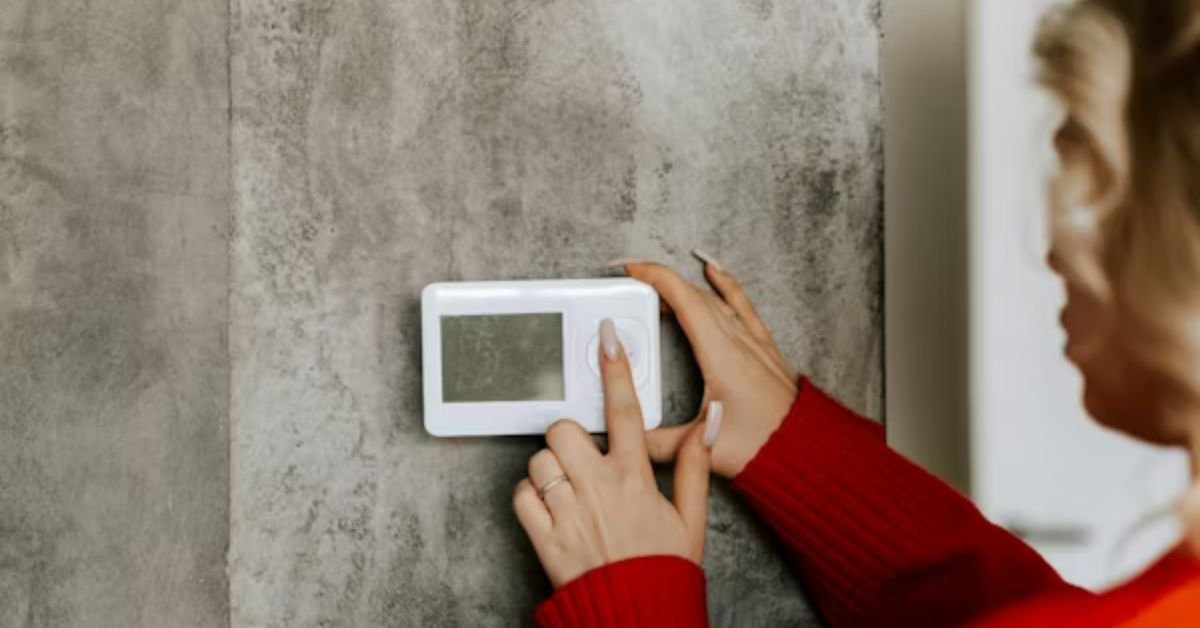
A furnace depends heavily on accurate temperature signals to operate smoothly and maintain consistent indoor comfort. When the thermostat is not properly calibrated, it can send incorrect readings that disrupt heating cycles and cause uneven performance throughout a home. Small calibration errors may seem insignificant, yet they can lead to frequent cycling, temperature swings, or unnecessary strain on furnace components over time. Many homeowners assume furnace problems always originate from the heating unit itself, but the thermostat often plays a central role in triggering these issues.
Recognizing how calibration affects system behavior helps in identifying hidden causes of inefficiency and discomfort. This connection between temperature sensing and heat output control is essential for maintaining stable performance and avoiding repeated disruptions in heating patterns during colder periods.
Understanding Temperature Control and Furnace Behavior
- Thermostat Accuracy and System Response
The way a thermostat interprets room temperature directly influences how a furnace responds during operation. When calibration is accurate, the furnace receives reliable signals that allow it to start and stop at appropriate times, maintaining a balanced indoor environment. However, even a slight deviation in the temperature reading can cause the furnace to run longer than necessary or shut off too early. This imbalance often leads to uneven heating, where some rooms feel warmer while others remain cooler. Over time, such inconsistencies place unnecessary strain on ignition systems, blowers, and heat exchangers.
The furnace may also cycle more frequently, increasing wear and reducing overall system stability. In many cases, homeowners may not realize that the root cause of performance issues lies in a temperature miscommunication rather than a mechanical failure in the furnace itself.
- Calibration Drift and Its Hidden Effects
Thermostat calibration can drift over time due to age, dust accumulation, or internal sensor wear, causing gradual but noticeable changes in furnace performance. A poorly calibrated thermostat may misread room temperature by a few degrees, which is enough to disrupt heating cycles and comfort levels. In one reported case, a household working with Melton Heating and Air Conditioning discovered that inconsistent furnace cycling was linked to thermostat misalignment rather than a failing heating unit. This type of issue often leads to longer heating periods, delayed shutdowns, or repeated short-cycling, which reduces system efficiency.
As the furnace attempts to compensate for inaccurate readings, energy consumption increases, and internal components experience unnecessary stress. Over time, this can shorten the lifespan of key parts, especially those involved in ignition and airflow regulation, making calibration drift a subtle yet impactful issue that affects both comfort and operational reliability.
- Temperature Cycling and Furnace Stress Patterns
When thermostat calibration is off, it often results in irregular temperature cycling, forcing the furnace to operate under inconsistent conditions. Instead of maintaining a steady heating pattern, the system may turn on and off repeatedly within short intervals. This behavior creates additional stress on electrical components and mechanical parts, particularly the blower motor and control board. The furnace struggles to maintain a stable output because it responds to inaccurate signals rather than to actual room conditions. These repeated cycles not only reduce efficiency but also contribute to uneven heat distribution throughout the building.
Over time, the repeated startup demands can lead to premature wear, increasing the likelihood of operational disruptions. Even though the furnace itself may be functioning correctly, miscommunication from the thermostat creates an unnecessary workload that gradually affects overall performance stability.
- Sensor Placement and Environmental Influence
Thermostat calibration is also influenced by where the device is installed and how the surrounding environmental conditions affect its readings. A thermostat placed near windows, vents, or heat-generating appliances may register temperatures that do not accurately reflect the overall room condition. This can cause the furnace to respond to localized heat variations rather than the true ambient temperature. As a result, the system may shut down too early or continue running longer than required. Environmental factors such as direct sunlight or drafts can further distort readings, adding to calibration inconsistencies.
These placement-related issues often go unnoticed but significantly impact furnace efficiency. When the thermostat operates under misleading conditions, the furnace is unable to maintain balanced heating cycles, which affects comfort levels and increases operational unpredictability over time.
- Energy Efficiency Loss from Miscalibration
A thermostat that is not properly calibrated can contribute to noticeable energy efficiency losses within a heating system. When temperature readings are inaccurate, the furnace may run longer than necessary, consuming more energy to reach an incorrectly assumed setpoint. This overcompensation results in higher utility use without improving indoor comfort. In some cases, the system may also shut off prematurely, forcing repeated cycles that waste additional energy during startup phases. These inefficiencies accumulate over time, resulting in increased operational costs and unnecessary strain on furnace components.
Even small calibration errors can have a measurable impact on energy consumption patterns, especially during prolonged cold periods when the furnace operates more frequently. Ensuring accurate thermostat readings helps maintain balanced energy usage and reduces avoidable waste in heating operations.
- Communication Errors Between Thermostat and Furnace
The thermostat and furnace rely on a continuous exchange of signals to regulate heating performance effectively. When calibration is off, this communication becomes unreliable, leading to delayed responses or incorrect activation timing. The furnace may receive signals indicating heating is required even after the desired temperature has already been reached, or it may fail to activate when needed. These miscommunications disrupt the natural rhythm of heating cycles and create discomfort within living spaces. Over time, the furnace may attempt to compensate for inconsistent signals, resulting in erratic operation patterns.
This disconnect between input and response weakens overall system coordination and reduces the furnace’s ability to maintain stable indoor conditions. Proper calibration ensures that both systems work in harmony, supporting consistent temperature control without unnecessary interruptions.
- Long-Term Wear and System Reliability
Extended operation under conditions influenced by thermostat miscalibration can gradually reduce the reliability of furnace components. Frequent cycling, delayed shutdowns, and extended runtime place continuous stress on internal parts, increasing the likelihood of mechanical fatigue. Components such as relays, motors, and ignition systems are particularly affected by irregular operation patterns. As these parts experience repeated strain, their performance declines, potentially leading to unexpected breakdowns. The furnace may also develop secondary issues as it compensates for inconsistent temperature signals, further complicating system behavior.
Over time, what begins as a minor calibration issue can evolve into broader mechanical concerns that affect overall system longevity. Maintaining accurate thermostat settings helps preserve operational stability and reduces unnecessary wear on essential furnace components.
Thermostat calibration plays a central role in determining how effectively a furnace operates within a home environment. When calibration is accurate, the system maintains steady heating cycles, balanced energy usage, and consistent indoor comfort. However, even small deviations can trigger a chain of performance issues, including irregular cycling, energy inefficiency, and increased mechanical stress. These effects often develop gradually, making them difficult to identify without careful attention to system behavior.
Understanding the connection between thermostat accuracy and furnace performance highlights the importance of maintaining proper calibration as part of regular heating system care. By ensuring reliable temperature readings, homeowners can support stable furnace operation and reduce the risk of long-term performance disruptions.