










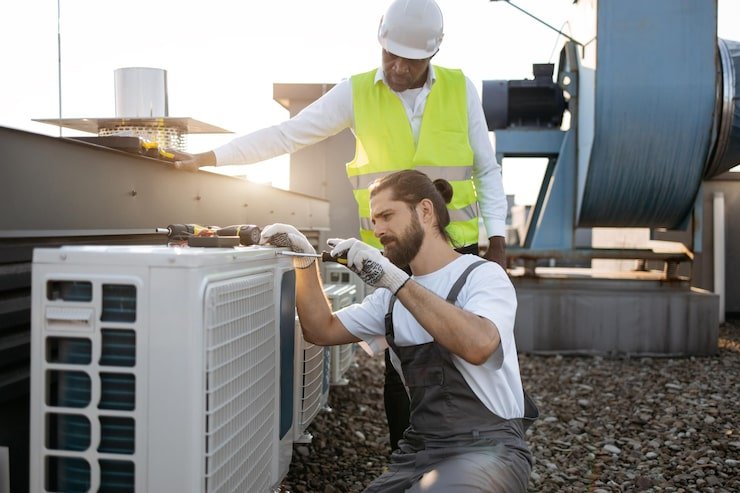
Preparing a home for a new HVAC system installation involves more than simply scheduling a service date. It requires thoughtful organization of indoor and outdoor spaces, awareness of how technicians will move equipment, and a clear understanding of how household routines may be temporarily affected. When a home is properly arranged before installation begins, the entire process tends to move with fewer interruptions and less confusion.
Furniture placement, access to utility areas, and even communication with household members all play a role in ensuring the work proceeds smoothly. Taking time to set expectations and reduce obstacles helps create a more controlled environment where installation tasks can be completed efficiently and with fewer delays.
Next Steps for a Smooth Installation Process
- Clearing Indoor Space for Equipment Movement
One of the most important early steps in preparing for HVAC installation is making sure there is enough open space indoors for technicians to move equipment safely. Large components often need to be carried through hallways, doorways, and sometimes tight corners, so removing unnecessary furniture or décor from these paths is helpful. Creating clear access routes reduces the risk of damage to household items and also helps maintain a steady workflow for the installation crew. In many cases, homeowners overlook how bulky certain system parts can be until the installation day arrives. It is also advisable to temporarily relocate fragile items such as glass décor, wall hangings, and electronics from work zones.
In regions where professional Peoria HVAC installation services are frequently used, homeowners often prepare by mapping out interior pathways in advance to avoid last-minute adjustments. This type of preparation allows the team to focus on technical tasks rather than navigating around obstacles.
- Preparing Electrical and Utility Access Points
Before installation begins, attention should be given to utility access areas such as electrical panels, breaker boxes, and existing ductwork locations. Technicians often need quick and unobstructed access to these systems to safely connect the new HVAC unit. Ensuring that storage items, boxes, or furniture do not block these areas helps prevent unnecessary delays. It is also useful to confirm that pathways to basements, attics, or crawl spaces are clear and safely accessible.
When access points are properly arranged, installation becomes more straightforward and reduces time spent troubleshooting logistical issues. Homeowners may also want to verify that outdoor units have a designated space free from debris or overgrown vegetation. These small but important adjustments help support a more efficient installation process from start to finish.
- Protecting Flooring and Interior Surfaces During Work
During HVAC installation, heavy tools and equipment are often moved through multiple areas of the home, which can place flooring and interior surfaces at risk of scratches or marks. Taking preventive measures by laying down protective coverings, such as drop cloths or cardboard sheets, can help reduce potential damage. This is especially important in homes with hardwood, tile, or recently renovated flooring. Staircases and narrow hallways may require extra attention, as they are common routes for equipment. It is also helpful to secure loose rugs or mats that could shift during the process.
By anticipating movement patterns in their homes, homeowners can better safeguard their living spaces. This preparation step not only preserves the property’s condition but also contributes to a more organized and controlled work environment for everyone involved in the installation process.
- Ensuring Outdoor Installation Space is Accessible
The outdoor area where the HVAC unit will be installed plays a critical role in the overall setup. This space should be cleared of garden tools, furniture, and any stored materials that may interfere with placement or airflow. Overhanging branches or dense vegetation near the installation zone should also be trimmed back to provide sufficient clearance. Proper spacing helps ensure the system operates efficiently once installed and allows technicians to position the unit without obstruction. In addition, pathways leading to the outdoor area should remain open for transporting equipment.
Weather conditions may also affect preparation, so ensuring the ground is stable and dry can support safer installation. A well-prepared outdoor environment contributes significantly to the stability and long-term performance of the HVAC system.
- Coordinating Household Activities During Installation
A smooth installation process often depends on how well household activities are coordinated on the scheduled day. Since technicians may need to move freely throughout the home, it is helpful to plan for reduced foot traffic in work zones. This may involve adjusting routines such as meal preparation, cleaning schedules, or remote work arrangements. Informing all household members in advance helps minimize disruptions and ensures everyone understands which areas are temporarily restricted. Pets should also be kept in a safe and separate space to avoid interference or stress during the installation process.
Good coordination reduces interruptions and allows the installation team to focus fully on completing their tasks efficiently. When household movement is managed properly, the entire experience becomes more structured and less stressful for everyone involved.
- Verifying System Compatibility and Installation Requirements
Before installation begins, it is important to confirm that the new HVAC system is compatible with the existing structure of the home. This includes checking ductwork conditions, ventilation capacity, and available electrical support. Technicians often assess these factors, but homeowners can also benefit from understanding basic requirements ahead of time. Ensuring compatibility helps prevent unexpected adjustments during the installation process and supports better system performance once the unit is operational. It is also useful to discuss placement options and system layout to ensure they align with the home’s design.
When all requirements are properly reviewed beforehand, the installation process becomes more predictable and efficient, reducing the likelihood of mid-project changes that could extend the timeline.
- Managing Noise, Timing, and Communication During Installation
HVAC installation can involve periods of noise and movement throughout the home, so preparing mentally and practically for this aspect is important. Planning for quieter activities during installation hours can help maintain comfort within the household. Clear communication with the installation team is also essential, especially if questions or adjustments arise during the process. Homeowners should feel comfortable discussing timing expectations, progress updates, and any concerns that may develop along the way.
Maintaining open communication helps ensure that the installation stays aligned with the planned schedule. By preparing for temporary disruptions and staying engaged with the process, homeowners can contribute to a more organized and cooperative installation experience.
A well-prepared home sets the foundation for a smoother HVAC installation experience with fewer interruptions and improved efficiency. When indoor and outdoor spaces are organized, access points are clear, and household routines are adjusted in advance, the installation process becomes significantly more manageable. Attention to detail before installation day helps reduce delays and improve coordination between homeowners and technicians. Proper preparation also protects property, enhances safety, and enables the new system to be installed more easily.
By focusing on readiness from multiple angles, homeowners create an environment where the installation process can be completed with clarity and confidence, leading to a more reliable and comfortable indoor climate once the system is operational.