









The way we engage with machines is being revolutionised by fresh advancements in technology, which is happening at a dizzying rate. Asiaks is one of the most fascinating developments in this field. Yet, precisely what are they? From healthcare to finance and beyond, these cutting-edge AI technologies are poised to revolutionise a multitude of areas. The more we learn about Asiaks, the clearer it will become how they work and how they might affect many sectors of our economy and way of life.
It is critical to investigate the differences between these intelligent systems and conventional AI since they are finding many uses in various domains. As we explore their applications and consequences, we will discover the benefits they offer as well as the obstacles that await us. Come along as we explore this fascinating subject; there’s a lot more going on behind the scenes
What are Asiaks?
For AI researchers, Asiaks mark an exciting new chapter. They differ from conventional AI systems in that they aim to imitate human comprehension and interaction. It uses state-of-the-art machine learning techniques to adapt and learn from its environment, unlike traditional algorithms that adhere to predefined rules.
Better processing of natural language by these systems allows for more natural user-computer interaction. What distinguishes them and allows for a more intuitive experience is their capacity to understand context and subtleties.
As a result of their emotional intelligence features, Asiaks can react sympathetically to user stimuli. By making them more versatile, this feature helps people and machines connect on a deeper level.
To put it simply, it opens up fascinating prospects for future advancements in several domains by bridging the gap between technology and human-like cognition.
How Are Asiaks Different from Other Artificial Intelligence Systems?
The exceptional adaptability of Asiaks sets them apart from more conventional AI systems. Asiaks learn and adapt in real-time, in contrast to conventional algorithms that frequently depend on static datasets. They are more able to adapt to changing conditions because of their capacity to absorb new knowledge.
Their capacity for engagement is another distinguishing feature. It interacts with users by using natural language processing that imitates human conversation patterns, as opposed to other AIs that handle questions or commands in a linear fashion. A more natural flow is produced by this.
In addition, Asiaks’ functionality is so versatile that it effortlessly works in several fields. Without requiring specialised programming, they are capable of handling a wide variety of jobs, from simple predictive analytics to in-depth customer care enquiries.
In comparison to more traditional models, which can function as opaque entities, their design places an emphasis on ethics and openness, rendering them more secure options. In addition to encouraging the appropriate use of AI across different sectors, this commitment also boosts confidence among stakeholders and users.
Uses of Asiaks in Various Industries
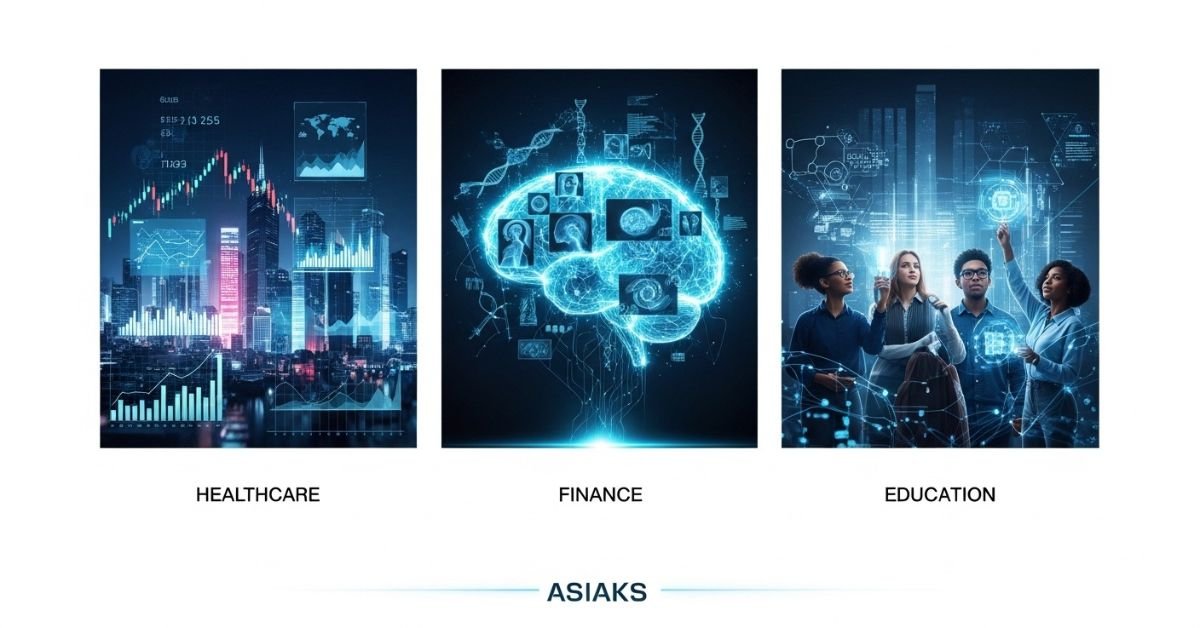
In a variety of fields, Asiaks are making waves. By reviewing patient charts and imaging data, they aid in the medical field’s illness diagnostic process. By detecting issues early, this skill improves patient outcomes.
Asiaks are useful in the financial sector for detecting fraud and assessing risk. These programs can swiftly sift through mountains of transaction data in search of questionable activity.
In the retail sector, it helps to personalise customers’ buying experiences through behaviour prediction. They boost sales and consumer happiness by making product recommendations based on previous purchases.
Improved supply chain management is another area where manufacturing is seeing progress thanks to Asiaks. Businesses can cut costs and improve efficiency by improving their demand forecasts.
Using Asiaks, even the entertainment industry can provide personalised content recommendations, which in turn keeps viewers interested for longer periods of time.
The versatility of Asiaks in improving efficiency and creativity across sectors is demonstrated by these different uses.
The Impact of Asiaks on the Future
When it comes to interacting with technology, Asiaks are about to make a huge splash. They can greatly improve the user experience by blending in with commonplace apps.
It will automate repetitive jobs at work. Instead of being bogged down by mundane tasks, people can use their brainpower to think creatively and critically.
Another area that is ready for change is education. Asiaks enables personalised learning experiences that better meet the needs of each student.
The healthcare industry also has a lot to gain from predictive analytics, since it can improve patient outcomes and streamline medical facility processes.
Additionally, smart city integration of Asiaks may result in better use of available resources. Better traffic management and reduced energy usage might be possible with the use of real-time data analysis.
Their malleability will cause these systems to change industries in ways nobody could have predicted. When we fully utilise the capabilities of Asiaks in all areas, we open up exciting new possibilities for the future.
Advantages and Disadvantages of Using Asiaks
Asiaks have many benefits that can revolutionise whole sectors. Better decisions are made possible by their lightning-fast data processing capabilities. Efficiency gains and cost reductions are good for business. Human resources can be reallocated to more creative pursuits when monotonous jobs are automated.
Nevertheless, you should think about the downsides. Some industries may lose jobs to Asiaks as a result of their dependency on them, which could increase the unemployment rate. Furthermore, smaller enterprises without technical knowledge may find these systems too complex, which might be a barrier.
The possibility of bias in AI algorithms is another concern that, if not addressed, could lead to biased results. This shows how important it is to regulate and oversee the development of Asiaks thoroughly as they find new uses in society.
As organisations negotiate this new technological landscape, it will be necessary to balance the benefits of these tools with risk management.
Ethical Concerns Surrounding
Although Asiaks are novel, there are substantial ethical considerations that must be addressed. Data privacy is a big deal. In order for these systems to work, they frequently need massive volumes of personal data. In the name of convenience, users may unwittingly give up some degree of privacy.
There is also the serious issue of bias in decision-making. Data utilised to teach Asiaks should be free of biases; else, discrimination in hiring and police enforcement could be perpetuated.
Also, there’s the problem of transparency. A large portion of the user base is confused about the reasoning behind these systems’ judgements. People may become suspicious and confused as a result of this lack of transparency.
It would be irresponsible to disregard the possibility of job loss either. There may be fewer job openings or higher unemployment rates in some sectors as a consequence of it taking over jobs that were previously filled by humans.
Matters are further complicated by ethical considerations pertaining to responsibility. In the event that an Asiak hurts someone or makes a mistake, who is to blame? In order to solve these problems, developers, politicians, and the general public must all work together.
Conclusion
New opportunities in artificial intelligence are being opened up by Asiaks. They are a captivating subject of study and application across numerous industries due to their unique characteristics, which set them apart from typical AI systems. The potential applications of Asiaks are practically endless, ranging from bettering customer service to streamlining production operations.
These systems will have far-reaching consequences for our future. Their societal roles will change in tandem with the development of new technologies. The benefits of implementing Asiaks, such improved efficiency and cost savings, are obvious, but it’s important to weigh those benefits against any possible downsides.
As we continue to incorporate Asiaks into our daily lives, there are still major ethical problems regarding privacy and employment displacement that must be addressed. Encouraging responsible use requires a debate about these issues.
The future of Asiak development and use can be better guided by an awareness of their advantages and disadvantages. Adopting this technology with caution might lead to novel answers while reducing societal harm.
You May Like : URLwo Explained: Clean Links, SEO & Digital Power